
Tech Allies Silent After 2026 Blue Wave While Elon Musk Faces Record Midterm Losses
Silicon Valley is navigating a stark political shift following the 2026 midterm elections, according to reporting from Fast Company. While Democratic donors are celebrating sweeping victories, prominent tech figures who previously supported Republican causes have largely remained silent, a sharp contrast to their vocal engagement during the 2024 presidential cycle.
Context from Industry Pulse
The 2026 midterm results highlight a volatile period for Silicon Valley's political influence. Musk’s record-breaking 474 million dollar expenditure failed to secure wins in key regions like Texas, signaling that massive capital injections do not guaranteed legislative alignment. Simultaneously, the widespread rejection of data center construction measures across 41 local votes presents a significant hurdle for the AI industry. Companies like OpenAI are now forced to pivot their strategy, announcing self-funded infrastructure and community impact reports to mitigate public and regulatory friction. This shift suggests that while tech leaders have increased their political spending, they face growing local resistance to the physical expansion required for AI development.
Elon Musk emerged as a primary financial backer for Republican candidates during the 2026 midterms, setting a new record with roughly 474 million dollars in spending. As Fast Company reports, this figure exceeded the next-largest donors by approximately 300 million dollars. Despite this massive investment, the election resulted in a blue wave that left Musk with few victories to show for his capital. The impact was particularly visible in Texas, where he directed nearly half of his nationwide donations toward losing candidates.
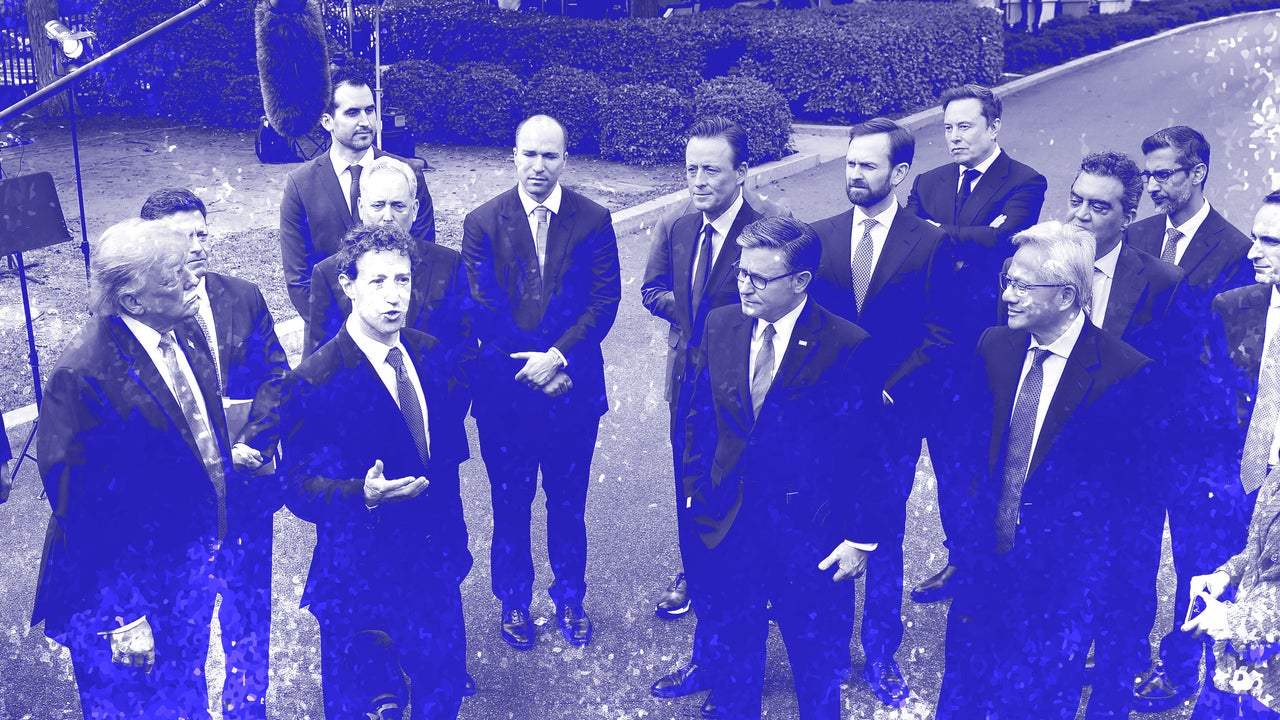
Following the results, Musk used his social media platform to mock the outcome before deleting a post that urged voters to support Republican candidates. Fast Company notes that other major tech leaders who previously donated to Donald Trump, including the chief executives of Meta, Alphabet, and Nvidia, have not issued public statements regarding the Democratic sweep. This reticence differs from the immediate congratulations these leaders offered following the 2024 presidential election.
While political commentary remains muted among some executives, the industry is addressing the practical implications of the vote for infrastructure projects. Fast Company observes that voters rejected local measures for data center construction in 40 out of 41 instances. In response, OpenAI leadership stated the company would continue to pursue data center investments to meet customer demand while introducing a new initiative aimed at easing community concerns regarding resource protection and local economic impact.
In contrast to the silence from the right, Democratic supporters in the tech sector have been vocal about the results. Reid Hoffman, who contributed millions to successful campaigns in Texas and Wisconsin, interpreted the outcome as a demand for a different economic direction. Other industry figures, such as leadership from Blockchain, suggested the results represent a win for pragmatism and could lead to a more favorable environment for cryptocurrency in the next Congress.
The Industry Pulse Bottom Line
The 2026 midterms demonstrate that massive political spending by tech billionaires cannot overcome localized resistance to AI infrastructure or broader shifts in voter sentiment across previously reliable regions.