
Nvidia Faces Leadership Vacuum Following Sudden Ouster of Longtime CEO Jensen Huang
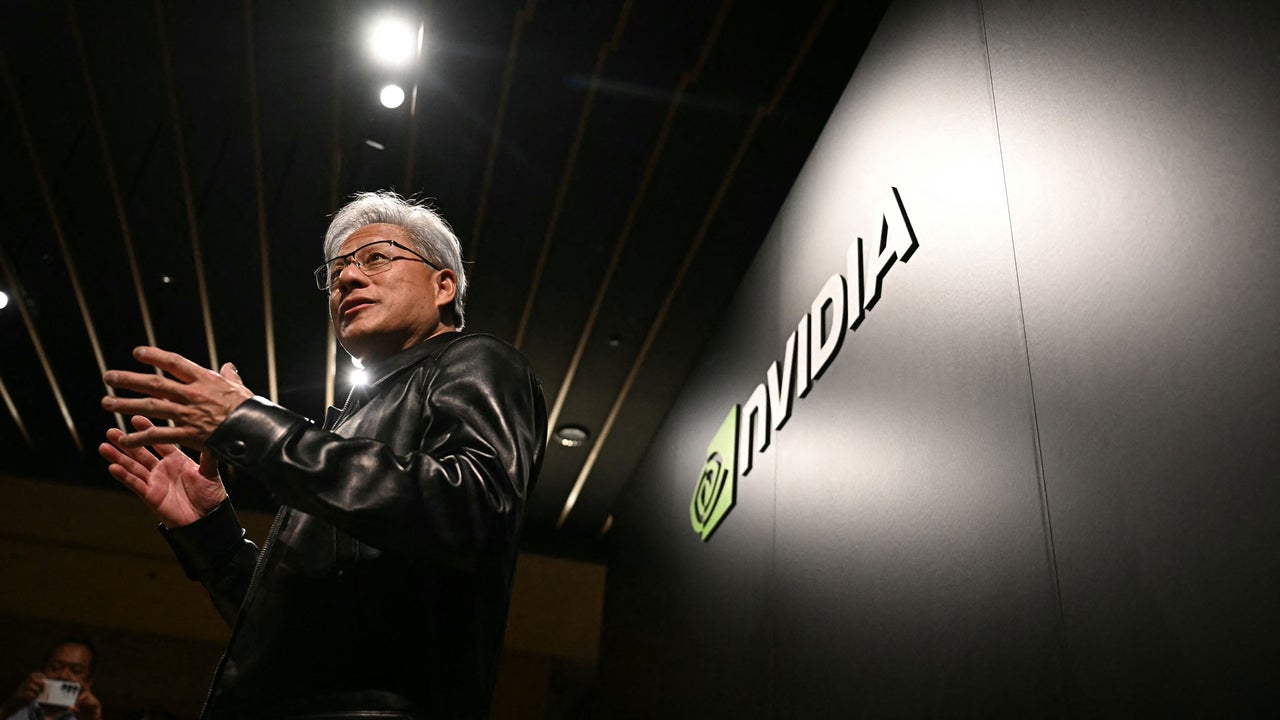
Nvidia founder Jensen Huang was removed from his position on November 12 following reports of successive romance scandals, according to Fast Company. The company's chief financial officer has assumed the role of interim CEO as the tech giant begins the difficult process of finding a permanent successor capable of managing complex geopolitical and supply chain relationships.
Context from Industry Pulse
The removal of Jensen Huang creates immediate uncertainty for Nvidia, as he lacked a clear successor due to his unique involvement in both high-level strategy and granular technical details. His downfall, triggered by a relationship with the CEO of Megaspeed, highlights the increasing scrutiny of executive conduct even for founders with legendary status. The interim leadership by the CFO follows previous internal friction where Huang reportedly described her as a deer in the headlights. Now, the company must stabilize its relationship with Taiwanese suppliers like TSMC and manage the political expectations of the U.S. government, which remains focused on maintaining a lead in the semiconductor race against China.
The departure of Jensen Huang marks the end of an era for the chipmaker he founded in 1993. As Fast Company reports, Huang was known for a hands-on leadership style and a flat organizational structure that left few deputies prepared to step into his shoes. His removal followed allegations regarding a relationship with the head of a Chinese technology firm, a situation that eventually led to his defenestration despite his decades of success in building one of the most valuable companies in the world.
Finding a permanent replacement presents significant challenges due to the specific skill set Huang developed. According to Fast Company, the former executive was uniquely positioned to navigate the friction between the United States and China. Born in Taiwan, Huang maintained a status that allowed him to influence tech policy in the White House while remaining a respected figure in Asia. He successfully advocated for selling older generation hardware to China, a strategy that satisfied security concerns in the West while maintaining market access.
Beyond policy, Huang was noted for his personal involvement with the Taiwanese vendors that form the backbone of the global AI supply chain. Fast Company details how he utilized a concept of loyalty to secure aggressive production schedules through personal appearances and social engagements with suppliers. This deep integration into the day-to-day operations of the firm distinguishes him from typical corporate leaders and makes the transition to a new executive particularly volatile.
While the current administration has expressed support for Huang even after his departure, the search for a new leader continues. Fast Company indicates that potential candidates will need to replicate Huang's ability to act as both a technical expert and a public pitchman for artificial intelligence. The transition comes at a time when the company must maintain its lead in the AI race while managing the delicate balance of international manufacturing dependencies.
The Industry Pulse Bottom Line
Nvidia must now find a leader who can balance technical depth with the diplomatic finesse required to manage a global supply chain caught in the middle of U.S.-China trade tensions.