
Smart Home ROI: Ranking the Best and Worst Devices for Utility Savings
Selecting the right smart home technology depends more on financial return than futuristic features. According to Fast Company, utility-saving hardware like thermostats and leak sensors can pay for themselves within two years, while high-end gadgets such as touchscreen refrigerators and motorized blinds offer negligible savings compared to their significant upfront costs.
Context from Industry Pulse
The distinction between smart home value and waste often hinges on the longevity of the hardware versus its software. Fast Company highlights that integrated computers in appliances like refrigerators typically stop receiving updates after five years, while the mechanical components are designed to last fifteen. This technological gap turns expensive features into liabilities. Furthermore, the market for micro-appliances with app connectivity often introduces security risks and higher repair rates without solving actual household problems. Successful automation focuses on high-impact systems like HVAC and irrigation, where hyperlocal data and automated sensors directly translate to lower monthly utility bills and reduced insurance premiums.
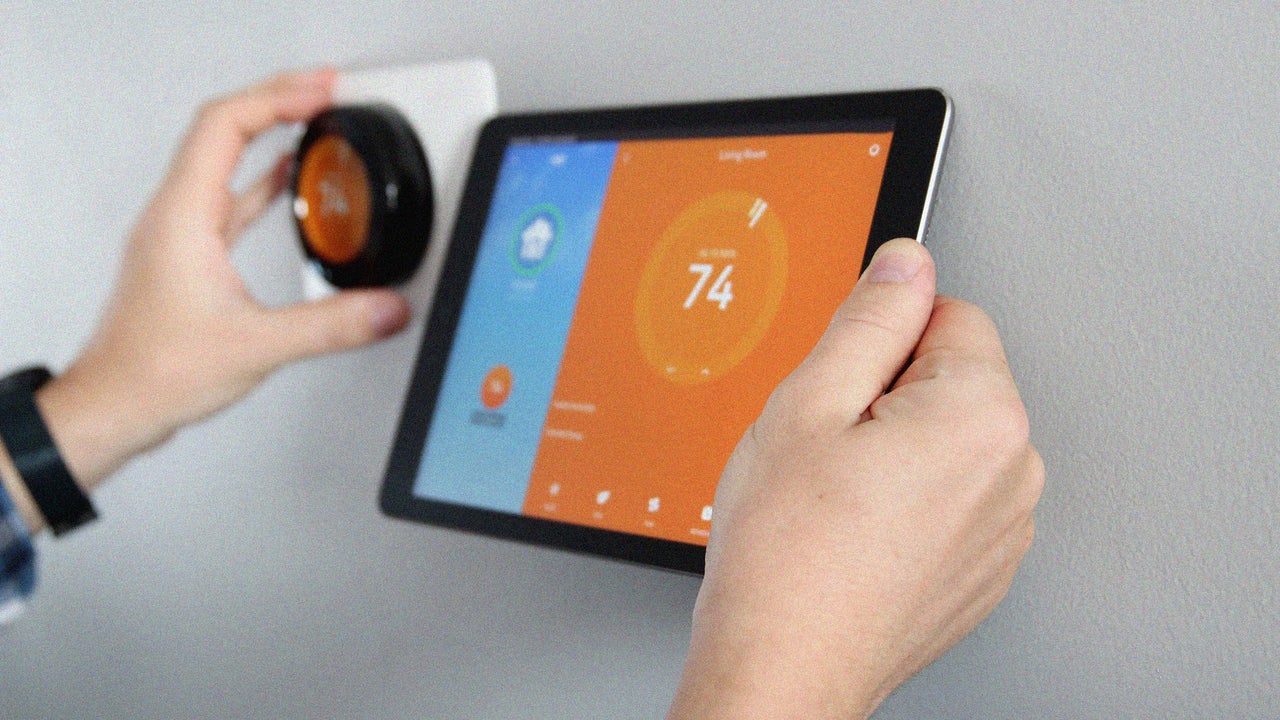
Effective smart home investments prioritize energy efficiency and disaster prevention over novelty. Fast Company reports that smart thermostats are among the most effective upgrades because heating and cooling represent over half of typical residential energy use. By utilizing motion sensors and geofencing to adjust temperature when residents are away, these devices generally reduce heating costs by 10 percent and cooling costs by 15 percent. Additionally, many utility providers offer rebates that further lower the initial cost of installation.
Water conservation and damage prevention also offer significant returns. Traditional irrigation timers often operate regardless of weather, but connected controllers sync with local forecasts to skip cycles during rain or wind. Fast Company notes that this can cut outdoor water usage by half. Inside the home, inexpensive leak sensors can prevent damage claims that average over 10,000 dollars by alerting owners to slow drips before they cause structural rot or mold. Some insurance companies even provide policy discounts for homes equipped with these connected detection systems.
Managing electricity draw is another area for potential savings. Smart plugs with energy monitoring allow users to identify devices pulling phantom power while turned off. Setting schedules to completely sever power to home offices or media centers overnight reduces idle electricity expenses. For lighting, Fast Company recommends smart wall switches over individual bulbs. These switches ensure lights in high-traffic zones turn off automatically and remain functional even if a physical switch is toggled, providing a more cost-effective solution than expensive smart bulbs.
Conversely, several popular smart gadgets fail to provide a financial return. Touchscreen refrigerators often cost up to 2,000 dollars extra for software that may become obsolete long before the appliance itself fails. Similarly, motorized blinds carry high installation costs that would take over a century to recoup through minor solar heat gains. Smaller connected devices, such as Wi-Fi-enabled trash cans or soap dispensers, are frequently cited as unnecessary additions that increase retail prices without offering efficiency gains.
The Industry Pulse Bottom Line
Smart home buyers should prioritize sensors and switches that automate resource management. Avoiding over-engineered appliances with integrated screens ensures that technology remains an asset rather than an expensive, unrepairable liability.