
Lewis Hamilton Signals F1 Longevity Aims Ahead Of Proposed Rwanda Expansion
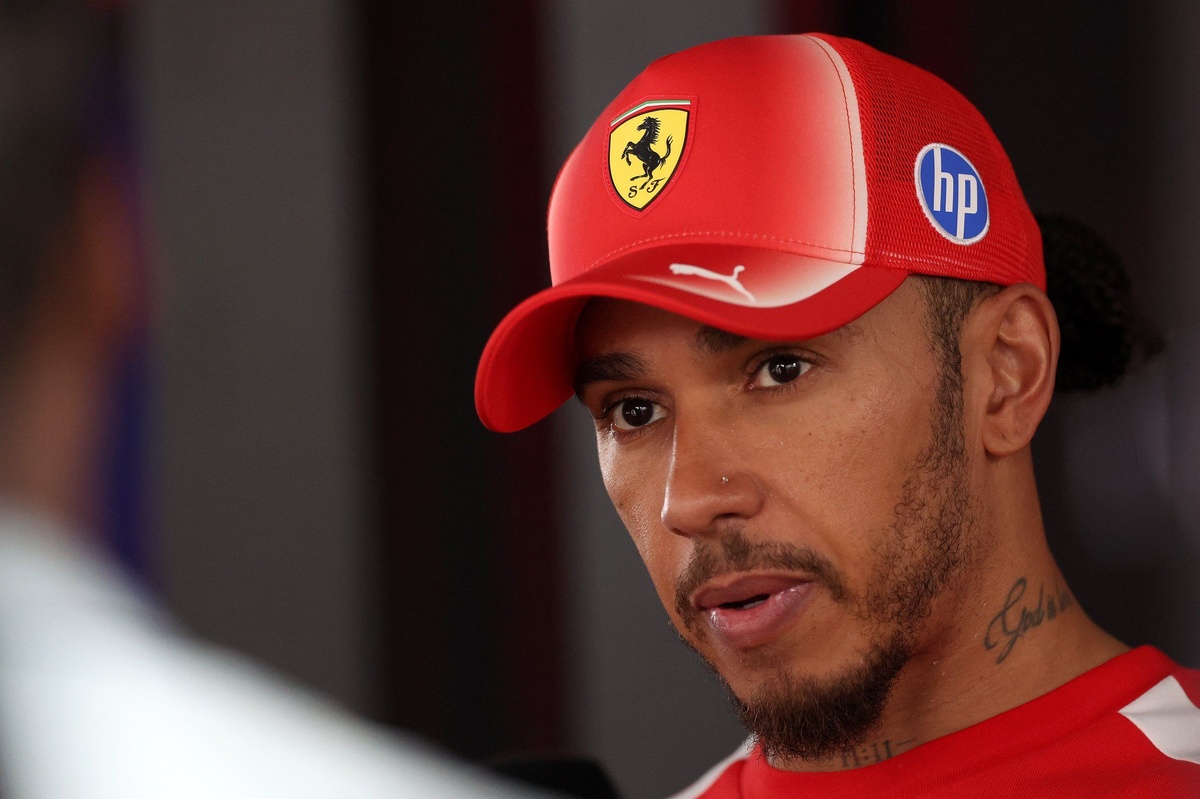
According to reporting from Formula 1 (Autosport), seven-time world champion Lewis Hamilton intends to remain on the grid as long as his physical performance holds up. The veteran driver specifically addressed his interest in competing in the newly proposed African Grand Prix, which could join the calendar in Rwanda as early as 2030.
Context from Industry Pulse
Hamilton’s defiance of traditional career timelines mirrors a broader trend in professional athletics where elite performers are extending their commercial and competitive windows. While other sports deal with high-stakes financial shifts, such as the WNBA reaching its first Game 7 or massive valuation spikes in NBA ownership stakes, F1 is banking on its veteran stars to anchor new market entries. Hamilton and Fernando Alonso are proving that modern training can offset the physical decline that once forced retirements in their late thirties. As F1 eyes Rwanda for a 2030 debut, the series relies on these established icons to provide the star power necessary to justify massive infrastructure investments in emerging territories.
Lewis Hamilton intends to continue his career in Formula 1 for the foreseeable future as long as he remains competitive, according to Formula 1 (Autosport). The seven-time champion addressed his longevity in light of the series announcing a potential African Grand Prix in Rwanda, which is targeted for 2030 at the earliest. To participate in that event, Hamilton would need to remain active in the sport into his mid-40s.
Addressing concerns regarding age-related decline, Hamilton noted that he feels uniquely equipped to handle the physical and mental demands of the sport despite being 41 years old. As Formula 1 (Autosport) reports, he dismissed common assumptions about slowing reaction times, claiming his own reflexes remain superior to some of the youngest drivers currently on the grid. He emphasized that he possesses the tools and discipline necessary to maintain his mental sharpness through continued sacrifice.
Hamilton clarified that his presence in the sport is contingent on his ability to fight for wins and championships. According to Formula 1 (Autosport), he has no desire to remain in the series if his performance levels drop significantly. While he cannot predict his motivations four years from now, he remains fully committed to his current role and believes he has already disproven critics who questioned his pace during the previous season.
The veteran driver is not the only athlete challenging age norms in the paddock. Formula 1 (Autosport) highlights that 45-year-old Fernando Alonso is currently under contract through 2027, providing a contemporary precedent for racing at a high level late in a career. Alonso recently criticized the standards of younger drivers at the back of the grid, suggesting that experience often leads to more controlled and disciplined racing environments.
Ultimately, both Hamilton and Alonso have expressed the sentiment that skill and reaction times are more critical than biological age. As Formula 1 (Autosport) indicates, Hamilton will continue to evaluate his future based on his ability to compete with 20-year-old rivals. If his drive and competitive edge remain intact, a return to racing on the African continent remains a possibility for the veteran driver.
The Industry Pulse Bottom Line
Hamilton is linking his career longevity directly to F1's geographic expansion. If he maintains his reaction speeds, his presence in the first African GP since the nineties will be a massive commercial win for the sport's global sponsors.