
Mark Rober Outlines Strategy for Creators to Outpace AI Content
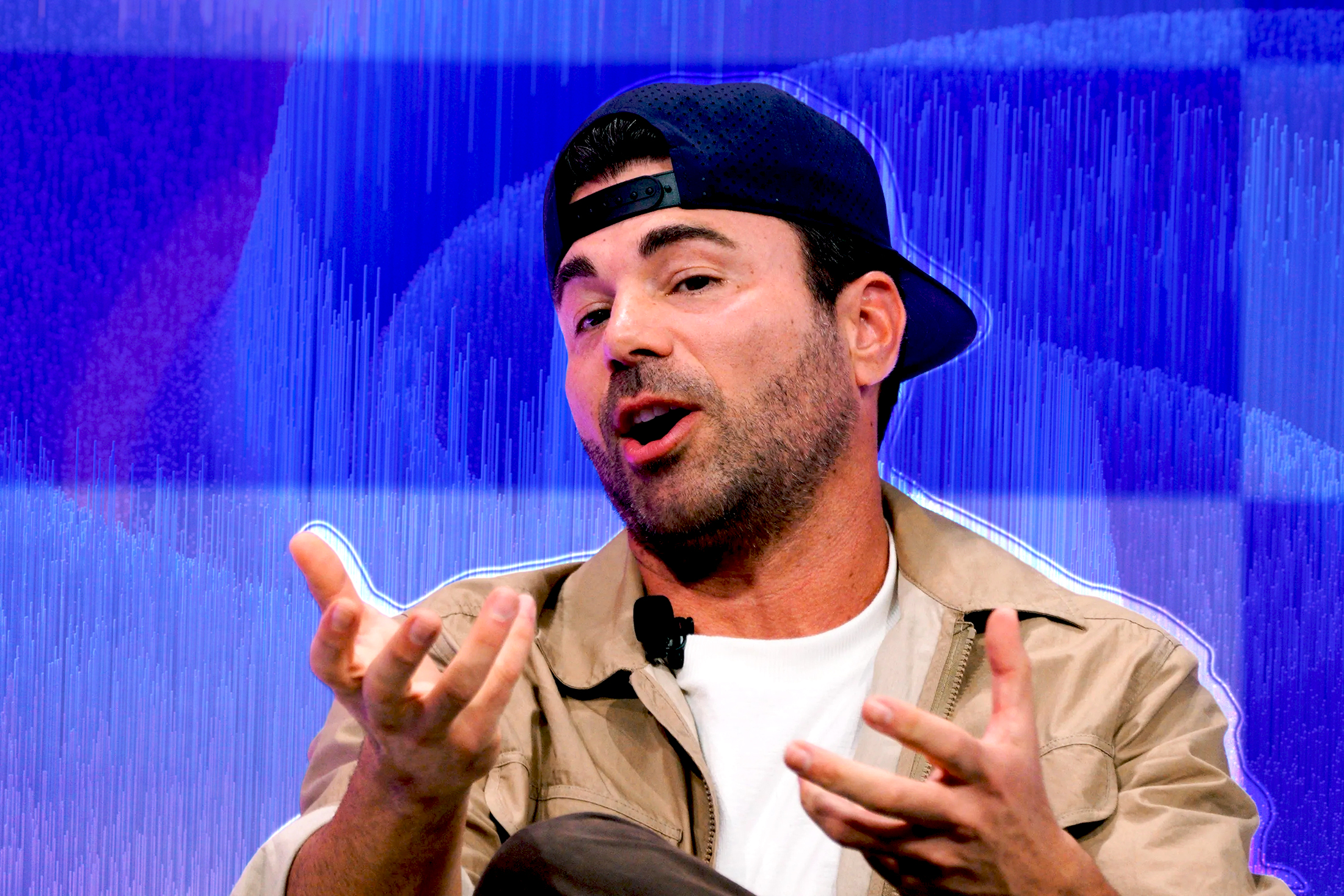
Former NASA engineer and science personality Mark Rober is challenging creators to prioritize physical feats over digital simulations to combat the rise of artificial intelligence in social media. According to Entrepreneur, the YouTuber believes authentic real-world experiences provide a competitive advantage that automated software cannot currently replicate or replace for audiences.
Context from Industry Pulse
The creator economy is facing a structural shift as AI tools lower the barrier to entry for video production. While platforms like Linguana facilitate rapid international expansion through automated dubbing and localized metadata, this efficiency threatens creators who rely on technical execution rather than unique physical presence. Mark Rober’s approach suggests that the economic value of content is shifting away from narration and toward verifiable, high-cost physical stunts. As AI continues to flood platforms with low-cost simulations, the premium on human-centric authenticity may become the primary differentiator for high-revenue channels that must justify significant production budgets against cheaper automated alternatives.
"Do you want to see a simulation of someone dunking a basketball with a sick trick, or do you want to see someone actually do it?"
The rise of artificial intelligence in media production has created a saturated environment for content creators, leading some to fear their work will be overshadowed by automated output. Entrepreneur reports that Mark Rober, who currently manages a subscriber base of over 85 million, advocates for a return to physical reality as a way to maintain market relevance. He suggests that performing noteworthy actions in the real world creates a level of viewer engagement that simulated visuals fail to achieve.
Financial data shared by Entrepreneur reveals that Rober’s YouTube operations generated approximately 17 million dollars in revenue last year, which effectively covered the high costs of his complex productions. To supplement this, the creator operates CrunchLabs, a science and engineering kit company that now supports a workforce of more than 200 people. This business model focuses on fostering curiosity and lifelong learning as defensive measures against the limitations of AI-generated information.
While some creators utilize artificial intelligence to scale their reach, the technology presents a significant dilemma for the industry. Entrepreneur notes that startups like Linguana are already helping hundreds of YouTubers translate their libraries into multiple languages using AI dubbing. These services typically operate on a revenue-sharing model rather than upfront fees, allowing creators to monetize existing videos in international markets without traditional production overhead.
However, Rober warns that the ease of AI production creates a new competitive vulnerability for certain types of channels. According to Entrepreneur, creators who rely on anonymous narration or animation may find themselves at a disadvantage as competitors use AI to produce similar work faster and more affordably. He believes that maintaining a recognizable human personality and focusing on verifiable real-world experiments currently serves as a protective barrier for high-quality channels.
The Industry Pulse Bottom Line
To survive the influx of automated content, creators must leverage physical reality and human personality. Authenticity serves as a market moat, distinguishing high-value human achievement from low-cost digital simulations.