
Eden Bridgeman Adapts Restaurant Management Discipline to Media Leadership
Eden Bridgeman is leveraging her background in the restaurant industry to modernize the media brand EBONY. According to Entrepreneur, the executive transitioned from a career at food franchise operator Manna, Inc. to lead the iconic publication after her father purchased the asset out of bankruptcy. She is now focused on operational infrastructure and cross-generational relevance.
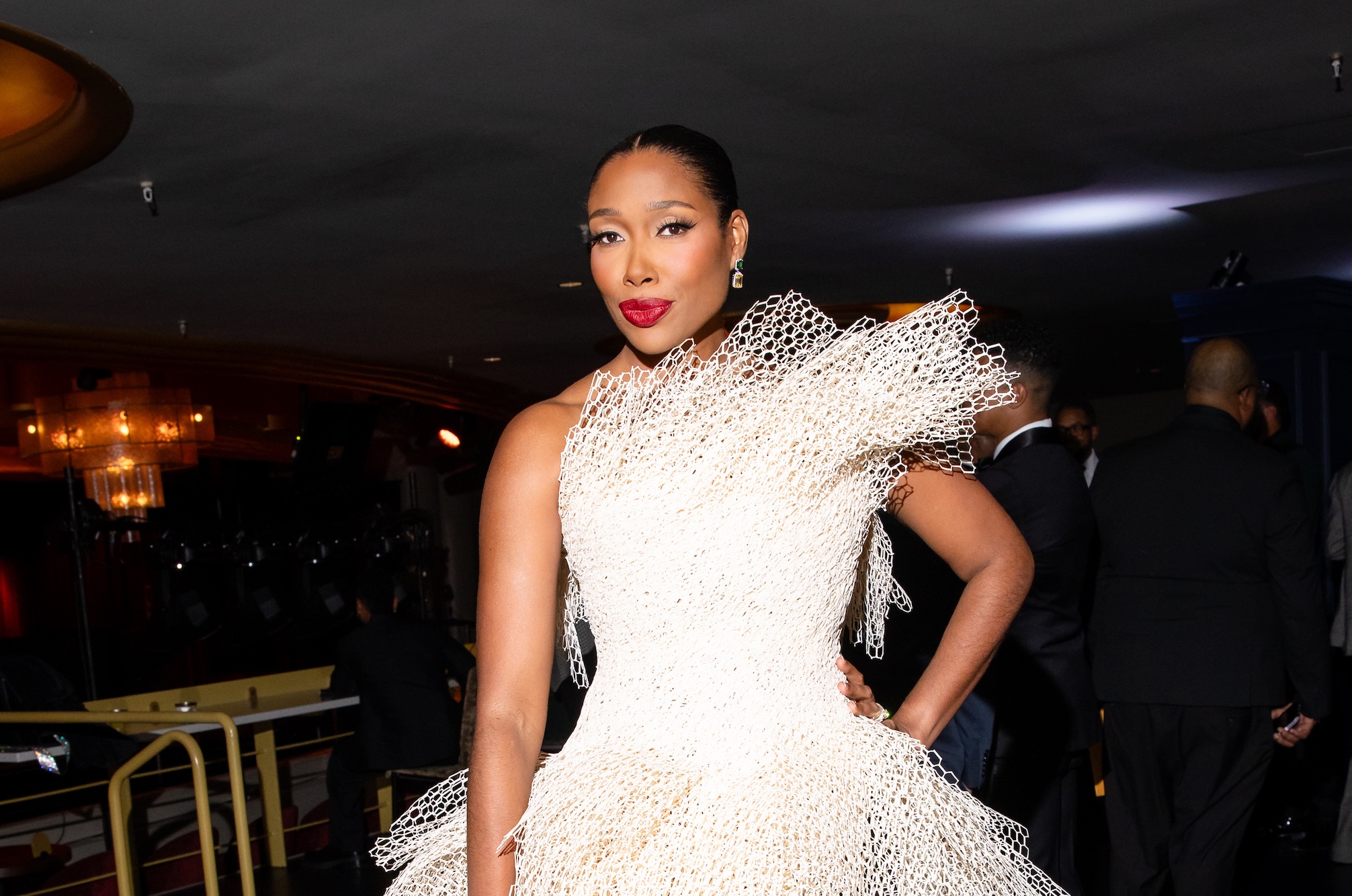
Context from Industry Pulse
The transition of EBONY from a bankruptcy acquisition in 2020 to its current state reflects a broader trend of legacy brands seeking operational stability through experienced franchise management. By naming a business award after her father, Ulysses Junior Bridgeman, and hosting the Power 100 gala at the Hollywood Palladium, Eden Bridgeman is attempting to bridge the gap between historical cultural equity and modern prestige. The strategy relies on balancing the expectations of long-time followers with the consumption habits of younger generations. This modernization effort is happening as the media industry faces increased pressure to diversify revenue streams through commerce, events, and diverse platform distribution, moving beyond traditional advertising models.
"A title may give you authority, but leadership is really about service, accountability and creating the conditions for other people to succeed."
The leadership trajectory of Eden Bridgeman began with service roles at Wendy’s and Chili’s, positions that established her current philosophy on accountability and customer experience. As Entrepreneur reports, these early roles taught her that consumers evaluate a business by the final outcome rather than individual department performance. This perspective shifted her focus toward ensuring every part of an organization takes responsibility for the end-to-end user experience.
After serving as the chief marketing officer for Manna, Inc., Bridgeman assumed the leadership of EBONY in 2021. The transition revealed significant differences between the restaurant and media sectors. While food service follows a relatively clear economic model, Entrepreneur notes that media involves a complex ecosystem of competing interests, including advertisers, platforms, creators, and technology. Bridgeman highlights that cultural attention does not automatically translate into revenue without proper business infrastructure.
Bridgeman has integrated specific restaurant industry practices into her media strategy, specifically focusing on frequency, consistency, and granular measurement. She argues that just as diners expect a reliable brand standard every time they enter a restaurant, media consumers require clear expectations and high-quality interactions. By applying disciplined performance metrics, she aims to provide a data-driven foundation for creative storytelling.
Under her tenure, the focus has shifted toward rebuilding the operational framework necessary for a legacy brand to compete in a modern digital environment. Entrepreneur notes that this involves strengthening sales processes, partnership development, and distribution methods. Bridgeman utilizes an inverted pyramid leadership style, a philosophy inherited from her father, Ulysses Junior Bridgeman, which prioritizes supporting staff and creating conditions for team success over traditional top-down authority.
The Industry Pulse Bottom Line
Bridgeman’s approach demonstrates that applying the rigorous operational discipline and service-oriented leadership of the franchise restaurant industry can provide the necessary infrastructure to stabilize and modernize legacy media brands.