
Engineering Developer John M. Christy Revitalizes Heritage CAD Software with AI
Tetra720 founder John M. Christy is modernizing his decades-old CAD platform, CADD/200, for contemporary systems using artificial intelligence. According to Engineering.com, the developer is utilizing the Claude AI model to port his Pascal-based legacy code into a new Mac and Windows application titled C3, four decades after his software first gained traction on Hewlett-Packard workstations.
Context from Industry Pulse
Christy’s transition from manual 1970s drafting—using light tables, ink, and tape—to AI-assisted programming highlights the massive efficiency gains in engineering workflows. The original CADD/85 succeeded despite hardware limitations, such as a 286-variable cap, by focusing on specific engineering needs like schematic symbols and instrument control. Engineering.com reports that the new C3 project relies on Claude to bridge the gap between 1980s Pascal and modern environments. This underscores a broader shift where legacy domain expertise is preserved through AI translation, allowing veteran engineers to act as directors of automated development rather than manual coders, provided the original logic was soundly documented.
"A customer extending a program thirty years after it was written is the best test of readable code I know of."
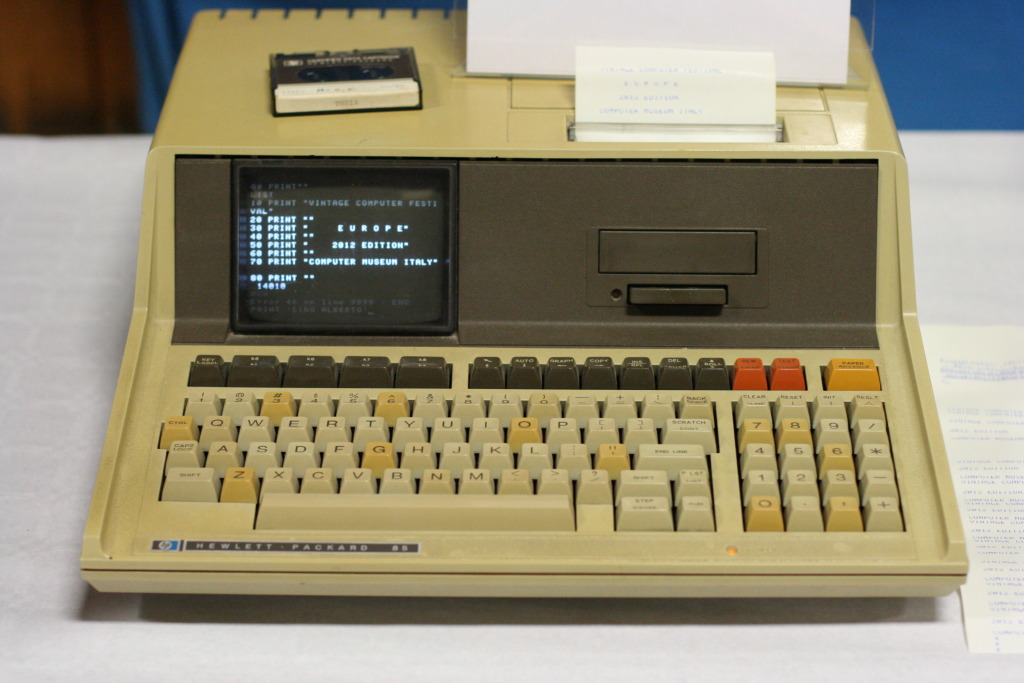
The evolution of computer-aided design software often moves at a breakneck pace, yet some foundational principles remain relevant forty years later. According to Engineering.com, developer John M. Christy originally entered the CAD space in the late 1970s after discovering that existing minicomputer-based drawing systems cost roughly 500,000 dollars. This barrier to entry led Christy to teach himself programming on the HP-85, a machine that ran at 613 kilohertz and utilized binary-coded decimal arithmetic for precision despite its slow processing speed.
His early software, CADD/85, eventually evolved into CADD 200/300 for the HP 9816 workstation. Engineering.com reports that Christy implemented two critical design choices that ensured the long-term viability of the code. First, he assigned an extent to every drawing item, allowing the software to redraw only the elements currently visible on the screen. Second, he prioritized highly readable source code with descriptive variable names and extensive commenting, which later allowed users to modify and maintain the software for over thirty years.
After stepping away from the project in the 1990s, Christy recently began a complete revitalization of the platform. As Engineering.com notes, the developer transitioned to the Apple ecosystem for the 2025 rewrite, citing the coherence of the hardware and operating system as a modern parallel to the HP workstations of the 1980s. This new version, rebranded as C3, reached feature-complete status in early 2026.
The development process has shifted significantly due to modern tools. Rather than manual coding, Christy now uses AI to analyze his original Pascal procedures and generate new code. According to Engineering.com, this shift has transformed the developer’s role into that of a producer and director, focusing on high-level architecture and quality control while the AI handles the bulk of the language translation for both Mac and Windows versions.
The Industry Pulse Bottom Line
The revitalization of C3 demonstrates that well-documented legacy logic remains a valuable asset. By leveraging AI to port readable historical code, developers can maintain specialized engineering tools across hardware generations.