
GE Vernova Foundation Initiates Engineers of Change Program in South Carolina
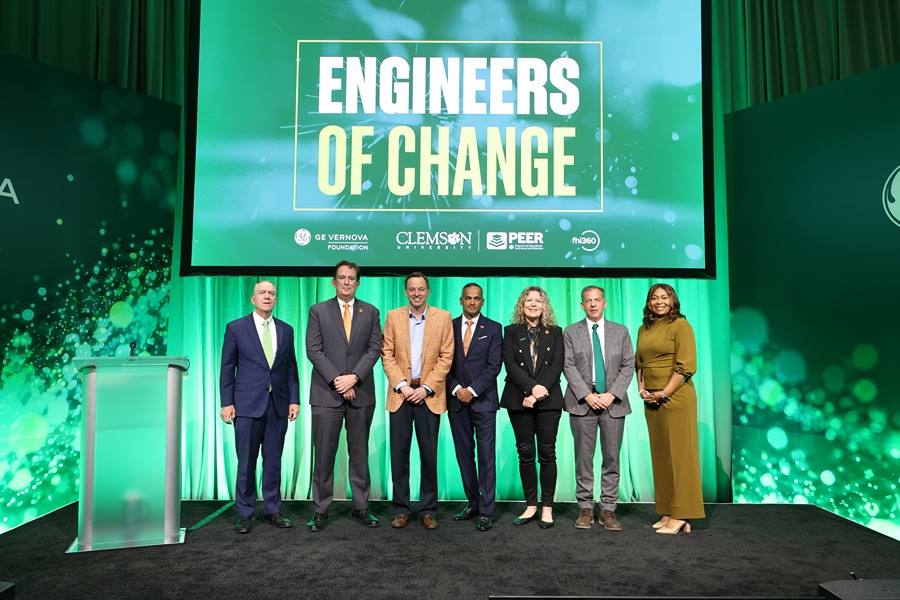
The GE Vernova Foundation has inaugurated its Engineers of Change initiative in Greenville, South Carolina, to foster technical talent among local youth. As Engineering.com reports, the three-year, $4.5 million project aims to engage thousands of students in hands-on learning and design challenges to build a pipeline for the future sustainable energy workforce.
Context from Industry Pulse
The launch of Engineers of Change occurs alongside a broader regional investment strategy by GE Vernova in South Carolina. Beyond the $4.5 million allocated for this specific engineering pipeline, the organization has integrated itself into the local infrastructure through the 2026 opening of GE Vernova Park, which attracted over 45,000 visitors in its first season. This social investment is paired with academic support, including $100,000 in Future of Energy Skills scholarships and hundreds of individual grants awarded since 2021. By partnering with Clemson University and FHI 360, the foundation is attempting to synchronize secondary education directly with the evolving technical demands of the energy industry.
"By bringing engineering to life through hands-on learning, real-world design challenges, and direct mentorship from industry professionals, the program aims to ignite curiosity and confidence in students ages 13–18."
The GE Vernova Foundation officially commenced its Engineers of Change program this fall at the Advanced Manufacturing Works facility in Greenville. According to Engineering.com, the initiative represents a $4.5 million investment spread across two primary hubs located in South Carolina and Staffordshire, UK. The Greenville branch alone intends to reach approximately 3,000 students through curriculum designed to build curiosity and professional confidence in the engineering sector.
As Engineering.com reports, the program targets two distinct age groups with tailored educational pathways. The Engineering Spark component introduces 13 to 14-year-olds to fundamental technical concepts using active learning techniques. For older students aged 15 to 18, the Engineering Catalyst track provides a two-year immersive experience. This advanced phase focuses on career readiness workshops and complex design challenges to prepare participants for formal engineering studies.
Collaboration with academic and non-profit organizations is central to the program delivery. Engineering.com notes that the Foundation is working with the global nonprofit FHI 360 and Clemson University through its PEER program. These partnerships ensure that the curriculum remains aligned with the specific requirements of the local industrial workforce while providing students with direct mentorship from established industry professionals.
This educational launch follows a period of significant community investment by the company in the Upstate region. Since 2021, the GE Vernova Foundation and the parent company have provided nearly 300 scholarships, including the John Lammas Annual Scholarship and the STAR Scholarships for dependents of employees. Furthermore, the organization has contributed $100,000 toward technical and skilled trade scholarships focused on energy sector development.
Broader community efforts mentioned by Engineering.com include the recent opening of the GE Vernova Park, which serves as a multipurpose venue for professional soccer and local fitness events. The company also participates in regional volunteer activities such as Hands On Greenville Day and literacy programs that have incentivized thousands of local students. These combined efforts highlight a multi-faceted approach to regional development that integrates technical education with social and physical well-being.
The Industry Pulse Bottom Line
GE Vernova's multi-million dollar investment in Greenville demonstrates a strategic commitment to local workforce development, utilizing structured mentorship and academic partnerships to secure a long-term pipeline of skilled innovators for the sustainable energy transition.