
Boston Dynamics Redesigns Stretch Robot to Cut Maintenance and Boost Uptime
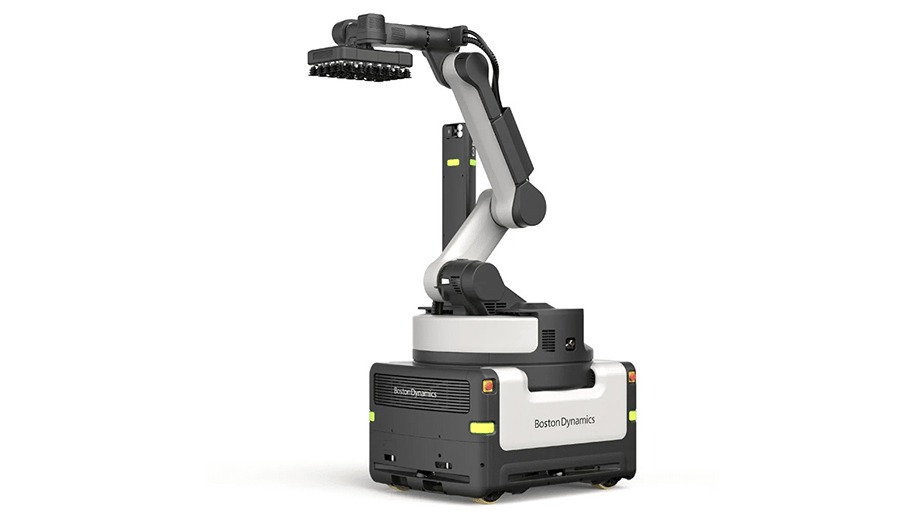
Boston Dynamics has revealed the Stretch Gen 2, an updated autonomous trailer unloader built to withstand high-volume logistics environments. According to Engineering.com, the company leveraged data from 100,000 operational hours to harden the robot’s hardware, focusing on reducing electrical faults and simplifying mechanical repairs for facility maintenance teams.
Context from Industry Pulse
The introduction of the Stretch Gen 2 highlights a shift in the robotics industry from proof-of-concept autonomy to industrial-grade reliability. By analyzing tens of millions of box picks, Boston Dynamics identified that mechanical fatigue and electrical wiring wear were the primary obstacles to scale. The reduction of internal cabling by 81 percent and the move toward modular, user-serviceable components address the logistical reality that uptime is the most critical metric for high-volume warehouses. This development aligns with broader engineering trends where diagnostic software and hardware durability are being prioritized to minimize reliance on specialized external support for routine fleet maintenance.
The latest iteration of the mobile warehouse robot addresses mechanical vulnerabilities identified during the deployment of its predecessor. Engineering.com reports that the Gen 2 model eliminates roughly a half-mile of internal cabling, a reduction of 81 percent that targets the primary cause of intermittent electrical failures. To handle the physical stress of rapid box movement and uneven warehouse floors, the robot now utilizes automotive-grade connectors and reinforced exterior panels designed to resist impact damage.
Operational efficiency is further supported by a transition to continuous rotation joints. As Engineering.com explains, these new joints move beyond a 360-degree range to prevent the mechanical stress associated with hard stops. The gripper system also received an overhaul, featuring new valves and high-precision sensors to improve grasping speed. These physical improvements allow the machine to unload up to 1,000 cases per hour, though actual performance varies based on the weight and stacking quality of the cargo.
Maintenance requirements have been streamlined through a modular design approach. Engineering.com notes that swapping a full swerve drive now takes approximately one hour, whereas the same task required a full day on the previous generation. The removal of complex wiring harnesses and the use of standardized high-strength fasteners further reduce the time technicians spend on repairs. New onboard diagnostic tools are also included to allow onsite staff to manage routine service without external support.
The robot operates on a redesigned computing platform that supports fleet-wide software updates without hardware modifications. Engineering.com highlights that these updates continuously refine motion planning and case detection capabilities. Power management is handled by a battery capable of lasting two full shifts, supported by a fast-charging system that reaches 90 percent capacity in 75 minutes. A pre-trained vision system allows the unit to begin processing packages immediately upon installation.
The Industry Pulse Bottom Line
The Gen 2 Stretch focuses on serviceability and durability, transforming a complex autonomous machine into a modular industrial tool that onsite logistics teams can maintain independently to ensure consistent warehouse throughput.