Done Global Founder Sentenced Over Illegal Distribution of 37 Million Adderall Pills
Industry Pulse News Desk · 2026-10-15
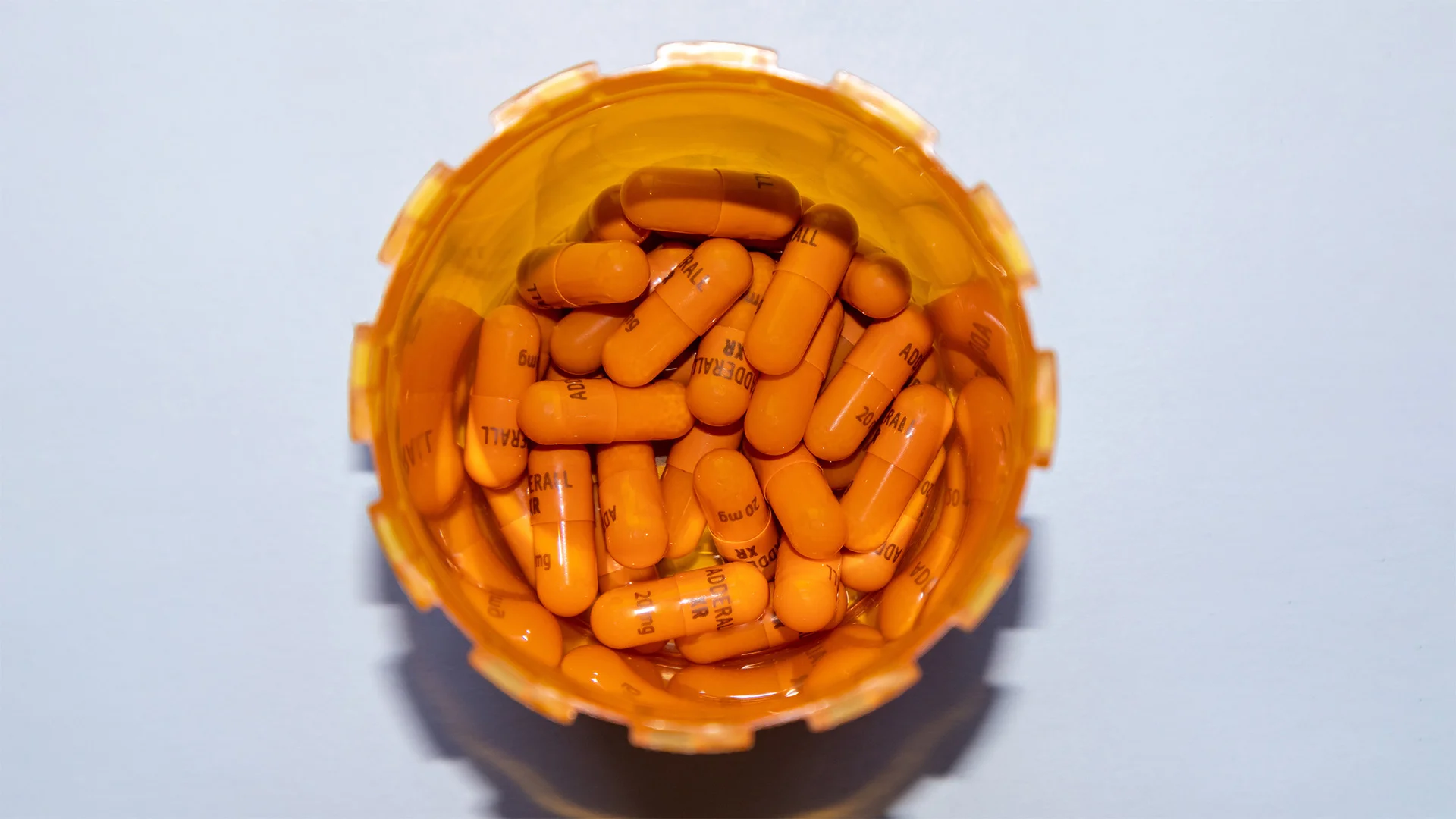
A federal court sentenced the founder of telehealth firm Done Global to six years in prison for the unlawful distribution of 37 million controlled substance pills.
A federal judge has sentenced the founder of digital health platform Done Global to six years in prison for orchestrating a corporate scheme that illegally distributed more than 37 million Adderall pills and other habit-forming controlled substances across the United States.
Federal prosecutors established that the company deliberately utilized remote care infrastructure to bypass standard clinical evaluations, allowing contracted medical providers to prescribe powerful stimulants with minimal diagnostic oversight. Prosecutors argued that the firm's commercial model incentivized clinicians to issue prescriptions rapidly, prioritizing customer retention and subscription revenues over established medical standards and patient safety.
The landmark sentencing highlights intensifying regulatory and legal scrutiny surrounding direct-to-consumer telehealth platforms that expanded rapidly in response to relaxed regulations during the COVID-19 pandemic. While virtual care significantly widened patient access to mental health services nationwide, federal law enforcement agencies have progressively targeted operations accused of exploiting regulatory flexibilities to market and dispense controlled substances.
Industry regulatory experts note that the high-profile prosecution signals a shift toward rigorous operational enforcement rather than an outright prohibition of virtual healthcare delivery. Federal authorities are increasingly pressing for enhanced clinical safeguards, including mandated usage of state prescription drug monitoring databases and required multi-step patient evaluations for controlled drug regimens.
The criminal judgment represents one of the largest enforcement actions against an executive in the digital health sector to date. Federal regulators continue to refine nationwide remote prescribing guidelines to curtail unlawful distribution networks while preserving legitimate virtual care options for patients.