
EU Ecodesign Regulation Bans Destruction of Unsold Apparel and Footwear
The European Union is implementing new restrictions on large fashion companies to prevent the disposal of surplus inventory. As Designboom reports, the Ecodesign for Sustainable Products Regulation mandates that businesses prioritize resale, donation, or repair over destruction to mitigate the environmental impact of textile overproduction.
Context from Industry Pulse
The European Union's move reflects a shift away from linear manufacturing toward a circular economy that recognizes the inherent material value of finished goods. Designboom highlights that overproduction is not exclusive to fast fashion; luxury houses have historically destroyed inventory to maintain price control and brand prestige. By mandating transparency and prioritizing the waste treatment hierarchy, the EU is forcing a re-evaluation of craftsmanship and quality. However, the exclusion of major categories like leather handbags and the technical allowances for logo protection suggest that the legislation may not fully dismantle the waste-prone habits of the highest-end market segments quite yet.
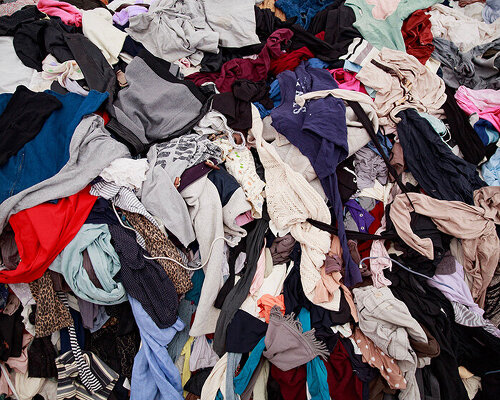
According to Designboom, the new European Union legislation aims to curb a systemic culture of overproduction within the fashion industry. The European Environment Agency estimates that between 264,000 and 594,000 tons of textiles are destroyed annually before ever being used by a consumer. This represents roughly 4 to 9 percent of all textile products entering the European market, encompassing both unsold stock and returned items.
The ban specifically targets large enterprises starting July 2026, with medium-sized firms following in 2030. Under these rules, businesses must explore alternative avenues for surplus goods, such as selling through discounted markets, donating to social enterprises, or refurbishing items for reuse. Companies are also required to maintain detailed records for five years and publicly disclose data regarding discarded products to ensure regulatory compliance and transparency.
While the legislation covers clothing and footwear, Designboom notes significant gaps that may impact luxury brands. Leather handbags and similar containers are currently excluded from the destruction ban, even though leather jackets are covered. This distinction creates a regulatory gray area for high-value accessories that often define a brand's exclusivity and market position.
Furthermore, the regulation allows for destruction under specific derogations, such as when products infringe on intellectual property or contain labels that are technically impossible to remove or conceal. Brands may also dispose of items if they remain unaccepted after being offered for donation for at least eight weeks. These exceptions highlight the ongoing tension between legislative sustainability goals and an industry business model that relies heavily on protected logos and perceived scarcity.
The Industry Pulse Bottom Line
The EU's destruction ban forces fashion brands to operationalize circularity through donations and repairs, though loopholes for luxury handbags and branded labeling provide significant leeway for high-end labels.