
Sony Revives 1979 Walkman Headphones with Modern USB-C Update
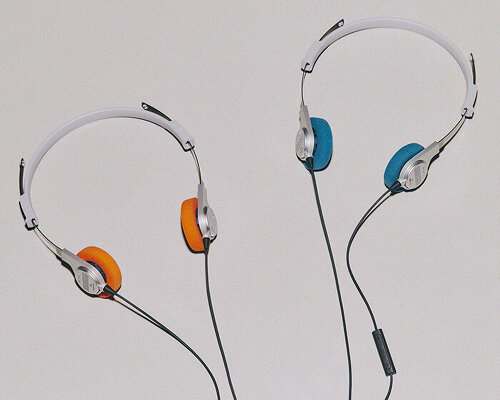
Sony is reintroducing the classic headphones that debuted alongside the original 1979 Walkman. According to Designboom, the new MDR-3R model preserves the slim retro silhouette and vibrant foam padding of the original hardware while replacing the traditional analog jack with a USB-C connection to accommodate modern smartphones and digital audio devices.
Context from Industry Pulse
The re-release of the MDR-3R by Sony occurs as consumer interest in the aesthetics of early portable technology grows. According to Designboom, the original Walkman TPS-L2 and its lightweight headphones fundamentally altered music consumption by making audio mobile. By revisiting the 1979 design, Sony leverages its own historical catalog to appeal to audiences who value the tactile nature of wired electronics. This release follows a broader industry pattern where legacy manufacturers refresh iconic industrial designs with updated digital interfaces, such as USB-C, to maintain relevance in an ecosystem that has largely moved away from analog standards.
"The new MDR-3R returns to that early design, with its thin profile offering a striking contrast to today’s bulky wireless headphones."
As Designboom reports, the new MDR-3R design serves as a direct successor to the MDR-3 headphones that helped define the portable audio revolution nearly fifty years ago. The hardware maintains the exceptionally light weight of its predecessor, coming in at just 38 grams. This construction features a slender silver headband and exposed metal supports that connect to small, circular speaker housings, offering a minimalist alternative to the larger wireless headsets common in the current market.
Technological updates are centered on connectivity and functionality rather than changing the physical footprint. Designboom notes that Sony integrated a USB-C cable, allowing the headphones to plug directly into contemporary mobile devices without adapters. The wired configuration also includes an in-line remote and microphone for managing playback and voice calls. By opting for a wired connection, the manufacturer avoids the need for internal batteries or Bluetooth synchronization, prioritizing immediate plug-and-play utility.
Internal specifications remain focused on the heritage of the brand. Designboom indicates that the earcups house 23 mm drivers, the same size used in the 1979 version. The sound tuning is engineered to mimic the specific audio character of the original open-back design while receiving subtle adjustments to meet the expectations of modern listeners. This blend of vintage acoustics and digital-era hardware aims to capture the simplicity of early personal listening.
Visual authenticity extends to the accessories and presentation. Each unit comes with interchangeable foam ear pads in both bright blue and orange, the signature colors of the first Walkman era. Designboom highlights that the packaging also mirrors the 1970s aesthetic, utilizing a blue box decorated with a graphic grid pattern and oversized illustrations. Even the included instruction manual follows the layout and design cues of the original documentation from decades ago.
The Industry Pulse Bottom Line
Sony’s revival of the MDR-3R emphasizes heritage design over modern wireless trends, using retro aesthetics and USB-C utility to capture the growing market interest in simplified, vintage-inspired personal audio hardware.