
Nike Leverages Digital Printing to Engineer Internal Cushioning Structures
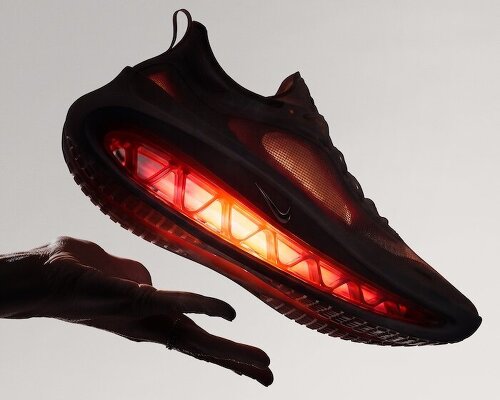
As reported by Designboom, Nike has unveiled Tuned Air, a manufacturing breakthrough that uses digital ink to customize air-filled soles. By applying ink to specific internal sections, engineers can prevent bonding during lamination, creating varied support zones. This development marks a shift from mechanical internal supports to digitally mapped geometries, potentially arriving in late 2027.
Context from Industry Pulse
Nike's shift toward digitally printed internal geometries represents a move toward software-defined manufacturing in the footwear industry. By replacing physical supports with ink-based bonding patterns, the brand can mitigate the design constraints imposed by traditional rigid structures. This approach aligns with broader industry movements toward rapid prototyping and customization, as seen in the reported 70 percent reduction in development cycles. While the technology was previewed alongside other high-performance design projects in late 2026, its success will depend on translating these internal structural variations into tangible performance benefits for athletes across different weight classes and sport types.
The latest manufacturing innovation from Nike moves away from the traditional internal pins and rigid mechanical sections that historically defined the shape of Air units. As Designboom reports, the new Tuned Air system utilizes a proprietary digital ink to determine how different zones of a shoe sole react to physical pressure. This process allows engineers to control which areas of the air-filled unit compress and which remain firm, providing tailored responsiveness across the length of the foot.
Technically, the method relies on a combination of digital printing and selective lamination. When the ink is applied to the interior of an Air unit, it prevents those specific areas from bonding during the manufacturing process. Conversely, sections without ink join together, forming a blueprint for the internal geometry. Designboom notes that this inspiration was drawn from the printing techniques used for glossy magazine covers, which the company spent over a decade refining for footwear applications.
Efficiency gains at the Nike Advanced Product Creation Center have been significant under this new model. The company reports that development times for new prototypes have decreased by approximately 70 percent. A process that once required three weeks for a physical prototype can now be completed in three days. This speed allows for rapid testing of internal geometries without the need to redesign the entire physical structure of the sole for every iteration.
While the technology has been showcased through colorful internal components at recent events, commercial availability is still on the horizon. Nike plans to debut the first Tuned Air running shoes in late 2027, with intentions to eventually expand the application to other sports and lifestyle categories. For now, the innovation remains a significant behind-the-scenes adjustment to how the brand approaches footwear architecture and athlete-specific customization.
The Industry Pulse Bottom Line
Nike’s Tuned Air transition from mechanical supports to digitally printed internal patterns drastically reduces prototyping time and offers precise control over sole compression ahead of a 2027 market debut.