
Balzar Arquitectos Merges Wabi-Sabi Aesthetics with 19th-Century Valencia Heritage
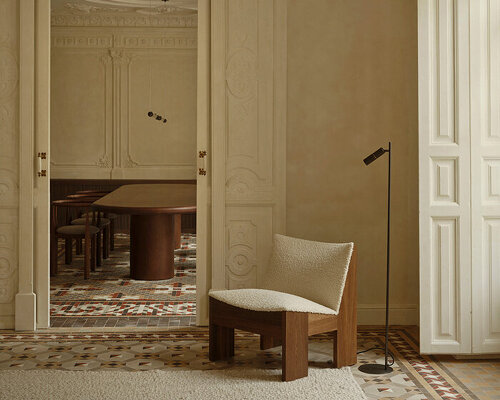
Balzar Arquitectos has completed the renovation of a historic 1890s residence in Valencia, Spain. According to Designboom, the project transforms the Ciutat Vella Apartment into a contemporary living space by blending original modernist architectural details with a restrained material palette inspired by wabi-sabi philosophy, emphasizing natural textures and the inherent beauty of imperfection.
Context from Industry Pulse
The Ciutat Vella Apartment renovation reflects a specific intersection of historical preservation and minimalist material trends currently seen in European residential design. By utilizing wabi-sabi principles, Balzar Arquitectos avoids the starkness often associated with modernism, instead leaning into the textures of lime wash and natural stone. This project coincides with a broader architectural interest in repurposing heritage structures, such as EBBA Architects' recent transformation of an agricultural barn into a sanctuary. Both projects demonstrate a move toward architecture that values instinct and existing site history over rigid signature styles, utilizing site-specific joinery and restored materials to create functional, contemporary spaces within traditional frameworks.
The restoration of the Ciutat Vella Apartment, situated within the historic center of Valencia, prioritizes the preservation of 19th-century craftsmanship while adapting the space for modern domestic use. Designboom reports that the design team at Balzar Arquitectos utilized original architectural elements as a framework for the new layout. These features include geometric Nolla mosaic tile floors, decorative ceiling moldings, and solid timber doors. By retaining these historical traces, the architects established a spatial rhythm that respects the building's heritage without treating it as a static museum exhibit.
Materiality plays a central role in the renovation strategy. As Designboom notes, the intervention is guided by a wabi-sabi aesthetic that favors material patina over bold colors. The architects selected a tactile palette featuring lime plaster, unfilled travertine, and solid wood, complemented by natural textiles like linen and wool. These matte surfaces are designed to interact with diffused daylight filtering through the apartment's original apertures, creating a soft backdrop for both vintage and contemporary furnishings.
The interior design integrates a diverse range of objects to bridge the gap between historical and modern eras. Designboom highlights the inclusion of vintage pieces from Nekonato Gallery alongside contemporary seating from New Works and lighting by Venicem. Custom site-specific joinery by Balzar Arquitectos and artworks from CLC Arte further personalize the space. This combination of curated furniture and historic restoration creates a dialogue between ornamental 19th-century craft and the minimalist requirements of modern ergonomics.
Structural details such as wrought ironwork and polychrome wall fragments were also preserved to maintain the home's historical integrity. Designboom explains that the interface between different flooring materials, such as marble and timber, helps define the transition between living spaces. Through this meticulous approach to texture and heritage, the project demonstrates how historical residential architecture can be successfully reimagined through a lens of material sensitivity and contemporary design principles.
The Industry Pulse Bottom Line
Balzar Arquitectos demonstrates that high-end residential renovations can successfully balance historic preservation with contemporary minimalism by prioritizing material texture and patina over structural alterations, maintaining architectural integrity through a wabi-sabi lens.