Data Centers Need 4.5-Foot Walls or 1,500-Foot Setbacks to Curb Noise, Study Finds
Industry Pulse News Desk · 2026-10-02
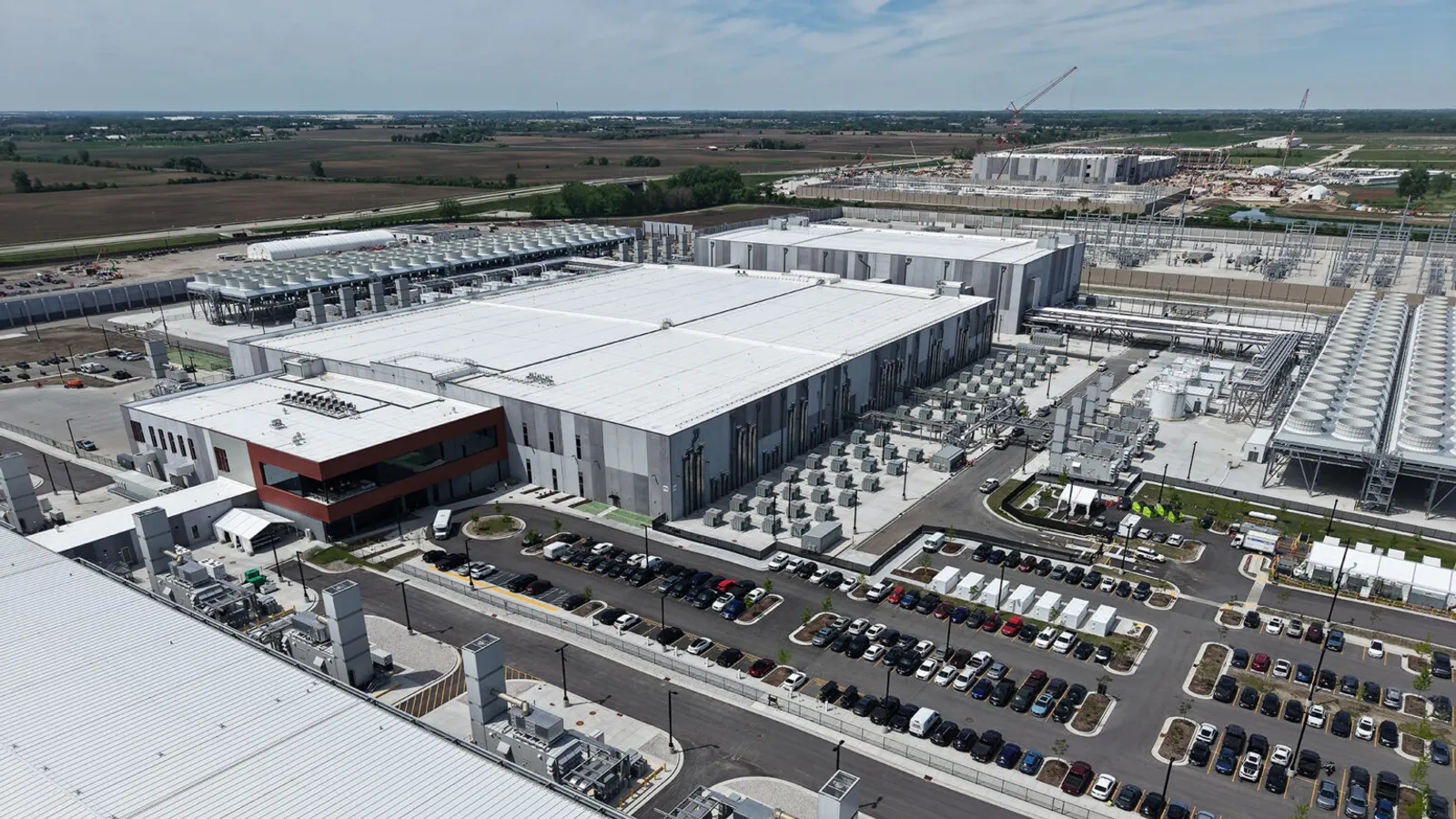
A Saint Louis University researcher recommends minimum 1,500-foot setbacks for data centers as ultra-thick barrier walls remain impractical for noise mitigation.
Data center facilities would require concrete sound-absorbing walls at least 4.5 feet thick to fully contain low-frequency hums generated by modern equipment, according to research conducted by Kasey Fowler-Finn at Saint Louis University.
Given that constructing walls of such thickness is economically and structurally impractical for most developers, the research indicates that establishing physical distance setbacks of at least 1,500 feet between facilities and adjacent properties is necessary to protect surrounding neighborhoods from continuous acoustic disruption.
The primary source of the noise stems from the massive industrial cooling infrastructure, high-output backup generators, and electrical transformers required to run high-density server arrays. Unlike traditional higher-frequency industrial sound, low-frequency sound waves travel across greater distances and easily penetrate standard residential construction.
Municipalities across the country are facing growing resistance from residential groups over proposed data center developments. The rapid buildout of facilities powered by demand for cloud services and artificial intelligence processing has brought industrial-scale infrastructure closer to populated suburbs.
Zoning boards and local planning commissions are increasingly turning to scientific noise assessments to rewrite local ordinances. The study suggests that enforcing robust setback buffer zones remains the most effective option currently available for municipalities seeking to balance technological expansion with residential quality of life.