Data Center Sector Faces Severe Skilled Labor Shortage, Report Finds
Industry Pulse News Desk · 2026-09-05
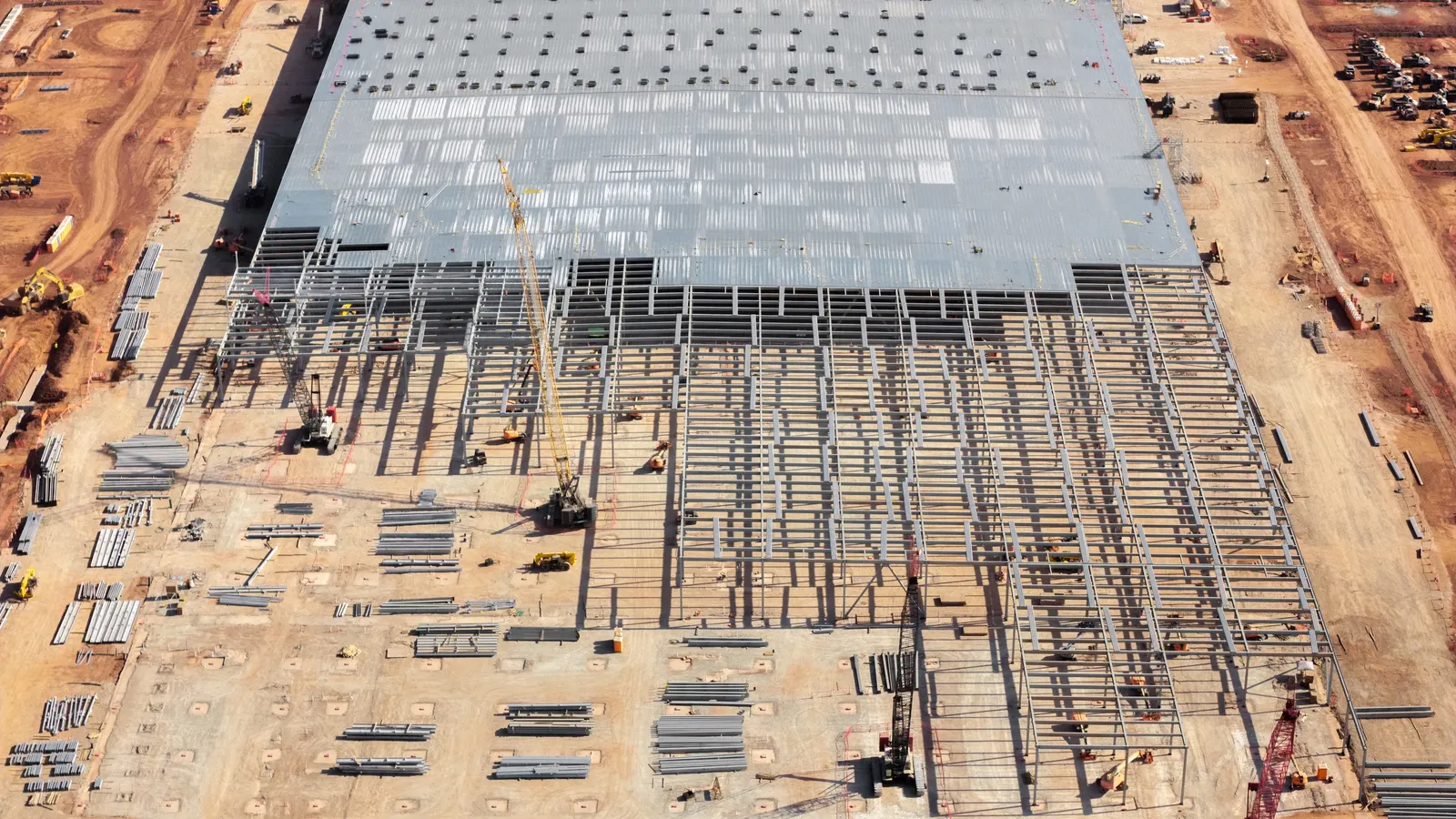
Operators can address growing staffing gaps by hiring talent from adjacent industries such as telecommunications and utility grid operations.
Data center operators are confronting an acute shortage of qualified technical professionals, posing significant operational challenges for the expansion and maintenance of critical digital infrastructure. Rapid growth across the sector, driven largely by cloud computing expansion and artificial intelligence deployments, has severely outpaced the available pool of specialized talent.
According to workforce solution findings, traditional recruitment channels are failing to supply the volume of skilled personnel required for modern facility operations. Facilities managers are experiencing heightened competition for engineers, electrical technicians, and systems operators capable of managing complex, high-density power and cooling environments.
To build a sustainable talent pipeline, workforce firm Kelly Services recommends that employers pivot toward adjacent technical industries. Professionals working in telecommunications, power utility grid operations, and industrial automation possess core technical competencies that translate directly to mission-critical data center management.
Adapting candidates from these sectors involves implementing structured cross-training programs tailored to mission-critical facility requirements. Workers with backgrounds in high-voltage utility systems or telecom network reliability already understand continuous uptime demands, making them ideal candidates for accelerated onboarding.
Expanding recruitment parameters beyond candidates with direct data center experience offers an immediate strategy to relieve staffing pressure. Employers adopting these broader sourcing strategies are better positioned to mitigate wage inflation, reduce turnover, and sustain long-term digital infrastructure growth.