
Industry Pulse News Desk · Edited by Stepan Kroka · · 16m ago
Data Center Power Demand Outpaces U.S. Grid Expansion as Delays and Backlash Mount
Surging power requirements for artificial intelligence facilities are overwhelming utility networks and prompting widespread voter pushback across the country.
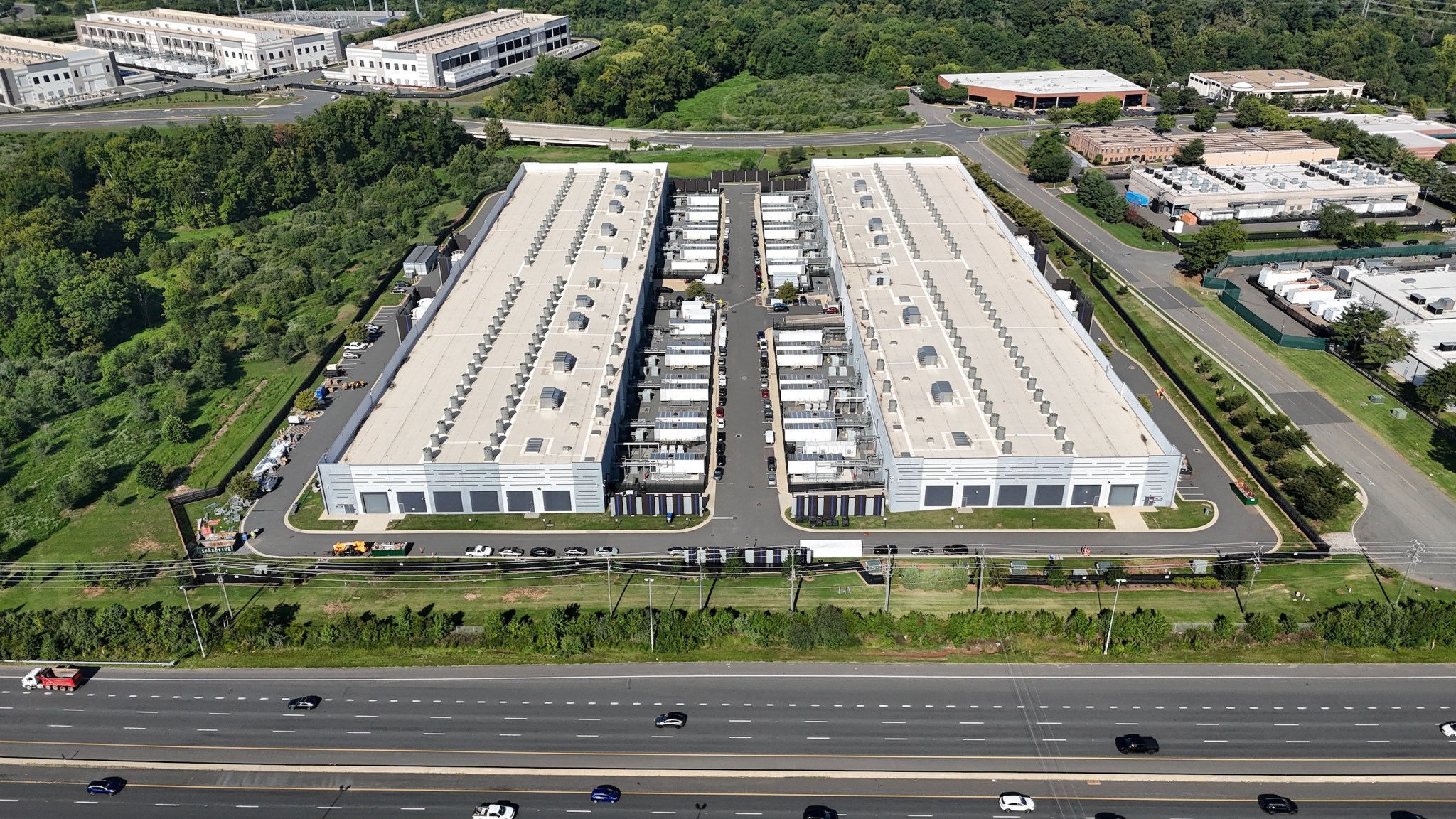
U.S. data center power demand is expanding at nearly ten times the pace of national electric grid capacity, creating a mounting infrastructure bottleneck as capital investment into artificial intelligence escalates.
Electricity delivered to data centers has grown by an average of 19 percent annually since 2000, while overall domestic grid capacity expanded by just 2 percent per year over the same period. Projections indicate that data facilities could consume up to 12 percent of U.S. electricity by 2028, up from 1.9 percent in 2018 prior to the recent surge in computing demand.
The widening divide has begun stalling projects nationwide. Energy sector analysts estimate that between 50 percent and 60 percent of proposed data center developments now face delays beyond standard one- to two-year construction timelines. Industry specialists attribute the backlog to the years required to engineer and approve complex interconnected grid systems following decades of stagnant load growth.
Physical constraints are compounded by growing political and community opposition. In recent local elections, voters rejected data center proposals in 40 of 41 ballot measures, driven by concerns over community resource allocation and rising household utility bills. Commercial energy demand now exceeds residential demand across 23 states and Washington, D.C.
Recent regional grid assessments indicate that rapid facility buildouts have elevated local wholesale power prices by up to 20 percent in high-density tech corridors. Studies show data centers funded roughly 38 percent of the $8.25 billion in grid infrastructure costs tied to their expansion in 2025, shifting the balance of capital expenditure onto broader ratepayer bases.