Cross-Skilling in Construction Boosts Project Speed and Safety Outcomes
Industry Pulse News Desk · 2026-09-09
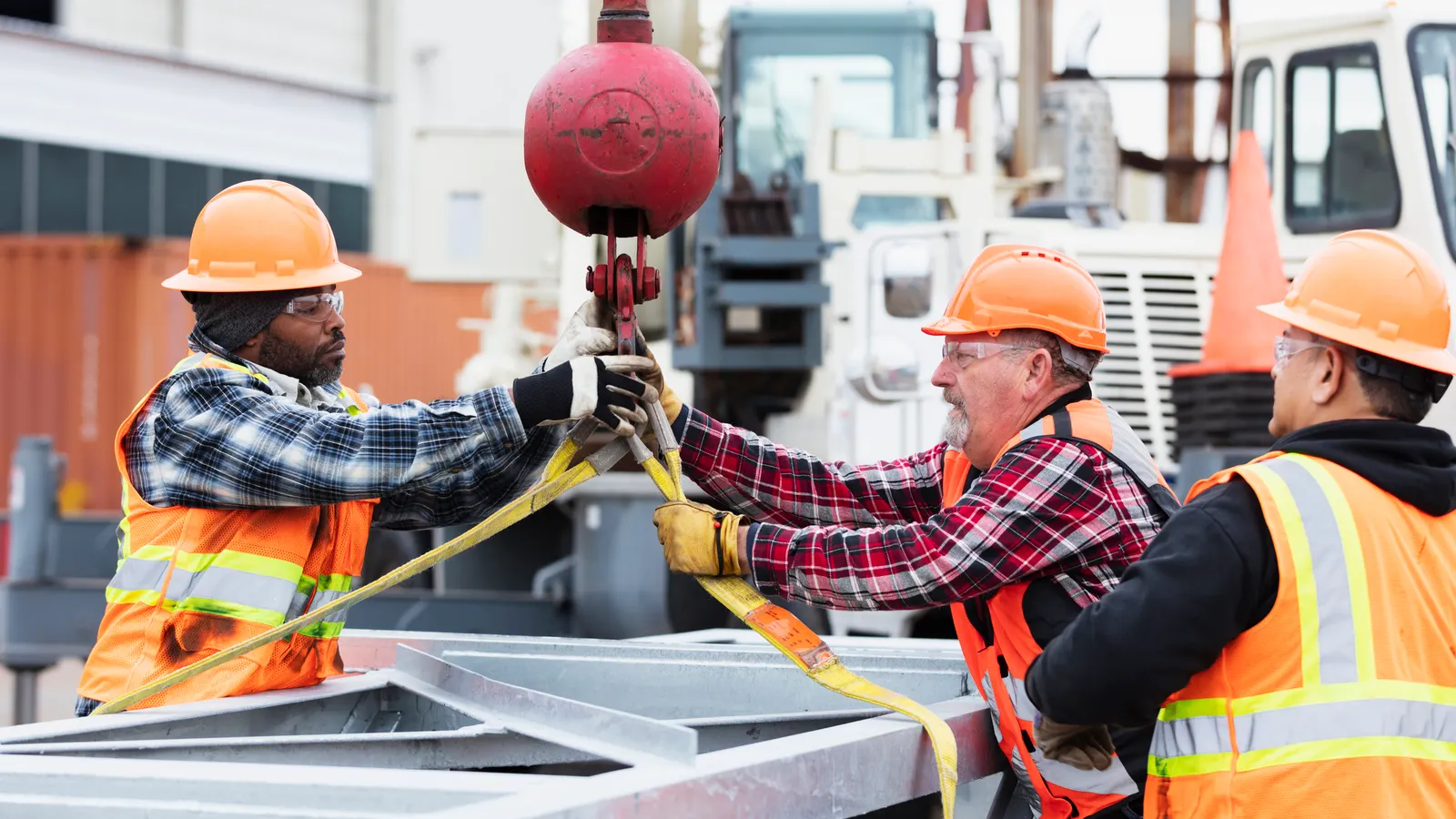
Training qualified construction workers to perform complementary tasks leads to faster project delivery times and improved jobsite safety metrics.
Expanding vocational training programs to cross-skill construction workers in adjacent technical disciplines accelerates overall project completion times and enhances safety performance across commercial and public infrastructure builds, according to recent construction management data.
Under the multiskilling framework, credentialed tradespeople undergo formal, standardized instruction to execute complementary tasks outside their primary specialty. Industry analysts note that allowing qualified personnel to handle minor, related operational duties minimizes workflow bottlenecks caused by waiting for specialized crews to complete brief project phases.
Data collected across multi-use development projects demonstrates a strong positive correlation between cross-tiered worker certification and improved jobsite safety metrics. Broader operational knowledge provides tradespeople with heightened situational awareness, contributing to fewer workplace injuries and enhanced safety compliance across complex job sites.
The strategic shift toward a cross-trained workforce also addresses persistent labor shortages currently impacting the heavy construction and residential building sectors. By maximizing the daily productivity and versatility of existing site personnel, general contractors can optimize workforce allocation while keeping overall expenditures aligned with project budgets.
Industry advocates are calling for expanded access to accredited, standardized certification programs to ensure that cross-skilled workers maintain rigorous technical standards. Widespread adoption of the practice will require updated state licensing guidelines and revised agreements regarding trade jurisdiction boundaries.