
Vytrus Biotech Debuts Hydranode Active to Reprogram Skin Hydration Networks
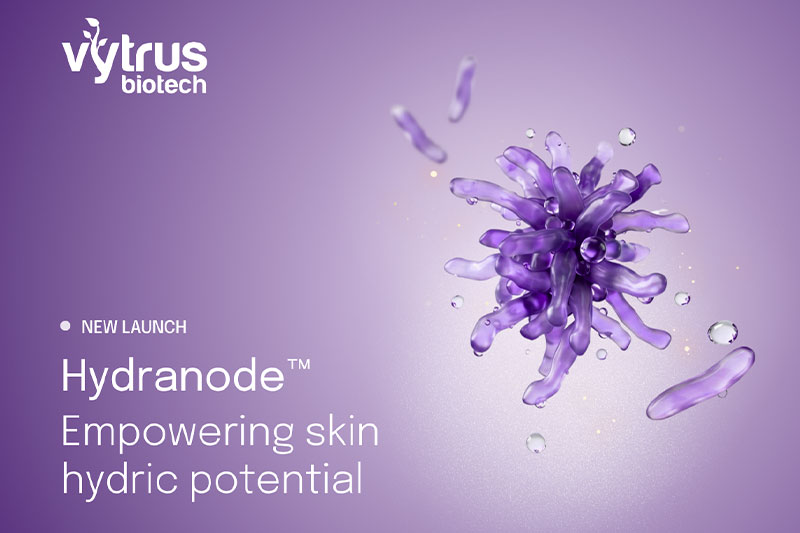
At the in-cosmetics Asia event in Bangkok, Vytrus Biotech introduced Hydranode, a biotechnological active designed to shift the focus from topical moisture addition to internal water management. According to Cosmetics Business, the ingredient utilizes microbial signals to stimulate the skin hydric interactome, promoting long-term hydration through the activation of biological transport and storage pathways.
Context from Industry Pulse
The launch of Hydranode arrives as the beauty sector sees established brands like Glow Recipe and Laneige expand their retail presence through Ulta Beauty and experiential stations. While retail footprints grow, the technical side of the industry is moving toward bio-identical and microbial solutions to solve age-old issues like dryness. This shift reflects a broader professional interest in the skin microbiome, as seen in the increasing complexity of ingredients that do not just coat the surface but attempt to communicate with the skin's biological systems. By leveraging drought-resilient bacterial ferments, Vytrus Biotech is positioning itself within this high-growth niche of advanced, biotech-driven skincare that prioritizes internal skin health over temporary cosmetic fixes.
The traditional framework of cosmetic hydration has long centered on humectants and occlusives. While these components address short-term comfort by attracting water or preventing its evaporation, they often fail to restore the biological mechanisms responsible for moisture regulation. As reported by Cosmetics Business, Vytrus Biotech is challenging this standard with the launch of Hydranode, an active that targets the skin hydric interactome to improve the distribution and conservation of water across epidermal layers.
Development of the ingredient was inspired by the drought-resilient metabolism of bacteria found in the Mediterranean forests of Catalonia. Using its Microbial Biofactories platform, the company reproduces these adaptive traits within bioreactors. Cosmetics Business notes that the resulting ferment contains a mix of microbial hormetins, proteins, and exopolysaccharides. These elements serve as signals to the skin microbiota, encouraging a collaborative response between microorganisms and human cells to enhance the skin’s natural reservoir functions.
Clinical data involving participants with normal-to-dry skin indicate that the active begins showing measurable results within one week of application. Findings highlighted by Cosmetics Business show that the ingredient supports increased levels of aquaporin-3 for better water transport, as well as higher concentrations of filaggrin and hyaluronic acid for retention. Beyond moisture levels, the treatment appeared to even out water distribution and provide a visible plumping effect while maintaining a balanced microbial environment.
For manufacturers and brands, the ingredient offers a multifunctional profile that aligns with several current market demands. It is 100 percent natural in origin and carries certifications including COSMOS approval and Halal compliance. Additionally, it meets regulatory standards for the Chinese market. Cosmetics Business suggests that the active is positioned for advanced skincare formulations that prioritize microbiota-friendly claims alongside deep-tissue hydration and plumping benefits.
The Industry Pulse Bottom Line
Vytrus Biotech is pivoting from external moisture additives to biological signaling. By targeting the skin hydric interactome via microbial ferments, Hydranode offers formulators a natural, China-compliant solution for long-term hydration and microbiome support.