
Dove Leverages Scent Heritage Through Limited-Edition Fine Fragrance Strategy
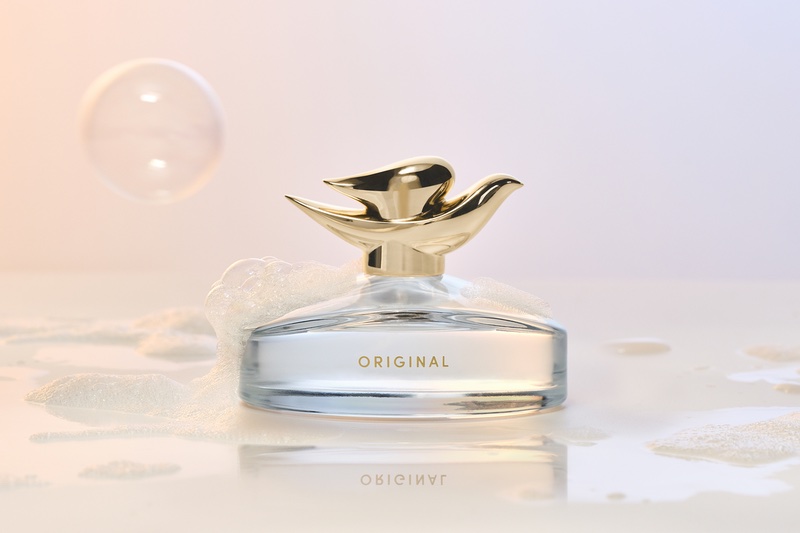
Unilever-owned Dove recently launched its first perfume, capturing the aroma of its 69-year-old Original Beauty Bar. According to Cosmetics Business, this limited-edition drop serves as a strategic marketing tool designed to reinvigorate consumer interest in the brand's core cleansing products through a physical, talk-worthy experience rather than traditional digital advertising.
Context from Industry Pulse
The beauty industry is currently navigating a complex landscape defined by massive growth and corporate restructuring. While major players like Estée Lauder Companies outline long-term growth plans following business turnarounds, and DSM-Firmenich reports volume-led sales exceeding 2.3 billion euros, legacy brands are seeking new ways to maintain market share. Recent activity, such as Coty extending its Marc Jacobs Beauty license for four decades, underscores the value of established brand equity. Dove strategy of using limited-edition drops to bolster its hero products reflects a broader industry need for focused marketing, a lesson emphasized by the 2026 Bridge Mentorship Cohort for emerging beauty labels.
"A fragrance that reminds people how much they love the smell of Dove’s Original Beauty Bar can be a powerful advertisement for the bar sitting on the supermarket shelf."
The recent release of the Dove Original Fragrance marks a significant shift in how established personal care brands approach product promotion. By bottling the scent of a cleansing bar that has existed for nearly seven decades, the brand transitioned a familiar bathroom staple into a high-demand fine fragrance. This move allowed consumers to experience a legacy product in a new format, creating a sense of novelty around a household name.
As Cosmetics Business reports, the primary value of this limited-edition launch lies in its ability to act as a physical advertisement for the brand hero products found on supermarket shelves. In a market saturated with digital noise, providing a tangible item offers a focal point for consumer attention. The strategy relies on the deep emotional and sensory connections users have with products they have known since childhood, using nostalgia to drive contemporary engagement.
This marketing approach mirrors tactics seen in other industries, such as the 2022 collaboration between Heinz and thredUP. That campaign featured ketchup-stained vintage clothing to turn a recognizable element of the food brand into a cultural talking point. Similarly, the Dove perfume was not necessarily intended to pivot the company into a full-time fragrance house, but rather to use the scarcity of a limited drop to generate buzz for its wider catalog.
According to Cosmetics Business, the fragrance sold out almost immediately, likely due to a restricted production run. This scarcity reinforces the idea that the product itself functions as a communications vehicle. By creating a high-profile moment around a familiar scent, the brand ensures that the core Beauty Bar remains relevant to modern shoppers who might otherwise overlook standard cleansing staples.
The Industry Pulse Bottom Line
Legacy brands are increasingly using high-concept, limited-edition drops to refresh consumer perception of decades-old hero products, proving that sensory nostalgia is a powerful tool for driving modern retail traffic.