Construction Sector Focuses on Upskilling and Education to Solve Skilled Labor Shortage
Industry Pulse News Desk · 2026-10-12
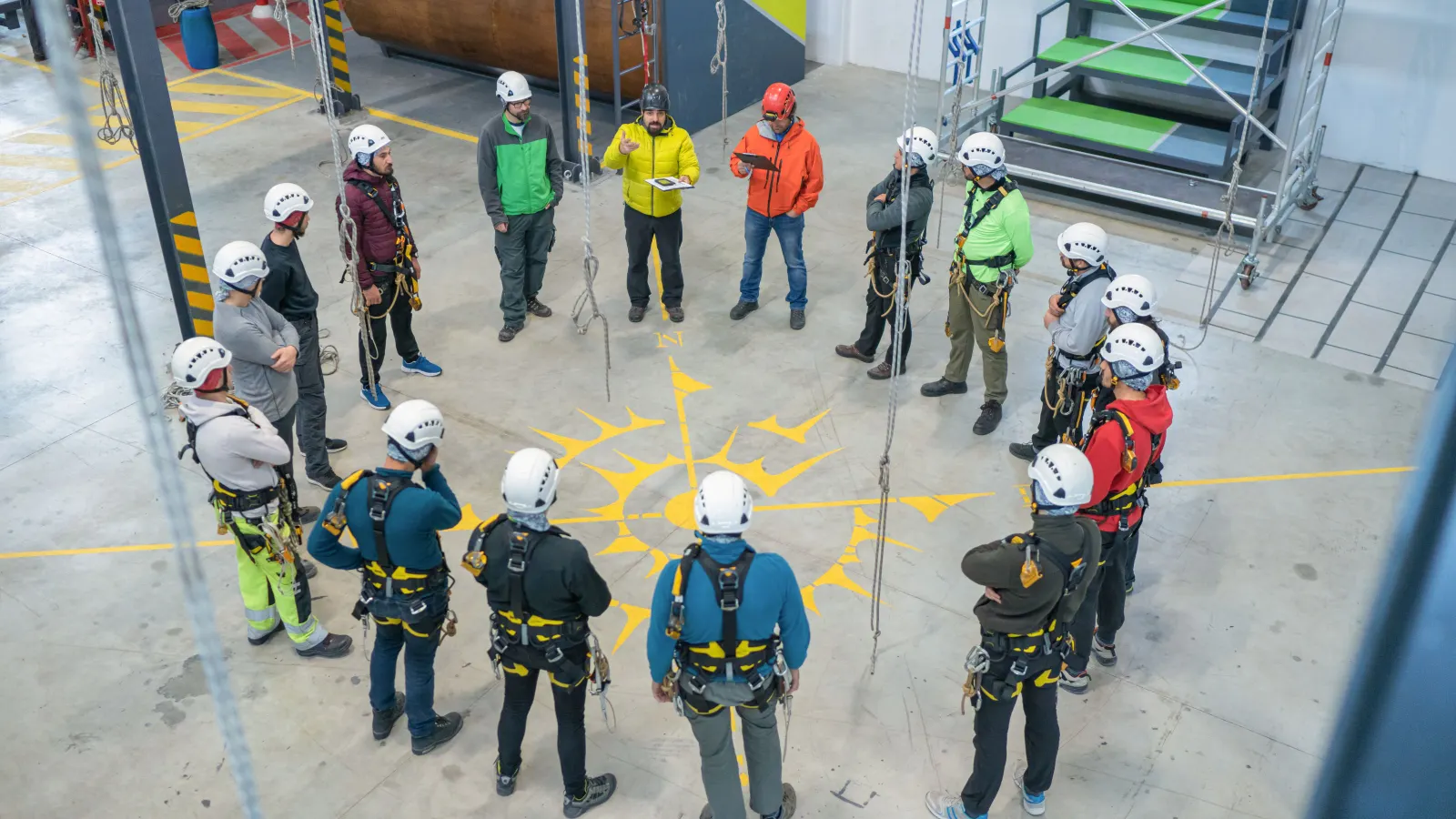
Construction leaders emphasize that solving long-term labor shortages requires employers to invest in career education and worker upskilling alongside recruitment.
Construction industry leaders are expanding efforts to address persistent labor shortages across the building sector by pairing immediate recruitment initiatives with long-term investments in vocational education and workforce upskilling.
The commercial and residential construction markets continue to contend with a significant deficit of skilled craft workers, a challenge compounded by an aging workforce and shifting demographic trends. While attracting new talent to the field remains a critical priority, industry analysts emphasize that initial hiring alone is insufficient to maintain long-term labor capacity and project schedules.
To bridge the ongoing labor gap, general contractors and trade firms are increasingly expanding internal training programs and establishing direct partnerships with regional vocational schools, high schools, and community colleges. These collaborative programs aim to introduce prospective workers to modern construction environments while establishing clear, structured pathways for career growth within the trades.
In addition to entry-level outreach, employers are prioritizing comprehensive upskilling programs for current site personnel. Expanding hands-on training in specialized equipment operation, digital project management tools, and advanced building techniques allows contractors to boost productivity while retaining experienced workers seeking career progression.
Industry stakeholders stress that the future stability of the construction workforce will rely heavily on sustained financial and operational commitments from employers nationwide. Expanding outreach efforts and modernizing trade curricula are viewed as essential steps to meeting long-term commercial and infrastructure development goals.