Construction Firms Expand Training Programs to Counter Labor Shortages
Industry Pulse News Desk · 2026-09-14
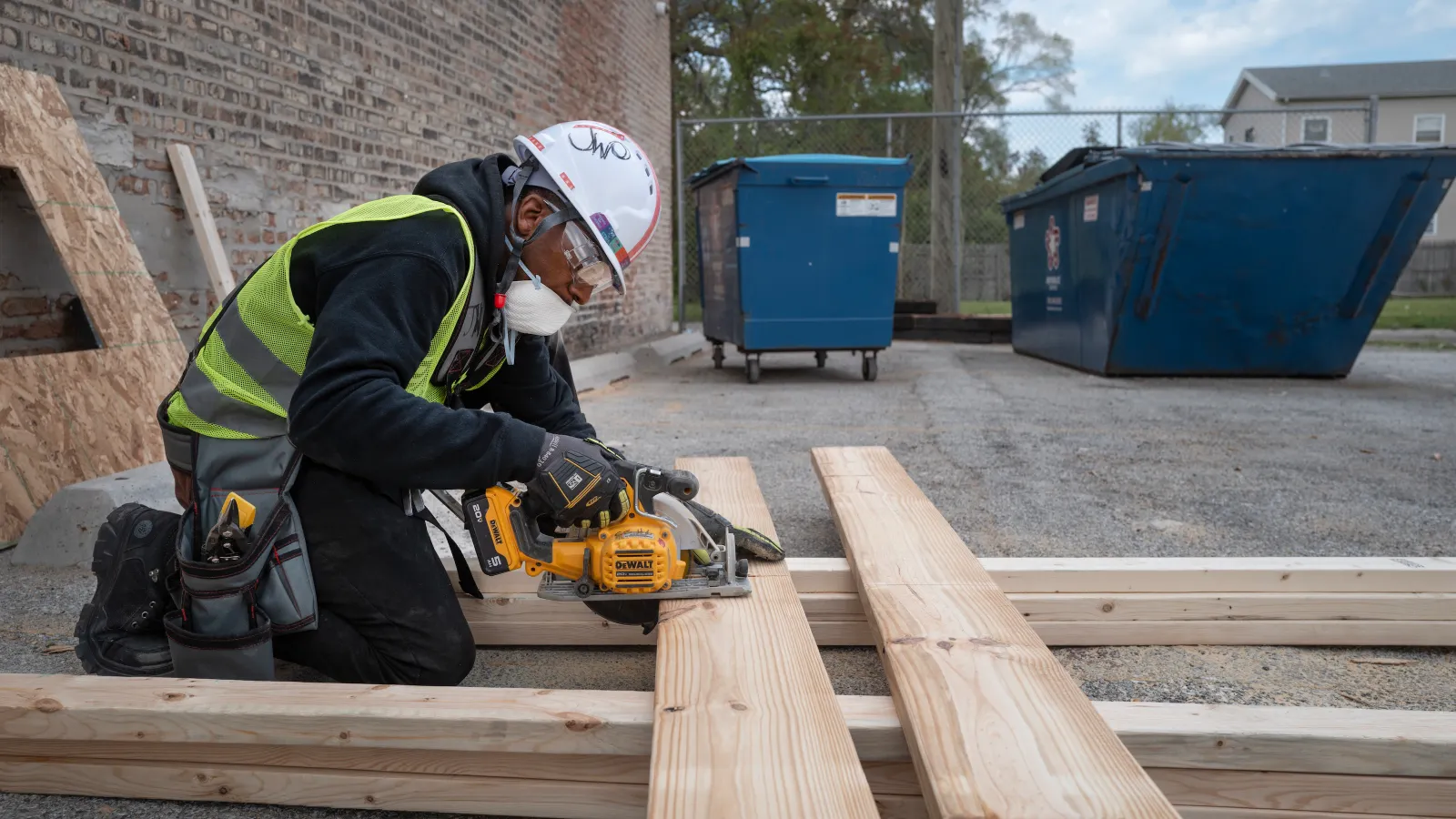
Contractors are increasing investments in workforce development and internal training to address persistent trade worker shortages and keep projects on schedule.
Construction firms across the United States are accelerating capital investments in workforce development and specialized training programs to counter ongoing labor shortages. The strategic shift comes as general contractors and subcontractors report growing difficulties in recruiting qualified trade workers to keep pace with project demand.
Industry executives outlined revised labor strategies during sector briefings this month, highlighting plans to expand apprenticeship initiatives, upskill existing personnel, and deepen partnerships with local vocational institutions. Companies are increasingly reallocating resources toward internal career pathways and retention programs rather than relying exclusively on traditional recruitment methods.
The persistent deficit of skilled labor continues to exert pressure on project schedules and operational budgets across the commercial, residential, and civil infrastructure sectors. In response, builders are introducing standardized training curricula, mentorship programs, and clear wage progression models to attract newer generations of workers to the construction trades.
Modernization efforts are also playing a central role in the revamped workforce models. Contractors are actively integrating digital tools, off-site modular construction techniques, and advanced safety equipment into their instruction protocols, aiming to maximize productivity and reduce physical strain on current job sites.
Industry leadership emphasized that long-term workforce stability will depend on sustained financial commitments to talent cultivation. With public and private infrastructure spending remaining high nationwide, construction firms that fail to build resilient talent pipelines risk project delays and diminished competitive capacity in upcoming bidding cycles.