Comprehensive Review Questions Health Benefits of High-Protein Diets
Industry Pulse News Desk · 2026-10-04
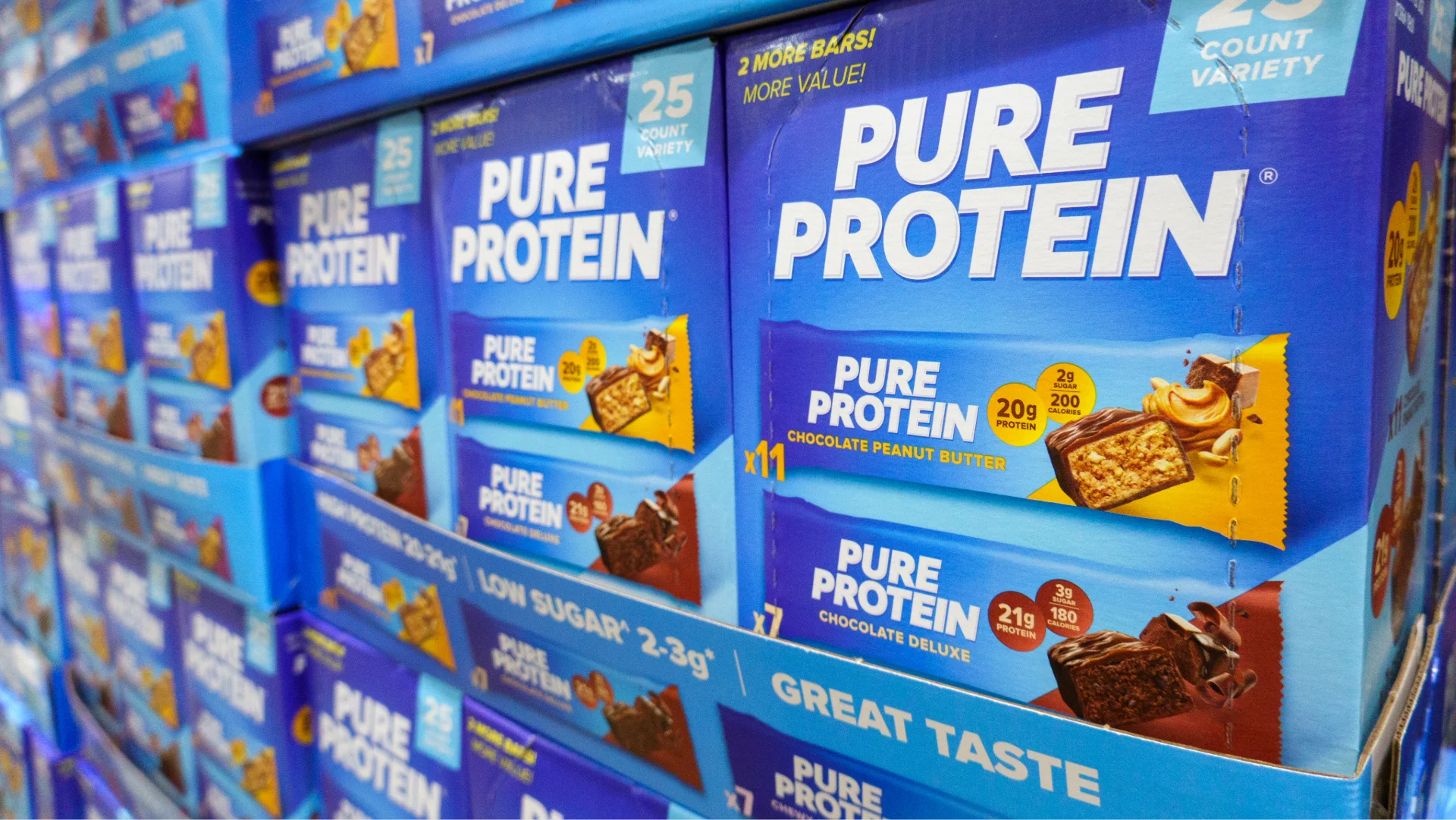
A broad analysis of more than 350 scientific studies suggests reducing protein intake may yield unexpected health benefits, challenging current dietary trends.
A comprehensive analysis reviewing more than 350 scientific studies indicates that consuming less protein may provide unexpected health advantages, disputing widespread assumptions regarding high-protein diets. The findings prompt new scrutiny over the growing consumer demand for protein-fortified foods and specialized dietary regimens.
Researchers synthesized data across hundreds of clinical and epidemiological evaluations to assess the long-term impact of varying protein intake levels. The evaluation demonstrated that lower protein consumption was associated with specific physiological benefits, counterbalancing the popular belief that higher protein intake is universally advantageous.
The insights come amidst a sustained surge in market offerings centered on high-protein claims, ranging from sports nutrition supplements to everyday packaged goods. Food manufacturers have increasingly reformulated products over the past decade to capitalize on consumer interest in protein-dense diets.
Despite the pervasive marketing of protein-dense foods, the review underscores persistent uncertainty surrounding optimal human nutritional requirements. Health researchers involved in the synthesized work emphasized that individual protein needs vary widely based on age, metabolic profile, and activity levels.
The synthesized findings are expected to inform ongoing debates among public health officials and nutritional guidance committees. Further clinical research will focus on establishing clearer thresholds regarding where protein consumption transitions from beneficial to potentially counterproductive for long-term health outcomes.