Cities Adopt Alternative Financing for Climate Resilience Amid Federal Funding Shift
Industry Pulse News Desk · 2026-09-08
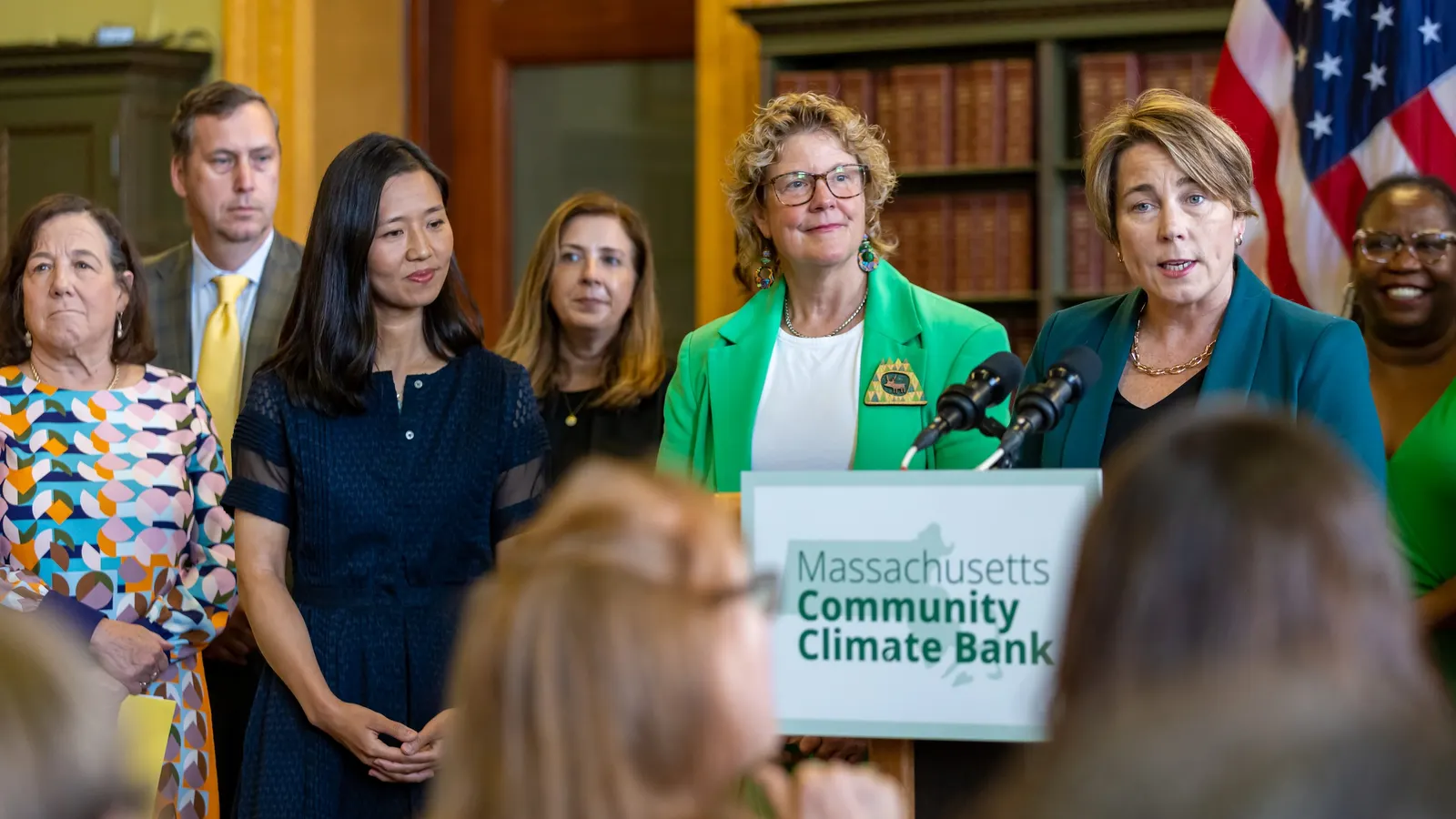
Municipalities are turning to private capital, blended programs, and local engagement to maintain extreme weather readiness as federal grants diminish.
Municipal governments across the United States are changing how they fund extreme weather defenses, deploying alternative financial instruments and blended capital structures as federal grants become smaller and less predictable for long-term planning.
Local authorities are increasingly pairing public revenue with private capital to maintain critical hazard-mitigation projects. Cities are expanding the deployment of municipal resilience bonds, specialized regional green banks, and targeted assessment districts to secure reliable capital for long-term protection against severe flooding, extreme heat events, and violent storms.
To maximize financial efficiency, municipal leaders are restructuring local programs into layered, multi-purpose initiatives. These consolidated administrative frameworks enable public works departments to combine stormwater management, energy grid stabilization, and urban canopy expansion into unified infrastructure packages rather than competing for isolated, single-issue grants.
City administrators are also expanding direct community participation to guide capital budget decisions. By pairing localized environmental risk assessments with neighborhood-level feedback, municipal planners are identifying high-vulnerability districts and directing available capital to areas facing the greatest potential for severe weather disruption.
The strategic shift comes as local officials seek to insulate long-term adaptation plans from fluctuating federal budget cycles. By establishing dedicated municipal resilience funds and regional funding networks, cities aim to maintain continuous infrastructure construction and disaster readiness regardless of ongoing shifts in federal spending priorities and grant availability.