
Digital Decay Threatens Creative Archives as Storage Hardware Fails
As digital media ages, creative professionals face a growing risk of losing their portfolios to hardware degradation and platform closures. According to Creative Bloq, consumer flash memory and SSDs can suffer data loss in as little as one year if left unpowered, contrasting sharply with the century-long durability of traditional physical film and prints.
Context from Industry Pulse
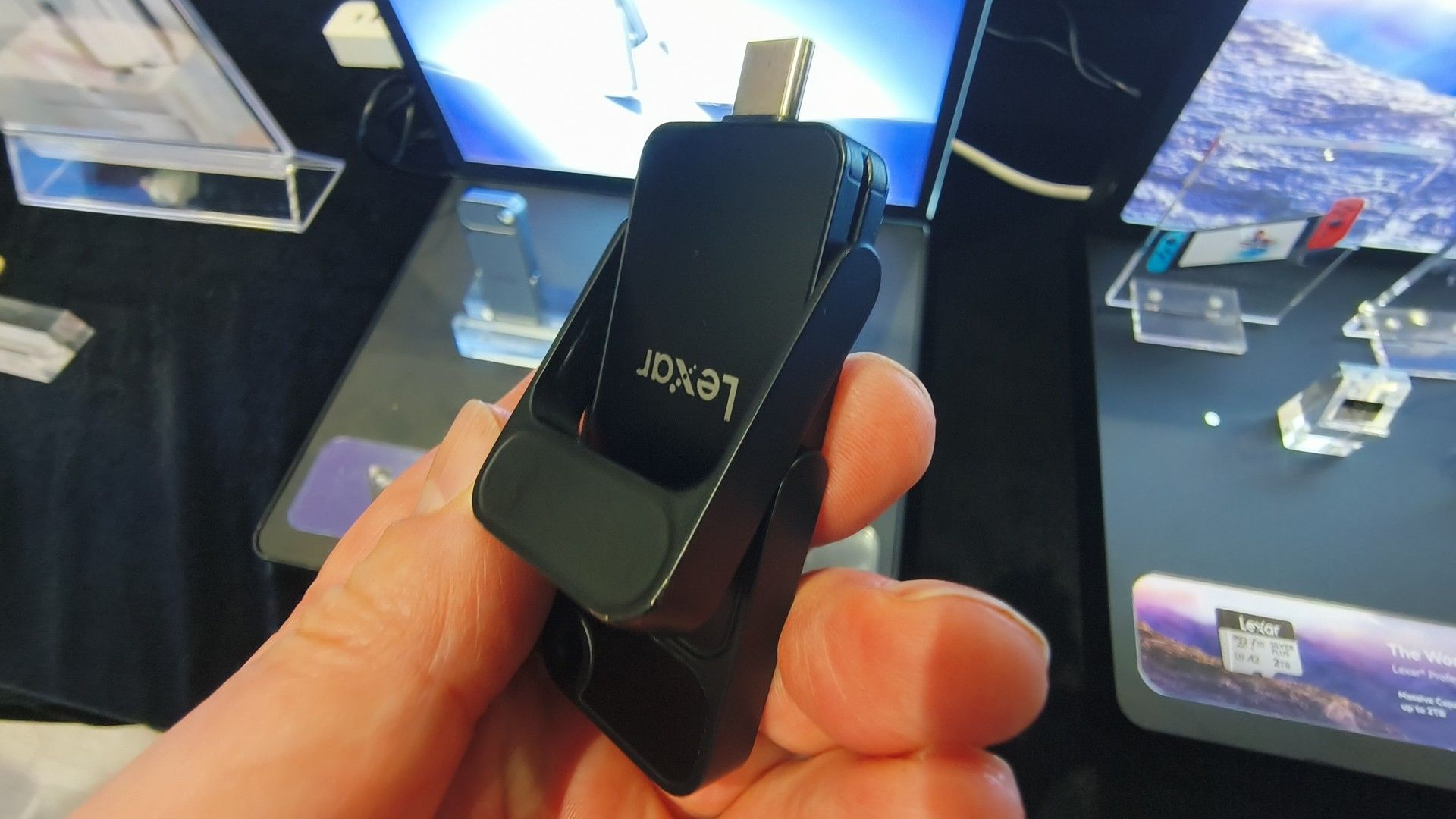
The vulnerability of digital work is underscored by the fragility of both hardware and hosting services. While memory manufacturers like Lexar are exploring hardware fixes for data rot, the current reality for designers involves a constant cycle of migration. The loss of millions of files during platform transitions, such as the MySpace server migration, demonstrates that even major tech entities struggle with data permanence. Furthermore, the rapid pace of software shifts means that formats once considered industry standards can become obsolete in less than a decade. This creates a scenario where 100-year-old physical horror film documentation is currently more accessible than interactive web designs created during the early 2010s.
The preservation of digital creativity is facing a significant crisis as common storage technologies prove less durable than their physical predecessors. While archival film and paper prints from the late 19th and early 20th centuries remain viewable today, modern digital assets are prone to rapid degradation. Creative Bloq notes that flash memory used in SSDs and consumer cards requires regular power to maintain data integrity. Without periodic activation, these devices can begin to lose information within twelve months of being stored in a drawer.
Online platforms offer little additional security for long-term archiving. A study from the Pew Research Center indicates that nearly 40 percent of web pages active in 2013 had vanished only a decade later. This digital disappearance is exacerbated by platform mismanagement, such as a server migration at MySpace that resulted in the permanent loss of approximately 50 million songs. Creative Bloq suggests that users should treat online galleries as temporary storefronts rather than permanent storage solutions.
Software obsolescence further complicates the recovery of older work. The discontinuation of specific formats, such as Adobe shuttering Flash in 2020, has rendered many projects from the early 2010s inaccessible to modern creators. This creates a technological barrier where even if the physical bits survive on a disk, the software required to interpret them may no longer exist. This phenomenon highlights a fragile ecosystem where creative history is tied to the commercial survival of specific vendors.
To mitigate these risks, experts recommend a rigorous backup strategy known as the 3-2-1 rule. This involves maintaining three separate copies of all essential work across two different types of storage media, with at least one version kept in a separate physical location. Additionally, converting final assets into open formats like TIFF, SVG, or PDF/A increases the likelihood that files will remain readable by future operating systems. Ultimately, physical printing remains one of the most reliable methods for ensuring a creative legacy survives for the next century.
The Industry Pulse Bottom Line
Designers must move beyond a set-and-forget mentality. Reliable archiving now requires active maintenance, including powering up drives quarterly and utilizing open formats to prevent a total loss of the current era's creative history.