
Tesla Pivots to Autonomous Fleet as Cybertruck Manufacturing Winds Down
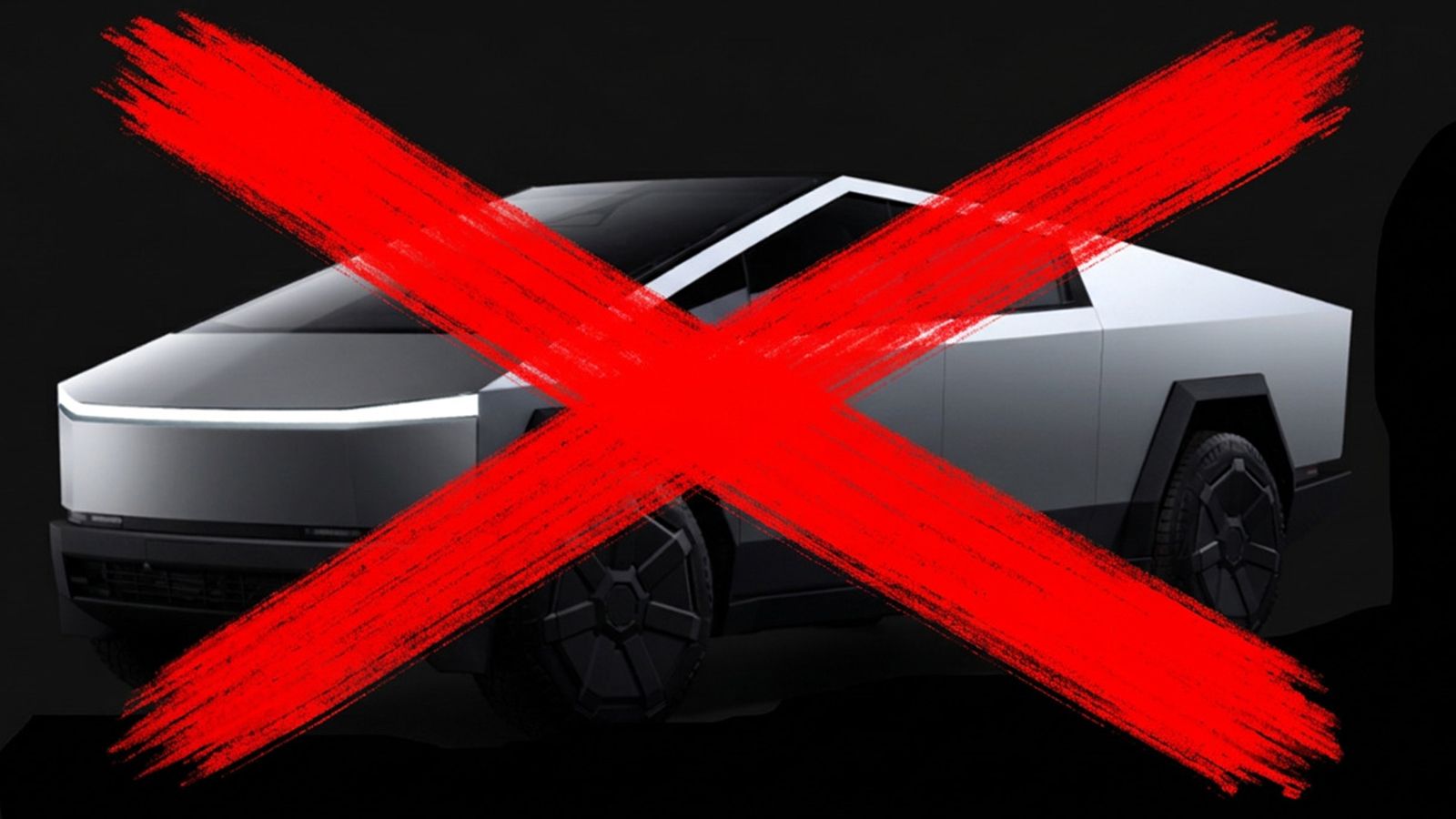
Tesla is preparing to scale back production of the Cybertruck at its Texas Gigafactory by mid-2027 to prioritize the Cybercab robotaxi, according to Creative Bloq. Despite Elon Musk’s initial goal of selling 250,000 units annually, the vehicle has faced significant manufacturing hurdles and a sharp decline in sales over the last year.
Context from Industry Pulse
The decline of the Cybertruck highlights the tension between avant-garde automotive design and the practicalities of mass manufacturing. Creative Bloq suggests the vehicle’s failure to adhere to European safety standards and its persistent mechanical recalls, such as the accelerator pedal issue, undermined its positioning as a rugged utility vehicle. While the stainless-steel exterior was intended to project durability, it created significant finishing headaches for the factory. As Tesla transitions to the Cybercab, it faces the challenge of proving that its next generation of autonomous vehicles has moved past the design disasters and engineering flaws that characterized the short-lived Cybertruck era.
Tesla is shifting its manufacturing focus away from its unconventional pickup truck to accommodate the ramp-up of its autonomous Cybercab. As Creative Bloq reports, the Texas Gigafactory is currently the only facility known to possess the specialized equipment required to produce the Cybertruck’s unique stainless-steel components. This transition suggests a strategic pivot toward artificial intelligence and robotics as the company repurposes its main production hub.
The vehicle has struggled with a series of high-profile design and engineering setbacks since its initial 2019 unveiling. Creative Bloq notes that early demonstrations were marred by shattered windows, while subsequent production models were plagued by mechanical issues. Documented problems include braking failures, handling inconsistencies, water leaks, and exterior panels becoming detached. These functional flaws were compounded by a heavy, angular build that failed to meet pedestrian safety regulations in the European market.
Market performance for the vehicle has also trended downward. Data cited by Creative Bloq indicates that US sales fell to approximately 20,000 units in 2025, representing a 48 percent decrease from the previous year. This suggests that the futuristic aesthetic and aggressive branding did not translate into sustained consumer demand. The high price point, which shifted significantly from early promises, further limited the truck's appeal to a niche audience.
While the company has not officially confirmed the permanent discontinuation of the line, the decision to prioritize the two-seat Cybercab signifies a change in direction for the brand. Creative Bloq highlights that the move marks the end of a polarizing design era characterized by experimental materials and sci-fi-inspired geometry. Tesla now appears focused on integrating its fleet into a broader ecosystem of autonomous transportation and service-oriented robotics.
The Industry Pulse Bottom Line
Tesla’s shift toward the Cybercab marks a strategic retreat from high-maintenance experimental designs toward a focused AI-driven future, prioritizing autonomous fleet scalability over niche, hardware-intensive consumer vehicles.