
Rockstar Games Blurs Reality With Parody Brand Marketing for Grand Theft Auto VI
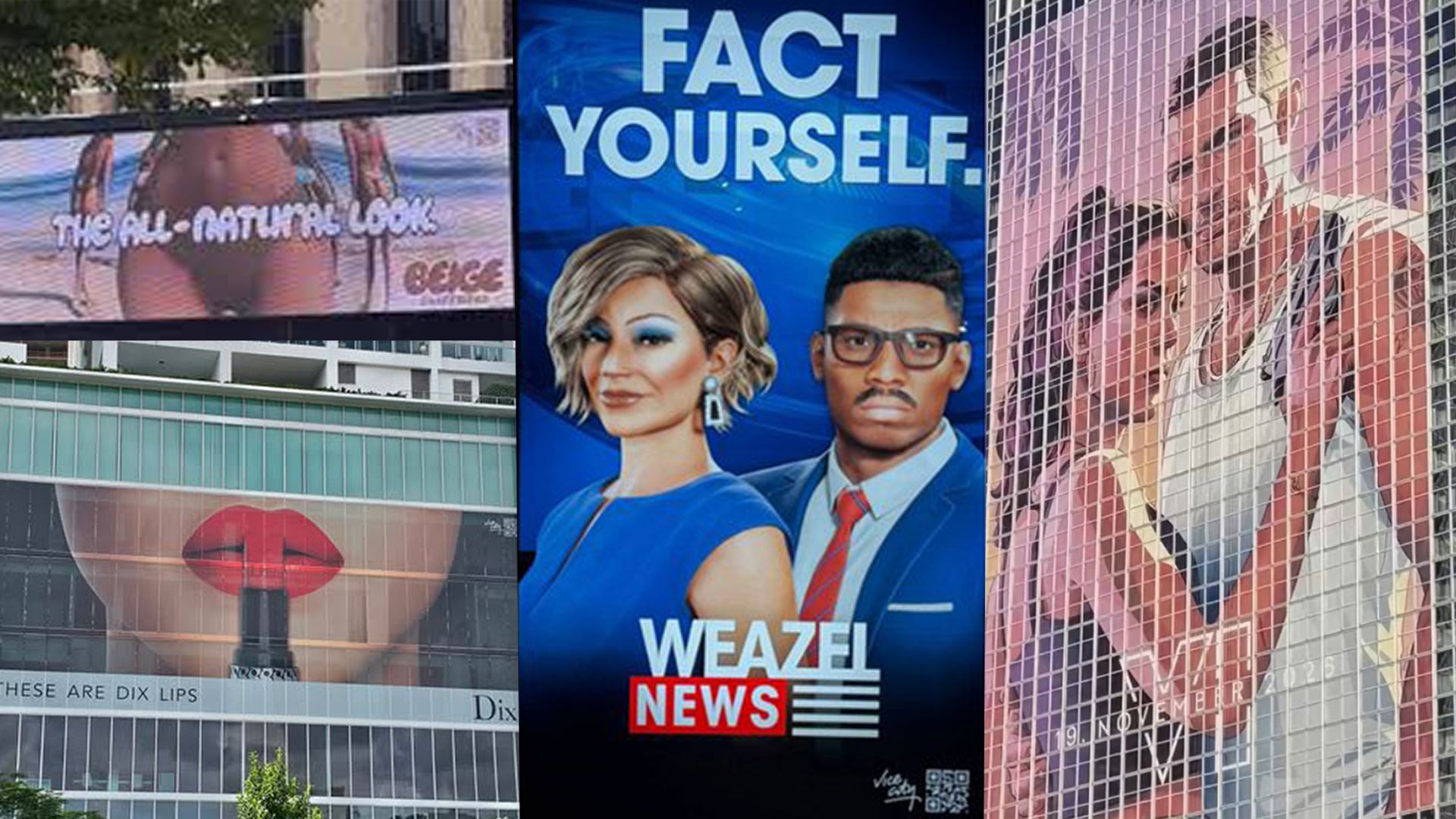
Rockstar Games has launched an unconventional advertising campaign for Grand Theft Auto VI, utilizing fictional parody brands to build anticipation. According to reporting from Creative Bloq, the publisher is deploying billboards and digital kiosks for in-game companies across Miami, Florida, choosing to highlight the satire and atmosphere of Vice City rather than traditional gameplay mechanics.
Context from Industry Pulse
The Grand Theft Auto VI marketing strategy represents a departure from standard industry practices by prioritizing atmosphere over mechanics. While many publishers rely on gameplay snippets to drive pre-orders, Rockstar Games is leveraging its proprietary lore to create a transmedia experience. The placement of fake brands like Kronos and Kowalski in high-traffic areas of Miami serves to anchor the fictional Vice City in reality. This approach capitalizes on the franchise's reputation for cultural commentary, using estimated promotional budgets of 200 to 300 million dollars to transform a major metropolitan area into a living extension of the game’s satirical universe.
Rockstar Games is intensifying its promotional efforts for Grand Theft Auto VI as the title approaches its release on PS5 and Xbox. While the marketing blitz includes standard key art featuring protagonists Lucia Caminos and Jason Duval, the most distinctive elements are the real-world advertisements for fictional products. Creative Bloq reports that these placements have appeared on bus wraps, billboards, and digital kiosks, specifically targeting Miami, which serves as the real-world inspiration for the game setting of Vice City.
These advertisements mirror the game's long-standing tradition of biting social satire and consumerist parody. Rather than showing missions or gameplay, the campaign features brands that lampoon real-world corporations. Examples include Vice City Narcos, which parodies the Miami Heat, and Beige Shapewear, a spoof of the brand SKIMS. Other placements featured in the city include Crowex watches and Dix makeup, which utilize double entendres and suggestive slogans to communicate the specific tone of the franchise.
According to Creative Bloq, this strategy serves multiple purposes for the developer. For established fans, the appearance of familiar names like Ammu-Nation or eCola acts as a series of inside jokes that deepen immersion. For newcomers, the bizarre nature of the products generates curiosity and conversation without the fatigue often associated with traditional game trailers. The campaign has even extended to physical locations, with fictional fast-food chains like Burger Shot and Cluckin' Bell appearing at the Miami Heat’s Kaseya Center.
The scale of this promotional cycle is significant, with Creative Bloq noting that total global marketing costs could reach up to 300 million dollars. By avoiding standard product placement and focusing on world-building, Rockstar is effectively turning its fictional setting into a cultural event. The use of QR codes on some kiosks allows for a digital connection to the game while maintaining the illusion of a living, satirical world.
The Industry Pulse Bottom Line
Rockstar’s use of parody brands proves that world-building can be as effective as gameplay footage for high-anticipation releases, fostering community engagement through social satire and mystery rather than traditional feature lists.