
Nintendo Details Artistic and Gameplay Shifts for Ocarina of Time Remake
Nintendo developers have shared new insights into the upcoming The Legend of Zelda: Ocarina of Time remake for the Switch 2. According to Creative Bloq, the project balances modernized visuals with a puppet-show aesthetic while introducing specific mechanical updates like a dedicated jump button and voiced cutscenes to the 1998 classic.
Context from Industry Pulse
The decision to prioritize a puppet-show aesthetic over pure realism highlights a strategic move by Nintendo to maintain brand identity across generations. By utilizing the Switch 2's hardware for texture depth and lighting rather than photorealism, the studio preserves the quirky character designs that defined the N64 era. The removal of proposed warp points suggests that the developers view the specific friction of 1990s world-traversal as a foundational element of the Ocarina experience. This remake functions not only as a commercial product but as an educational tool for a new generation of developers to study the structural mechanics of a landmark industry title.
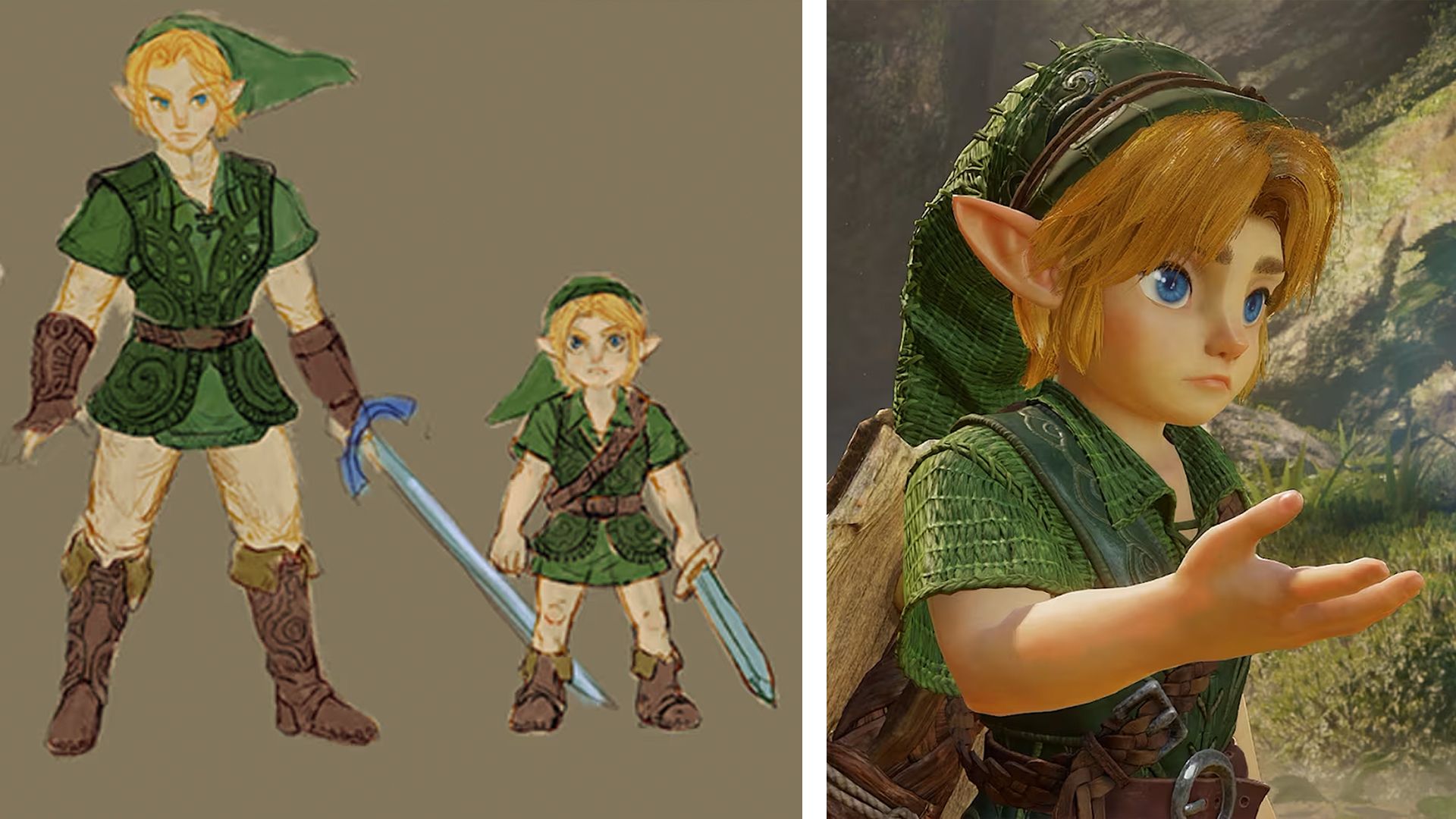
The upcoming remake of The Legend of Zelda: Ocarina of Time for the Nintendo Switch 2 represents a significant technical leap from the original 1998 hardware. As Creative Bloq reports, the development team focused on a specific visual philosophy described as an analog feel similar to practical effects films or puppet shows. This approach allowed the designers to utilize the superior power of the new console without losing the stylized charm of the N64 era. Art director Aya Shida noted that the team even researched historical weaving techniques and created physical fabric samples to ensure that character costumes felt authentic and handmade.
Environmental design has also seen a major overhaul. While the geography remains faithful to the original map, the environments now feature advanced lighting and high-resolution textures. According to Creative Bloq, these details range from individual stitches on clothing to specific wood grain patterns in the scenery. The goal was to build a world dense enough to feel real while maintaining the recognizable silhouettes and vibrant colors that players have associated with the franchise for nearly three decades.
Gameplay mechanics faced similar scrutiny during production. Producer Eiji Aonuma revealed that the team considered implementing a modern warp point system similar to Breath of the Wild to replace the original games reliance on forward rolling for faster travel. However, Creative Bloq notes that this feature was ultimately discarded because it disrupted the core structure of discovery that defines the title. Instead, the remake will retain the traditional exploration flow but add a new dedicated jump button, replacing the automatic hopping mechanic found in the original version.
Beyond just updating a classic, the project serves as a training ground for current Nintendo staff. Eiji Aonuma explained that by rebuilding the title from the ground up, the modern development team can gain a deeper understanding of the series foundations. This internal knowledge transfer is intended to inform the design of future Zelda entries as the franchise approaches its 40th anniversary. The game is currently scheduled for release on November 5, 2026, featuring enriched dialogue and fixes for legacy technical issues.
The Industry Pulse Bottom Line
Nintendo is leveraging the Ocarina of Time remake to bridge technical modernization with legacy design, ensuring the core exploration loop remains intact while using the project to solidify the development team’s grasp of franchise fundamentals.