
Production Designer Christopher Glass Discusses Career Milestones and Creative Discipline
Award-winning production designer Christopher Glass recently shared insights into his professional trajectory, ranging from his work on major film franchises to his specific industry frustrations. As Creative Bloq reports, Glass credits a trial-by-fire approach for his career development while maintaining a practical perspective on production design in an era increasingly influenced by artificial intelligence.
Context from Industry Pulse
The career of Christopher Glass illustrates the current demand for designers capable of navigating both the advertising and entertainment sectors. His work for Apple and Microsoft alongside major Marvel and Disney productions demonstrates how visual storytelling remains a central pillar for both consumer technology marketing and cinematic world-building. Furthermore, his preference for practical methods arrives at a time when the industry is grappling with the integration of AI tools. By emphasizing a hands-on, often reactive learning process, Glass represents a subset of industry veterans who prioritize experiential knowledge over standard industry guidance to maintain authenticity in increasingly digital production environments.
"I’ve ignored most advice and learned by fire. I can’t say that’s the best for everyone. It’s made me who I am, for better or for worse."
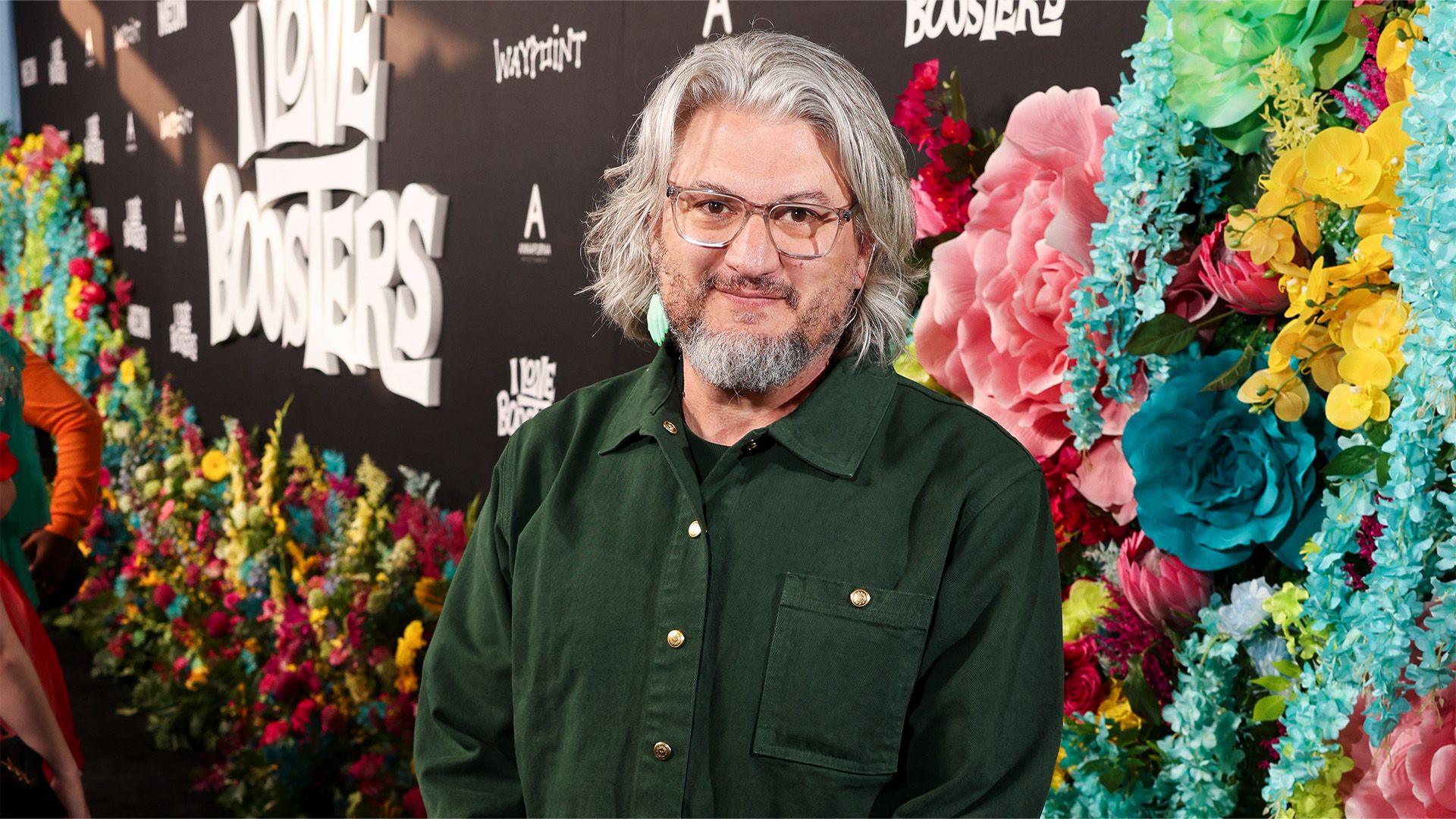
Christopher Glass has established a versatile portfolio that bridges the gap between high-budget cinematic storytelling and global brand advertising. According to Creative Bloq, his filmography includes notable projects such as The Jungle Book, Ms Marvel, and Batgirl. Most recently, he contributed his design expertise to the Boots Riley production I Love Boosters. These diverse credits have earned him industry recognition, including a Gold Cannes Lion and two Art Directors Guild awards.
Beyond the film industry, Glass has applied his visual style to campaigns for several of the world’s most recognizable technology and consumer brands. Creative Bloq notes that his commercial collaborations include work for Apple, Microsoft, Coca-Cola, and Mercedes-Benz. This cross-sector experience has informed a design philosophy that favors practical application over traditional academic or professional advice, which he admits to largely ignoring throughout his rise in the industry.
Despite his professional accolades, Glass describes experiencing imposter syndrome during high-level industry events. Creative Bloq highlights a specific instance during the Production Designers Collective Gathering in Greece, where Glass felt out of place among his own creative heroes. He views these moments as part of a larger career journey that he would title Falling Up Stairs in an autobiography, suggesting a path defined by unconventional progression rather than a strictly linear ascent.
His attention to detail extends to specific frustrations regarding the arrangement of physical environments. Creative Bloq reports that one of his primary creative irritations involves set dressers who position literature and periodicals at unnatural angles on surfaces. This focus on realistic placement reflects his broader commitment to a grounded, functional aesthetic. To maintain creative vitality, he encourages peers to engage in as many varied activities as possible outside of their professional design duties.
The Industry Pulse Bottom Line
Glass’s success highlights the value of cross-disciplinary experience. His ability to move between corporate branding and film production proves that a practical, trial-by-fire approach can yield elite industry recognition.