
Apple Rumored to Consolidate Action Button and Camera Control on Future iPhones
Reports from leaker Instant Digital indicate that Apple may eliminate the dedicated Action Button in upcoming iPhone iterations. As Creative Bloq reports, the tech giant is expected to merge existing quick-action functionalities into the touch-sensitive Camera Control interface, potentially streamlining the hardware layout while removing the tactile haptic feedback of a physical button.
Context from Industry Pulse
The rumored removal of the Action Button follows a broader pattern of hardware consolidation within the creative technology sector. While Creative Bloq reports that users value the tactile reliability of physical toggles for features like the flashlight and silent mode, Apple appears focused on expanding the utility of its new touch-sensitive Camera Control. This move coincides with other industry shifts toward streamlined mobile workflows, such as Wacom providing more affordable iPad alternatives and the release of massive free 3D asset libraries to lower barriers for content creators. Apple's potential pivot suggests a future where physical inputs are secondary to gesture-based multi-functional surfaces.
"Reports suggest this feature will soon be merged with Camera Control, supposedly streamlining these quick actions under one touch-sensitive roof."
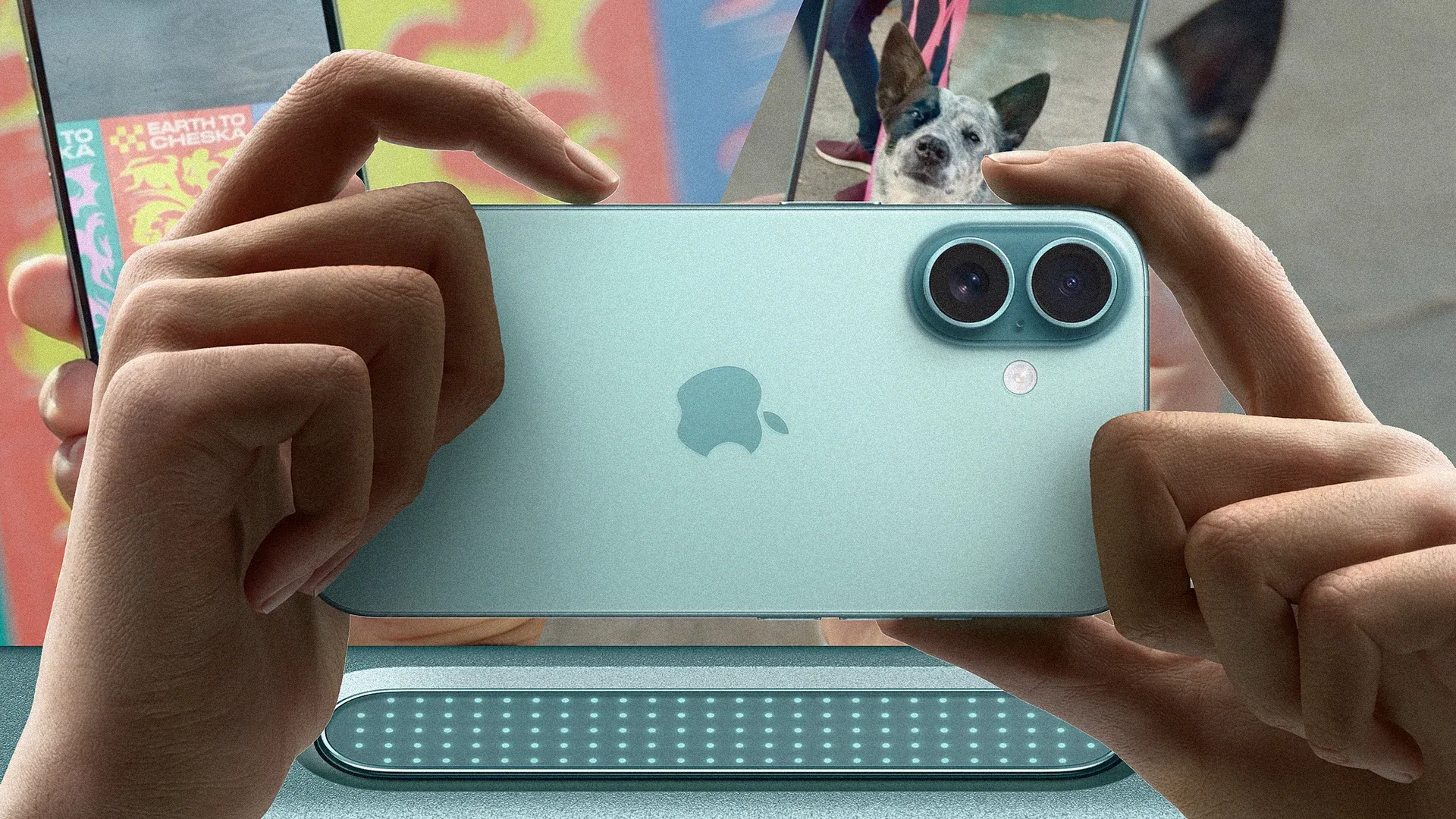
Industry leaks suggest a significant shift in Apple's hardware design philosophy as the company considers phasing out the physical Action Button introduced with recent smartphone generations. According to Creative Bloq, the proposed change would see the functions currently assigned to the Action Button moved to the newer Camera Control interface. This merge would consolidate multiple inputs under a single touch-sensitive surface, altering how users interact with their devices for daily tasks.
The Action Button currently serves as a versatile shortcut for various system features. As Creative Bloq notes, users often rely on this physical toggle to manage silent mode, activate the flashlight, trigger voice memos, or engage specific focus modes. The potential transition to a consolidated touch-sensitive control represents a move toward a more streamlined aesthetic, though it may sacrifice the distinct tactile response that some users prefer for immediate adjustments.
The Camera Control feature, which debuted on the iPhone 16 series, was designed to provide a sophisticated interface for mobile photography, including scrolling zoom capabilities and touch-sensitive pressure points. Creative Bloq indicates that while this technology was marketed for its efficiency, some users find the touch mechanics less intuitive than traditional physical buttons, particularly in high-activity environments where precise swipes are difficult to execute.
This design evolution reflects Apple's historical tendency to remove dedicated hardware components in favor of integrated digital or touch-based solutions. As Creative Bloq highlights, this shift mirrors the previous removal of the Home Button, which initially met with user hesitation before becoming the industry standard. The integration of quick actions into the camera interface marks the next step in reducing the number of external physical interruptions on the device chassis.
The Industry Pulse Bottom Line
Apple’s move to consolidate hardware inputs suggests a prioritization of minimalist aesthetics over physical feedback, forcing users to adapt to touch-sensitive gestures for essential system shortcuts.