
Adobe Unveils Project Link Up to Automate Vector Perspective and Style
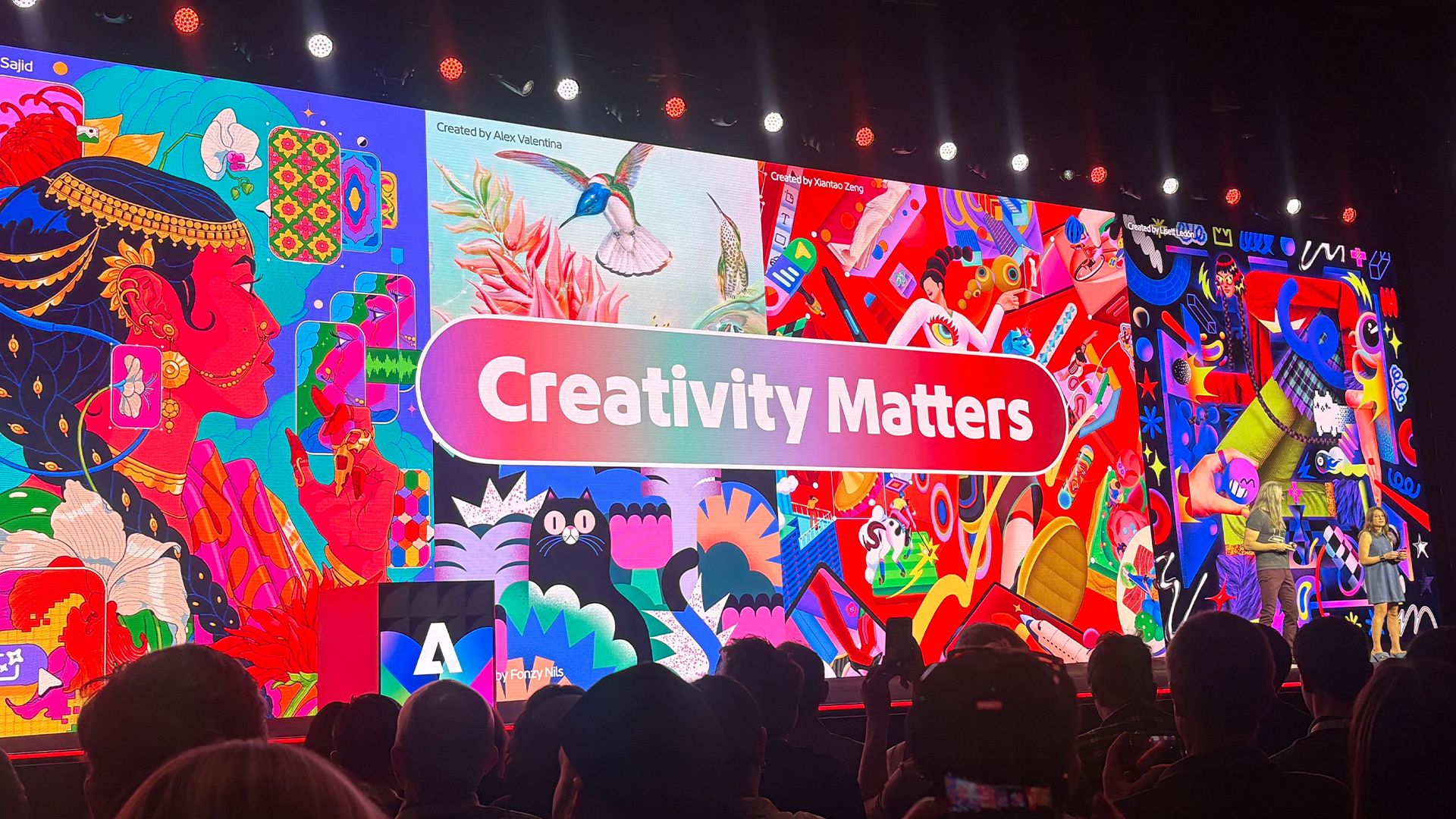
Adobe recently showcased Project Link Up at its annual MAX conference. As Creative Bloq reports, this experimental tool aims to eliminate the tedious process of manually redrawing vector assets by using context-aware automation to match perspective and lighting during the simple act of dragging objects into a scene.
Context from Industry Pulse
The introduction of Project Link Up signals a strategic move toward intent-based design tools. By shifting the focus from manual coordinate placement to context-aware integration, Adobe is addressing a long-standing efficiency gap in vector workflows. The research led by Hailin Jin suggests that the future of creative software lies in tools that understand the spatial and stylistic relationships between individual assets. This development aligns with broader industry efforts to automate high-effort, low-reward tasks like redrawing perspective, allowing artists to iterate on complex compositions in real-time. By keeping the output as editable vectors, the brand maintains its appeal to professional designers who require granular control over automated suggestions.
The current workflow for illustrators and concept artists often stalls when assets must be manually adjusted to fit the geometry of a new environment. According to reporting by Creative Bloq, Project Link Up seeks to transform the basic drag-and-drop gesture into a sophisticated creative action. Instead of merely moving an object to a new coordinate, the software interprets the designer’s intent by analyzing the surrounding scene to automatically align perspective and scale.
Research led by Adobe senior principal scientist Hailin Jin focuses on reducing the friction that occurs when combining disparate visual elements. Creative Bloq notes that the tool is designed to recognize the relationships between objects, allowing users to place an item like a car into a specific parking space while the software handles the complex transformation of viewing angles. This shift aims to free creatives from repetitive technical chores so they can focus on high-level composition.
Control remains a central component of the prototype through a specialized creativity slider. This feature allows designers to decide exactly how much the software should alter the original asset. Creative Bloq explains that this parametric control ranges from subtle adjustments that preserve the original form to more expressive transformations that fully adopt the host scene’s aesthetic. Importantly, the resulting output remains in a fully editable vector format, ensuring that professionals can continue to refine the work manually after the initial placement.
Beyond simple geometry, the tool incorporates prompt guidance to manage stylistic differences between elements. As Creative Bloq reports, users can specify whether an object should blend into the illustration style of the background or maintain its unique character while only adapting to the local lighting and perspective. This approach views the software as an assistant that understands content rather than just a passive interface for pixel or vector manipulation.
The Industry Pulse Bottom Line
Project Link Up represents a shift toward semantic design tools where simple gestures communicate complex creative intent, potentially ending the era of manual perspective redrawing for vector illustrators.