
Political Ad Surge Drives Connected TV Costs Up 25 Percent Ahead of Holiday Season
Recent political advertising during the midterm election cycle triggered a significant pricing squeeze on Connected TV platforms, according to Campaign US. Data from adtech firm Simpli.fi indicates that midsize brands faced steep competition for inventory, forcing marketers to navigate CPM spikes of more than 25 percent in the weeks leading up to Black Friday.
Context from Industry Pulse
The recent midterm cycle highlights a structural shift in the advertising landscape where political spending is no longer confined to four-year presidential intervals. According to Campaign US, organizations are increasingly directing steady funding into advocacy campaigns, ensuring that pricing pressure remains a factor even in off-cycle years. This constant influx of capital creates a more predictable, yet persistently expensive, environment for small and midsize brands. The sharp drop in spending immediately following Election Day serves as a unique market reset, distinguishing political cycles from traditional retail seasons that often overlap. Marketers must now account for regional spikes in battleground states as a standard variable in their annual media planning.
"We’re seeing the ebbs and flows of political spend becoming a regular part of the cycle that advertisers need to keep in mind."
Connected TV inventory experienced the most significant pricing volatility during the recent midterm election cycle. Reports from Campaign US indicate that cost-per-thousand rates climbed by at least 25 percent. This inflation affected both platforms that accept political messaging and those that prohibit it, such as Netflix and Amazon Prime. The price increases on non-political channels were driven by commercial advertisers migrating away from traditional political battlegrounds, which heightened competition elsewhere.
Simpli.fi executives observed that brands did not halt their spending despite the unfavorable pricing environment. Instead, marketers maintained their Black Friday planning while adjusting their channel allocations. Industry experts suggest that the previous distinction between presidential and midterm impact is fading, with political spending now becoming a permanent fixture in the annual advertising calendar that requires year-round strategic consideration.
Marketers are encouraged to maintain budget flexibility rather than exiting channels when prices rise. Campaign US notes that successful strategies involved allowing CPMs to float from standard rates to higher tiers as long as incremental lift remained consistent. Advertisers often reduced their Connected TV budget share from 40 percent down to lower levels while reallocating those funds to more cost-effective alternatives to maintain reach.
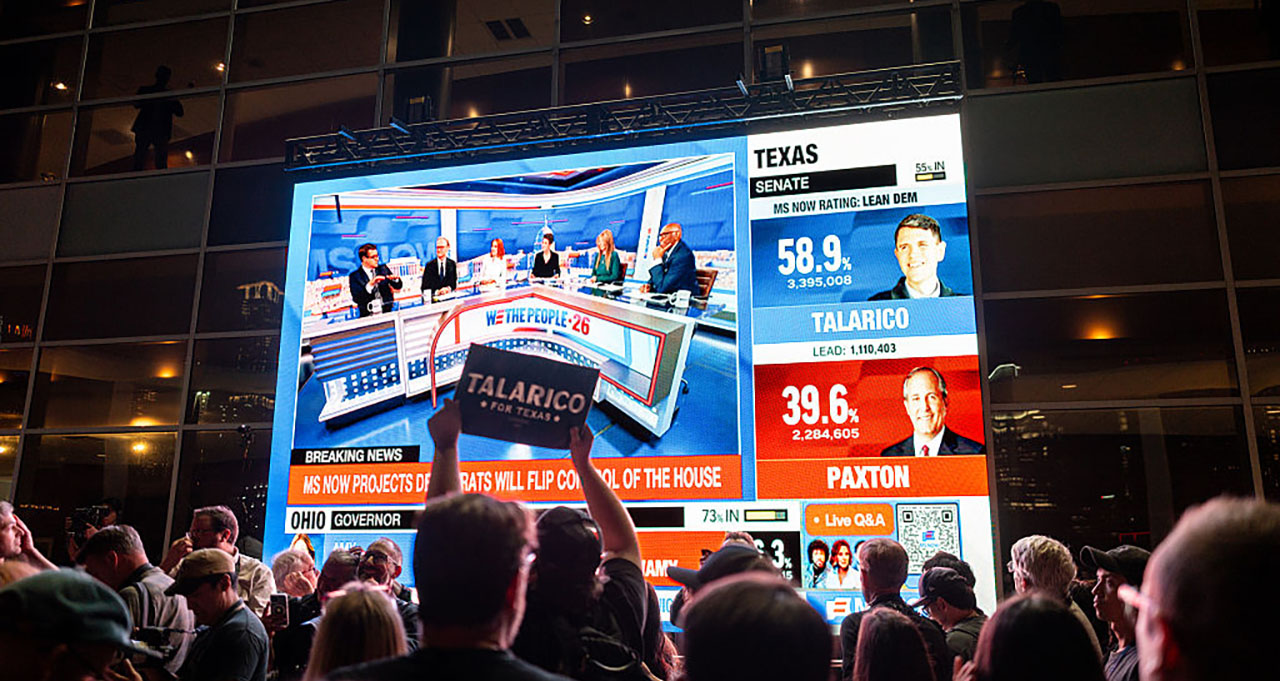
Geographic factors played a major role in the recent pricing surge. Battleground states including Georgia, Michigan, Ohio, Texas, and California saw the most intense competition for digital inventory. While some high-profile campaigns failed to deliver expected results, the overall volume of spending created a distinct market cliff that ended abruptly on Election Day, allowing commercial brands to rapidly pivot back to holiday-focused messaging.
The Industry Pulse Bottom Line
To survive political price surges, brands must adopt dynamic budget allocations that prioritize incremental lift over fixed channel percentages, ensuring holiday campaigns remain viable despite temporary CPM spikes in Connected TV.