
Instagram Launches Features to Support 90-Minute Horizontal Long-Form Video Content
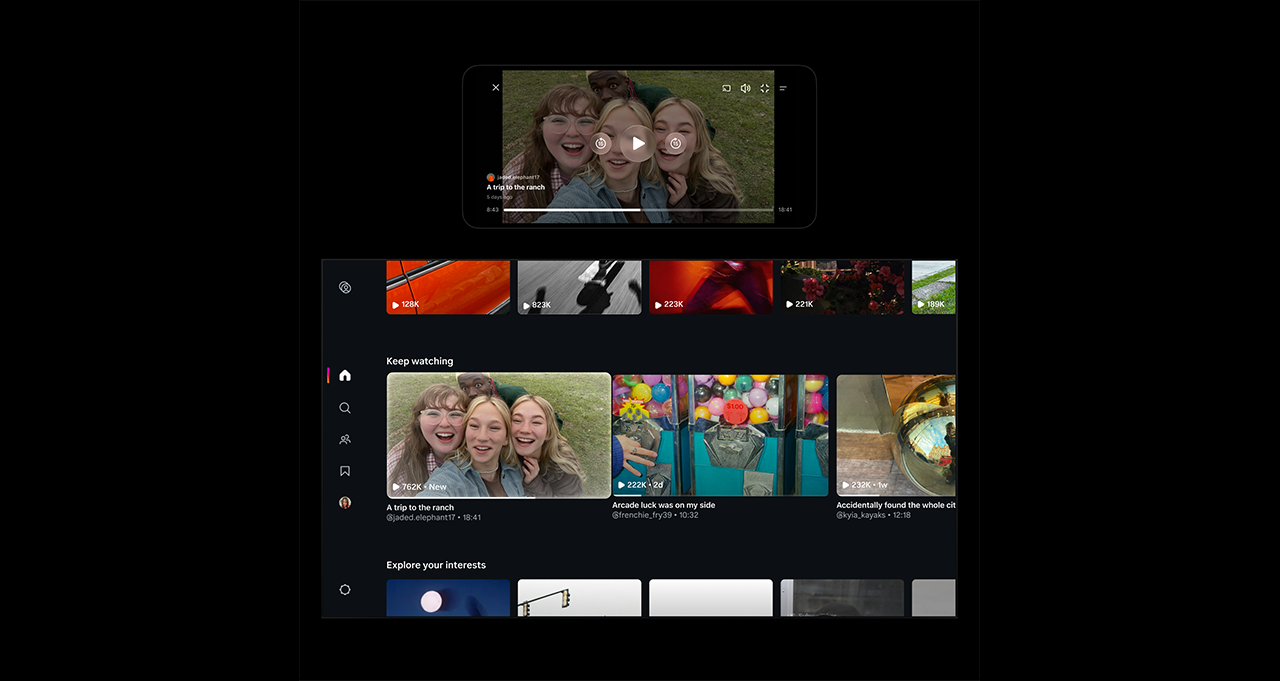
Meta is expanding Instagram’s video capabilities through a new product called Features, which allows select creators to upload horizontal videos lasting up to 90 minutes. As reported by Campaign US, the tool targets podcasters and comedians while signaling the platform's long-term ambition to establish a stronger presence in the connected television market.
Context from Industry Pulse
The introduction of Features represents Instagram's attempt to close the gap with YouTube by capturing longer viewer sessions. By moving into horizontal, 90-minute territory, Meta is positioning Instagram as a legitimate competitor for connected TV ad dollars. However, the lack of a native ad-revenue sharing model at launch creates a significant barrier to entry for professional creators who already benefit from established payout structures elsewhere. While the mobile-first nature of the app remains its core, the push for longer content suggests a pivot toward becoming an all-in-one entertainment hub where social interaction and professional long-form broadcasting converge for better data collection and social commerce conversion.
Instagram has begun a limited rollout of a new video format titled Features, inviting high-profile U.S. creators to test horizontal uploads of significant length. According to Campaign US, the test includes participants such as Emma Grede and Monet McMichael. This move marks a strategic departure for the platform, as leadership previously focused primarily on short-form content to maintain social connectivity among users. The new format is designed to exist alongside Reels and Live, creating a more comprehensive video ecosystem.
The initiative serves as a bridge toward expanded distribution on television screens. As Campaign US reports, Meta aims to enhance its Instagram for TV offering by providing high-quality, long-form content suitable for living room viewing. This strategy allows the company to capture more data on consumer behavior and social commerce, potentially enabling users to shop directly from their televisions while watching their favorite creators.
Industry experts note that the success of this format depends heavily on how Meta handles creator compensation. Currently, the platform lacks a formal revenue-sharing model similar to the one offered by YouTube. Campaign US reports that without direct payouts from Meta, creators are likely to use the tool for cross-posting existing intellectual property rather than developing original exclusive content. Early monetization will likely rely on individual brand sponsorships and integrated product placements.
For marketers, the shift toward longer durations offers a way to build deeper community relationships that short-form clips cannot always sustain. Campaign US indicates that agencies are viewing this as an opportunity for full-funnel marketing strategies. By occupying more of the user journey from discovery to long-term engagement, Instagram hopes to compete more directly for the advertising budgets typically reserved for established video platforms and traditional television environments.
The Industry Pulse Bottom Line
Instagram is evolving into a full-funnel video platform, but its long-form success hinges on whether Meta can implement a competitive monetization structure to lure creators away from YouTube's dominant revenue-sharing model.