
Retailers Demand Consumer Data and Collaboration Before Granting Shelf Space
Brands are increasingly integrating retailers into the product development process to secure physical shelf space, according to Campaign US. As ecommerce accounts for less than 17 percent of total retail sales, companies like Tilray Wellness are leveraging real-time consumer research and co-collaboration strategies to ensure their marketing efforts translate into in-store conversions.
Context from Industry Pulse
The shift toward collaborative product development highlights a growing tension between digital hype and retail reality. While digital marketing platforms often dominate industry discourse, the reliance on physical retail for nearly 84 percent of U.S. sales forces brands to treat store buyers as primary stakeholders. According to Campaign US, retailers are leveraging their gatekeeper status to demand more rigorous proof of concept before dedicating shelf space. This environment favors brands that can utilize AI-driven research to pivot quickly, as consumer tastes are evolving faster than traditional long-term studies can track. The integration of QR codes and in-store digital activations further blurs the line between physical browsing and digital fulfillment.
Securing physical retail presence remains a critical hurdle for marketers despite the industry focus on digital channels. Reporting from Campaign US indicates that ecommerce only represented 16.4 percent of total U.S. retail sales during the second quarter of 2026. This data suggests that the vast majority of consumer spending still occurs in person, making the physical shopping experience a vital component of brand success rather than an afterthought to digital campaigns.
Retailers are becoming more selective about their product assortments as they prioritize higher-margin or value-added items. According to Campaign US, roughly 72 percent of retailers intend to shift their mix toward these more profitable categories. To navigate this competitive environment, brands are moving away from pitching fully finished products. Instead, they are bringing retail partners into the early stages of development and testing to provide reassurance that the inventory will move once it hits the floor.
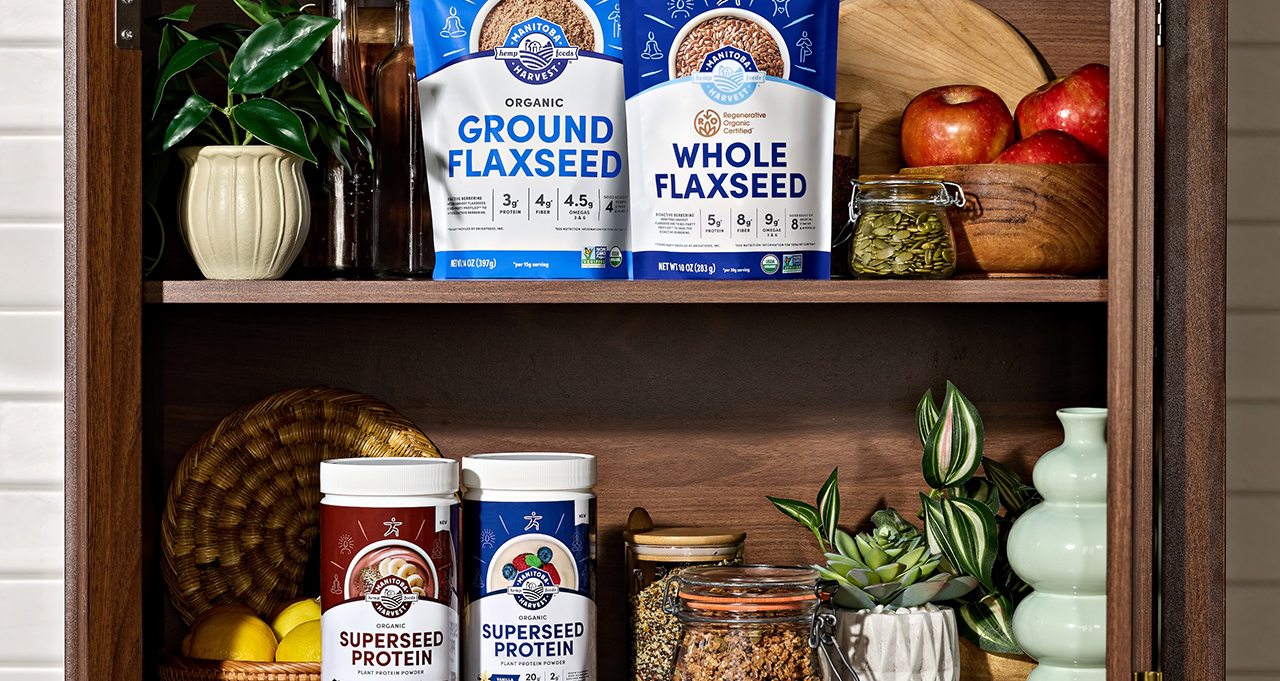
Manitoba Harvest, a brand owned by Tilray Wellness, exemplified this shift by using consumer data to refine its presence at Whole Foods. By collaborating with a research firm, the brand identified that shoppers were confused by hemp-based terminology. Consequently, they pivoted their packaging to emphasize superseeds and fiber content. This data-driven approach allowed the brand to align its in-store communications with specific consumer desires, facilitating a smoother path to retail approval.
Successful modern marketing now requires bridging the gap between national media strategies and the physical shelf. Campaign US reports that over 80 percent of adults feel more confident purchasing from a brand online if they have had a positive experience with that brand in a store. Agencies are responding by breaking down internal silos, ensuring that creative assets and brand mascots are consistent across television spots, social media, and physical store signage to create a unified consumer journey.
The Industry Pulse Bottom Line
Marketers must treat the retail shelf as a primary conversion point rather than a secondary channel. Success requires involving retailers in the development phase and using data to prove a product's immediate margin potential.