
Publicis Ownership of LiveRamp Sparks Neutrality Concerns and Client Exits
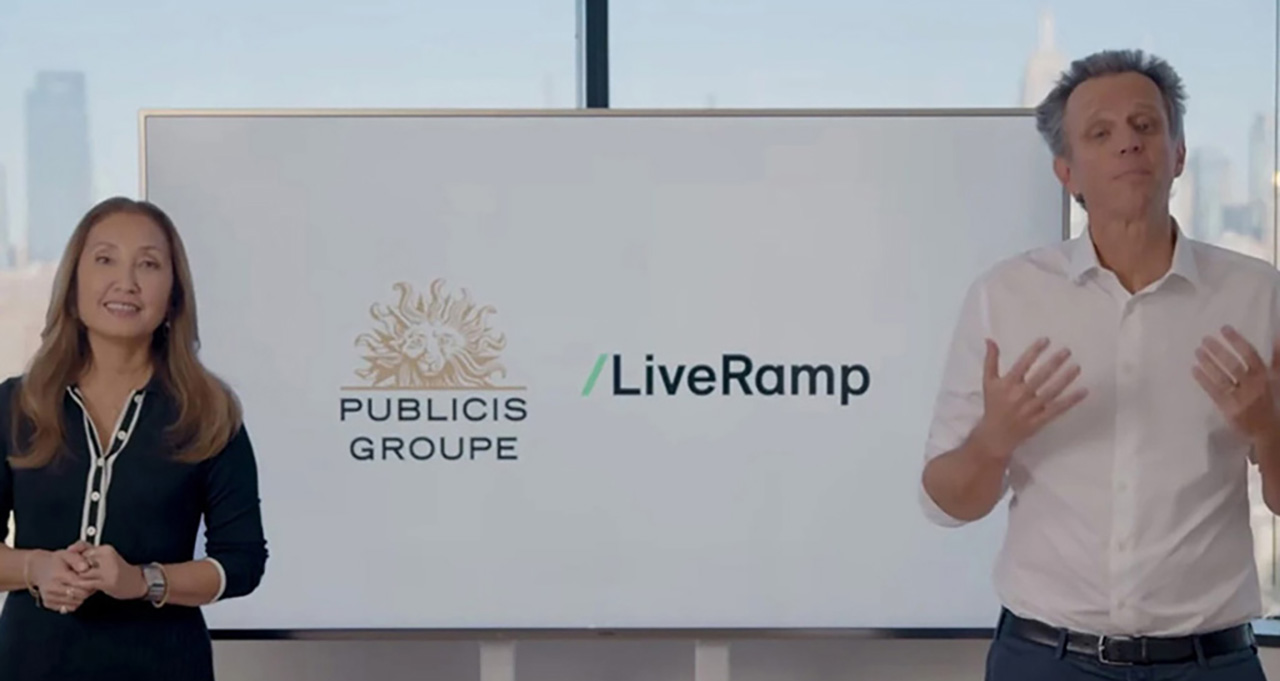
Beverage brand Liquid Death and major holding companies are distancing themselves from LiveRamp following its $2.2 billion acquisition by Publicis Groupe. As reported by Campaign US, the deal has triggered a debate over whether a data-collaboration platform can remain independent while owned by a direct competitor to the brands and agencies it serves.
Context from Industry Pulse
The acquisition of LiveRamp represents a significant shift in the data-collaboration landscape, as it removes one of the few remaining independent identity platforms from the market. For years, LiveRamp operated as a neutral connector between brands and various technology platforms. By folding it into Publicis, the agency gains a massive advantage in data enrichment and audience activation. However, the move risks alienating the broader ecosystem that relied on LiveRamp’s independence. The emergence of brand-owned identity graphs on cloud platforms like Snowflake indicates that the industry may be moving away from centralized third-party providers toward more decentralized, in-house solutions to preserve data autonomy.
Publicis Groupe has finalized its acquisition of LiveRamp, a move that integrates the data platform’s identity technology with the Epsilon identity suite. While Publicis leadership frames the combination as a powerful growth engine for artificial intelligence and retail media, the ownership change is driving high-profile clients to seek alternatives. Campaign US reports that Liquid Death has confirmed plans to exit the platform, with its chief media officer publicly questioning the logic of allowing a rival holding company to control a brand’s underlying data infrastructure.
Industry rivals WPP and Omnicom have also indicated they will reduce their reliance on the platform. Although Publicis notes these groups represent only a small portion of LiveRamp’s revenue, their skepticism highlights a broader industry concern regarding the platform’s traditional reputation as the Switzerland of data. The transition from an independent entity to a subsidiary of a global agency network has created a perceived conflict of interest for companies that prioritize data neutrality.
To address these concerns, Publicis has emphasized that clients retain full ownership of their intellectual property and first-party data. The acquisition also includes regulatory oversight, with the Federal Trade Commission requiring regular audits for five years to ensure the platform remains neutral. Despite these safeguards, critics cited by Campaign US suggest that structural firewalls may not be enough to satisfy brands that view the platform as a direct competitor’s asset.
Consultants suggest this friction could lead to a wider migration as contracts come up for renewal. Some industry experts are now advising brands to move their audience intelligence directly onto private data clouds to avoid vendor lock-in. This shift would allow companies to maintain control over their identity graphs without relying on third-party platforms that are increasingly being absorbed into agency ecosystems.
The Industry Pulse Bottom Line
The exit of brands like Liquid Death signals a trust crisis for LiveRamp. Its survival as an industry standard depends on proving neutrality to competitors despite being owned by Publicis.