
Marketing Leaders Pivot Toward High-Stakes Creative Risks to Break Indifference
Industry leaders are increasingly abandoning safe marketing conventions to confront polarizing social issues and brand failures. According to Campaign US, top marketing executives are choosing transparency over polished messaging, betting that authentic engagement with difficult realities will drive stronger business results than traditional, risk-averse strategies.
Context from Industry Pulse
The trend toward radical honesty comes at a time when consumer trust is a central challenge for major corporations. Marketing leaders at firms like Rocket Companies and Burger King are navigating a fractured social landscape by leaning into potentially divisive topics rather than avoiding them. This strategy suggests that the traditional marketing goal of universal appeal is being replaced by a desire for deep resonance with specific communities. By acknowledging hair aging, substance issues, or corporate mistakes, brands are attempting to move beyond mere transactions to establish a more humanized presence in a market often saturated with superficial AI-generated content and safe, repetitive messaging.
Recent reporting from Campaign US highlights a shift in how top marketers evaluate risk, with several brands prioritizing honesty over comfort. Burger King utilized its Elevation Platform to publicly address a decade of brand shortcomings. This transparent approach was designed to prove the company listens to consumer feedback, even when that feedback is critical of past performance.
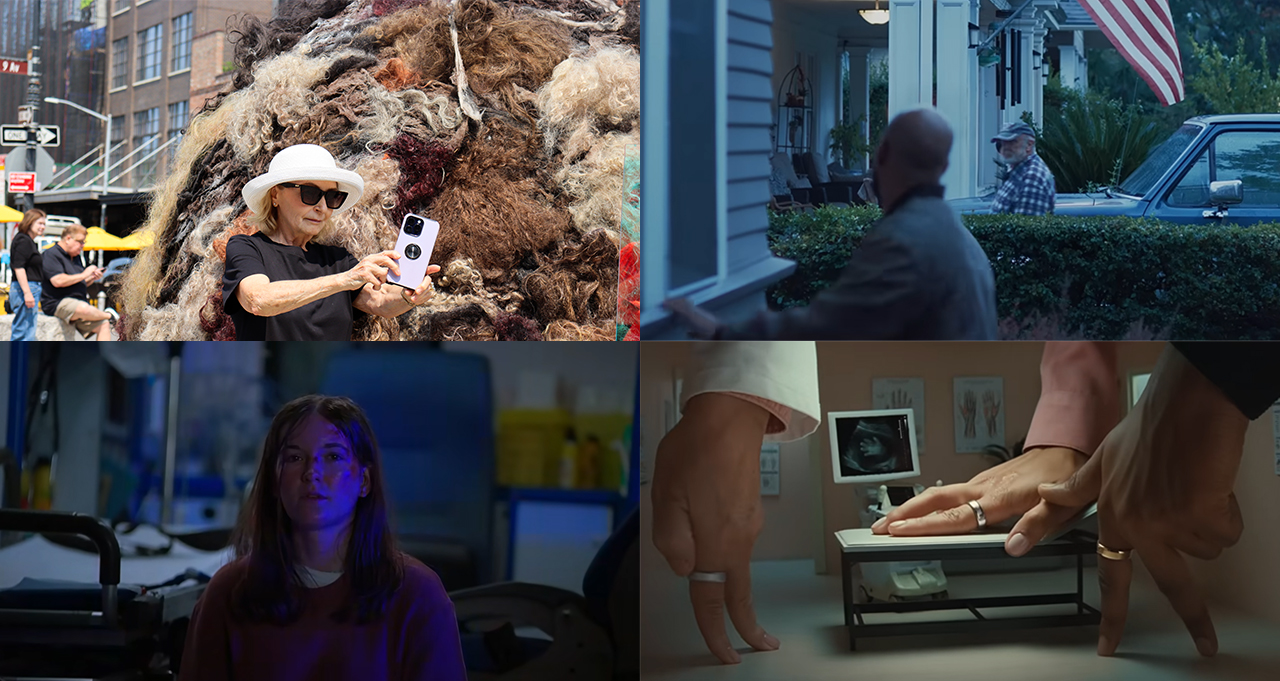
Technological choices also presented strategic risks this year. As Campaign US notes, Oura rejected artificial intelligence for its latest campaign in favor of handcrafted physical sets. The company built a miniature city and employed traditional modelmakers in Prague to create a tangible visual identity. This move required more production discipline and time than AI-generated alternatives but was intended to establish a distinct brand platform.
Social and political subjects formed the basis for several high-profile campaigns. Rocket Companies released a film featuring Lady Gaga that addressed themes of neighborly trust and immigration during a period of national division. Despite internal calls to pull the spot, the company proceeded with the message to emphasize connection. Similarly, Grindr moved away from cheerful slogans to launch work specifically discussing the complexities of chemsex and community stigma.
Alternative tactics included unbranded experiential marketing and product-focused interactivity. K18 rolled a six-foot ball of hair through Manhattan without immediate brand identification to capture raw public attention. Meanwhile, Uber opted to maintain its existing creative narrative for the Super Bowl while introducing an in-app tool that allowed users to build their own commercials. Campaign US reports that this decision to double down on a familiar story resulted in a record-breaking sales day for the delivery platform.
The Industry Pulse Bottom Line
The move toward high-friction creative choices indicates that CMOs now view consumer indifference as a greater threat than polarization, leading to a new era of radical brand transparency.