Buy Now, Pay Later Expands to $157 Billion as Retailers Embed Financing in Offers
Industry Pulse News Desk · 2026-10-12
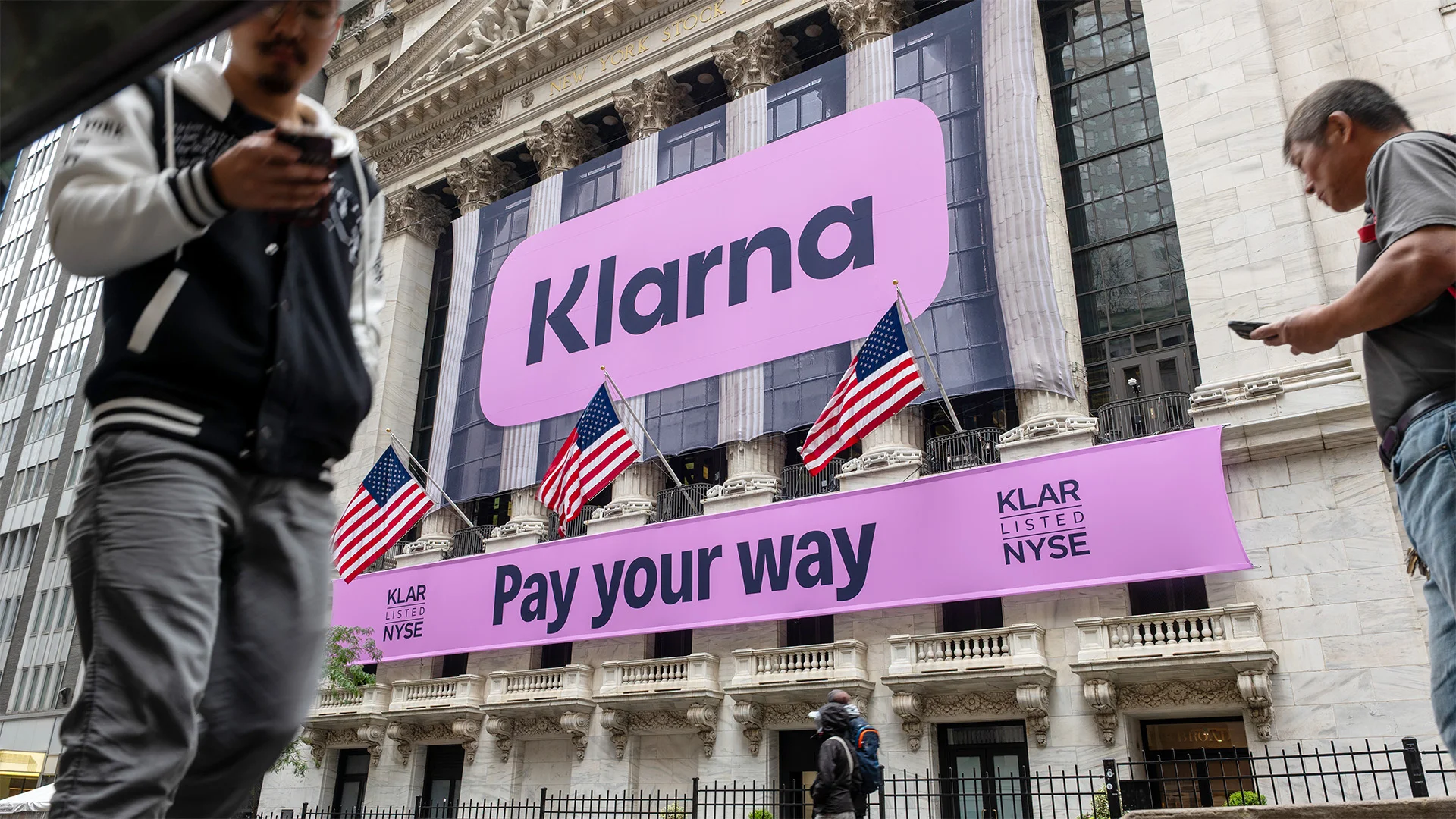
Retailers are moving flexible payment options to initial product displays as the global Buy Now, Pay Later sector reaches a $157 billion valuation.
The global Buy Now, Pay Later market has reached an estimated valuation of $157 billion, prompting major retail enterprises to re-evaluate how flexible financing is presented to consumers. Instead of treating installment payments as a final transaction step at checkout, businesses are increasingly embedding financing options directly into initial product displays.
Consumer purchasing data indicates that flexible payment structures now directly influence product selection, perceived affordability, and brand trust early in the buying cycle. As a result, commercial strategists are moving payment options to the front end of digital storefronts and marketing campaigns rather than reserving them for the final point of sale.
The integration of financing into core product displays requires coordinated adjustments across retail operations, including merchandise pricing, inventory management, and post-purchase service protocols. Operational workflows for returns and refunds are also being reconfigured to accommodate multi-party installment arrangements efficiently.
Retail analytics show that displaying flexible payment terms during product discovery increases overall conversion rates and average order values. Merchants that restrict financing details strictly to the final payment screen risk higher rates of cart abandonment compared to competitors presenting comprehensive cost breakdowns upfront.
As the sector continues to grow, financial infrastructure providers and retail platforms are upgrading back-end technology to support real-time approvals and automated settlement reconciliation. The shift reflects a broader transition toward unified commerce models where payment structures form an essential component of the product offer itself.