Bond Yields Reach Multi-Year Highs as Market Weighs Valuation Levels
Industry Pulse News Desk · 2026-08-24
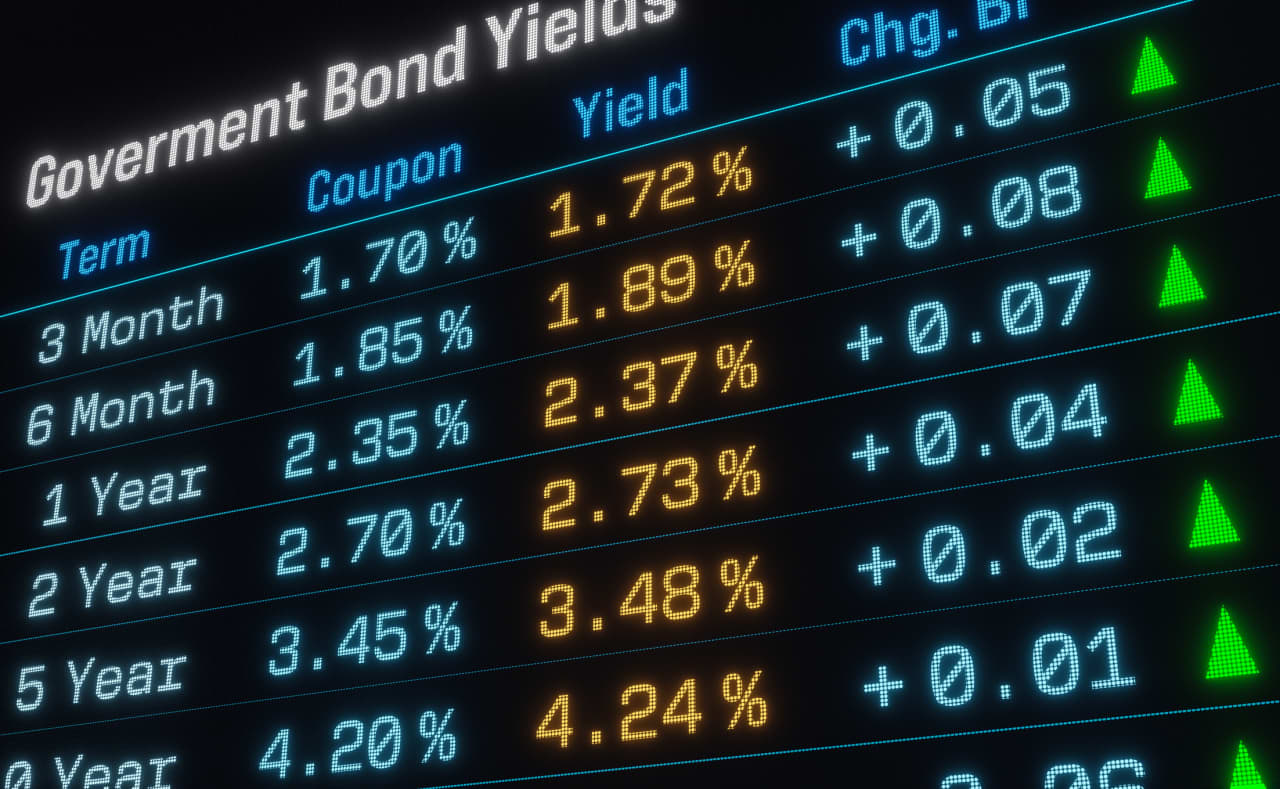
Financial strategists remain divided on whether historically elevated bond yields present an attractive entry point for institutional investors.
U.S. Treasury yields have climbed to their highest levels in several years, sparking an active debate among financial strategists over whether fixed-income securities have become attractive enough to justify increased allocations. The broad repricing of the bond market reflects changing expectations for central bank interest rate policy.
Fixed-income yields are fundamentally driven by market projections of the average federal funds rate over a 10-year horizon. Beyond benchmark rate forecasts, current yield calculations include a risk premium designed to compensate investors for the uncertainty inherent in predicting long-term macroeconomic performance.
Despite the recent surge in yields, recent financial modeling indicates that bonds are currently trading near fair value rather than at deeply discounted levels. While current entry points offer significantly higher baseline income compared to the past decade, some market strategists caution that valuations are not yet low enough to signal a clear buying opportunity.
Conversely, competing analysts argue that present yield levels represent a compelling environment to lock in fixed returns. Proponents of buying at current valuations note that any prospective weakness in economic growth could eventually compel monetary authorities to lower benchmark interest rates, driving bond prices higher.
Market participants continue to monitor incoming economic indicators and official policy statements to gauge the future trajectory of interest rates. Until a clearer consensus emerges regarding the peak of the current rate cycle, trading activity across fixed-income markets is expected to remain volatile.