
SEPTA Service Growth Linked to $12 Billion Increase in Philadelphia Property Value
Philadelphia transit officials are proposing a service frequency expansion intended to stimulate regional economic development. As Bisnow reports, the transit agency aims to attract major employers and residential developers by reducing wait times on key rail lines, despite recent financial volatility stemming from state funding disputes and significant operating deficits.
Context from Industry Pulse
The relationship between Philadelphia’s transit stability and its commercial real estate market is increasingly intertwined. While the transit agency faces recurring financial deficits that recently threatened a 20% systemwide service reduction, state-level capital assistance has provided a temporary reprieve. This fiscal volatility directly impacts corporate sentiment; some employers reportedly considered relocating during the 2025 funding crisis. Despite these challenges, major investments like the $240 million Burlington headquarters purchase suggest that transit-oriented hubs like University City remain primary targets for high-value development. The proposed service increases are positioned as an economic catalyst to offset property value stagnation, provided the agency can secure long-term operational funding from state lawmakers.
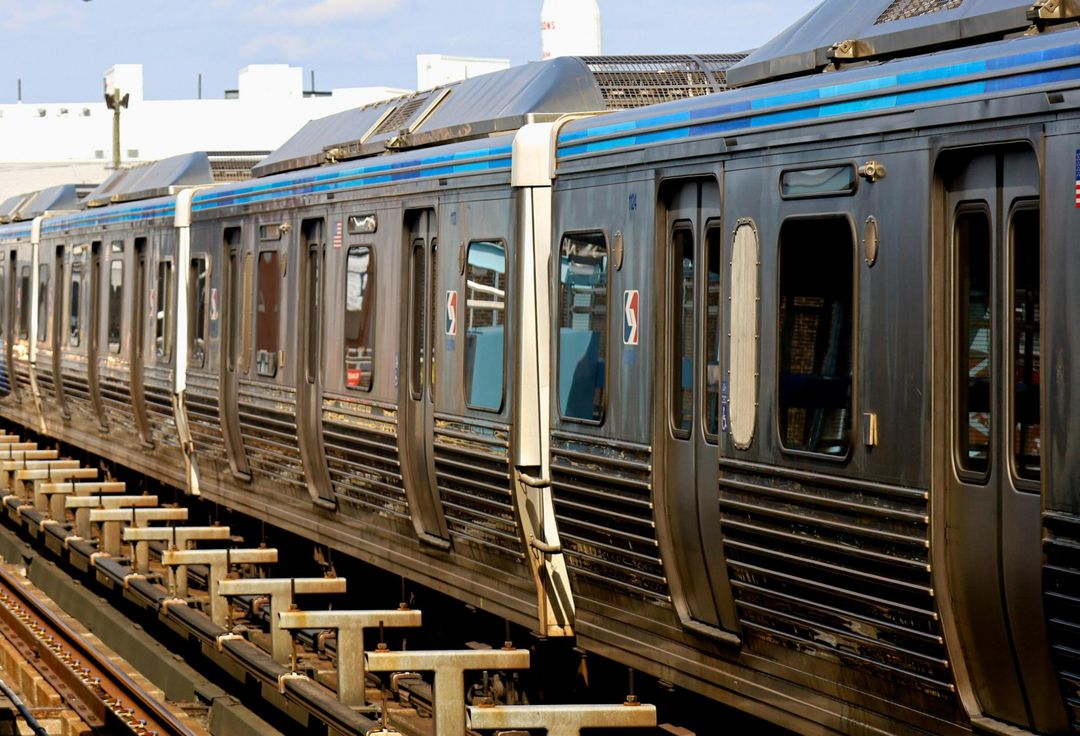
The regional transit authority is currently promoting the Accelerate program, an initiative designed to significantly decrease headways across its primary rail networks. According to Bisnow, the plan envisions three-minute intervals on the Market-Frankford and Broad Street lines, while regional rail trunk service would improve to 15-minute frequencies. Transit leadership suggests these improvements could eventually generate 50,000 new jobs and add billions to regional real estate values.
Institutional relocations are already demonstrating the link between transit access and corporate investment. Bisnow notes that Burlington recently moved its headquarters from New Jersey to University City, purchasing a $240 million office building at 3151 Market Street. The decision to relocate 2,000 jobs was influenced by proximity to the 30th Street Station transit hub and access to the Key Advantage Program, which provides deeply discounted transit passes to employees.
Residential development is also tracking closely with transit infrastructure. Bisnow reports that the agency has partnered with multifamily developers for projects near stations in Conshohocken and Ambler, with similar negotiations underway for sites in Langhorne and Germantown. However, transit officials acknowledge that the agency has limited land holdings and must rely on private property owners to densify the corridors surrounding existing transit lines.
Economic momentum remains sensitive to the agency’s fiscal health. Bisnow highlights that a massive $213 million operating deficit in 2025 nearly forced permanent 20% service cuts across the entire system. While emergency capital assistance from state legislators eventually restored these operations, officials indicated that some employers considered moving their businesses out of the city during the period of service uncertainty.
The Industry Pulse Bottom Line
Reliable transit serves as a critical incentive for corporate relocation and multifamily densification. However, Philadelphia’s long-term real estate appreciation remains dependent on the transit agency’s ability to resolve recurring budget deficits and maintain high-frequency service.