
RealPage Antitrust Litigation Concludes With Nearly $360 Million Renter Settlement
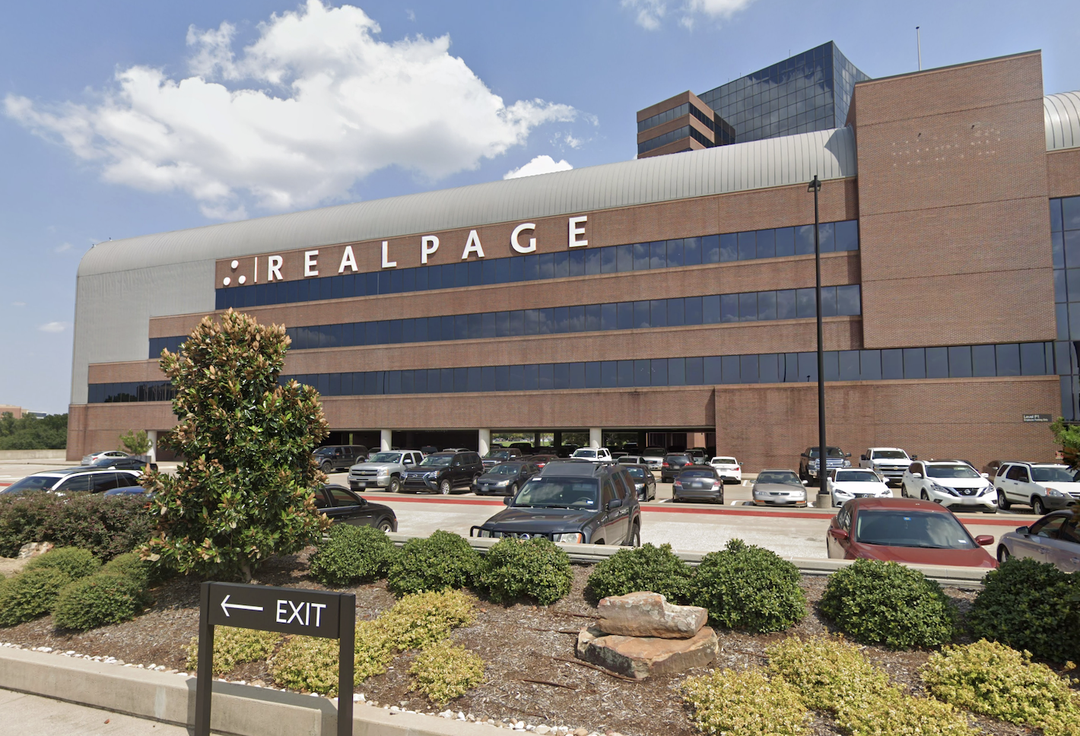
A federal court has dismissed a long-standing antitrust lawsuit against RealPage and various real estate firms, finalizing settlements totaling nearly $360 million for tenants. According to reporting from Bisnow, the U.S. District Court for the Middle District of Tennessee ruled that the agreement reached by the Richardson-based tech company and its co-defendants is fair.
Context from Industry Pulse
The settlement concludes a period of intense scrutiny for the multifamily sector, which began when investigations suggested landlords used software algorithms to bypass traditional market competition. By sharing proprietary data, firms allegedly identified opportunities for aggressive rent hikes that might have otherwise been avoided. This litigation coincided with a broader regulatory crackdown, as several major U.S. cities moved to outlaw automated rent-setting tools entirely. While the One Big Beautiful Bill Act failed to provide federal protection for these technologies, the dismissal of this case with prejudice provides a final legal resolution for the firms involved, even as municipal bans continue to reshape how landlords manage property revenue.
"RealPage has argued that the cities are overstepping their legal authority and that it is being blamed for the nation's undersupply of housing."
The resolution of this legal battle marks the end of a series of class actions that began in late 2022. As Bisnow reports, the litigation was sparked by investigations into how landlords shared internal pricing data with algorithmic software to drive up rental costs. The consolidated case alleged that major property owners colluded via the software to inflate market rates beyond standard levels.
Financial restitution for the affected renters comes from two primary tranches. A group of 27 real estate firms initially reached a $141.8 million settlement, which the court approved in late 2025. Subsequently, another 11 firms agreed to pay $218 million in May. Beyond the monetary payouts, these companies are now required to strip nonpublic rental information from the databases that feed the rent-setting software.
RealPage itself reached a separate agreement with federal prosecutors in November 2025. While the court did not order the software company to pay specific monetary penalties, Bisnow notes that the firm must implement changes to how its platform generates rent suggestions for prospective tenants. The tech firm has consistently maintained that it is not responsible for national housing shortages and argued that it was being unfairly targeted by local regulations.
Despite the significant financial settlement and required operational changes, the participating companies have not admitted to any legal liability or fault. The court dismissed the lawsuit with prejudice, effectively preventing the same claims from being litigated again. However, some legal experts remain skeptical that these agreements will entirely prevent future coordination between major industry players.
Outside of the courtroom, the fallout from this case has influenced local policy in several major metropolitan areas. Cities including San Francisco, San Diego, Minneapolis, and Philadelphia have already moved to prohibit the use of algorithmic tools for setting rents. While legislative attempts were made to preempt these local bans through the One Big Beautiful Bill Act, those provisions were eventually removed from the final law.
The Industry Pulse Bottom Line
The $360 million settlement establishes a significant precedent for algorithmic transparency in real estate, forcing major firms to stop sharing nonpublic data even as they avoid admitting formal liability for price-fixing.