
Nvidia CEO Resigns Amid Scandals Shaking Data Center and Real Estate Investments
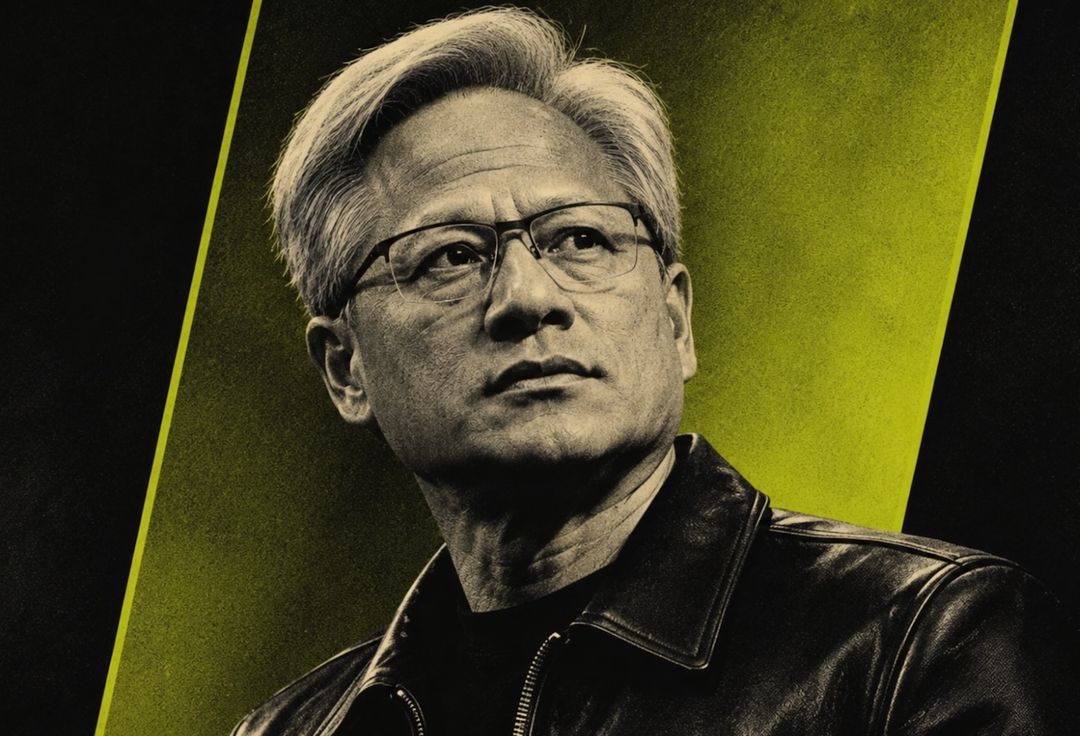
Jensen Huang has resigned as Nvidia CEO and board member following reports of personal misconduct and intelligence concerns involving a foreign data center executive. According to Bisnow, this sudden departure leaves the commercial real estate sector questioning the future of billions in lease guarantees and infrastructure financing originally brokered by the co-founder.
Context from Industry Pulse
Nvidia has transitioned from a chip manufacturer to a pivotal force in institutional real estate, acting as the primary driver behind the six trillion dollars in data center spending projected by 2030. The firm holds nearly one hundred billion dollars in stakes in other companies and has actively propped up AI cloud providers like CoreWeave and Lambda to secure investment-grade leases for developers. However, the sudden management change coincides with a cooling sentiment in commercial real estate. Data centers recently fell from the top spot in major industry outlooks, and local opposition to these massive facilities is mounting as evidenced by recent midterm election results.
The exit of Jensen Huang marks a significant pivot for the global data center market, which has relied on Nvidia as a primary tenant and financier. Bisnow reports that Huang stepped down immediately on Thursday, with Chief Financial Officer Colette Kress assuming the role of interim CEO. The resignation followed reports of liaisons with a former Megaspeed executive suspected of spying for China, as well as relationships with two Nvidia employees. The news triggered a fourteen percent drop in share value, wiping out hundreds of billions in market capitalization.
Commercial real estate exposure to Nvidia is vast, totaling over one hundred billion dollars in lease guarantees. The most significant commitment is a guarantee for OpenAI at the Ports-Pike campus in Ohio, which is projected to be the largest AI data center in the world. As Bisnow notes, while these contracts are legally binding, the cost of insuring Nvidia debt against default has already tripled. This shift suggests that the market is reassessing the creditworthiness of a firm that previously served as the bedrock for AI infrastructure expansion.
Nvidia also functioned as a massive financier, recently striking a deal with major Wall Street firms like BlackRock and Blackstone to deploy five hundred billion dollars for AI development. Bisnow indicates that these preliminary agreements were personally championed by Huang. However, internal friction may now surface, as interim CEO Kress previously expressed concern regarding the financial risks associated with some of these aggressive infrastructure bets. The company had also begun investing directly in land and power utilities through stakes in developers like Cloverleaf and SB Energy.
The broader data center sector was already showing signs of cooling before this leadership crisis. Bisnow points out that data centers recently lost their top ranking in institutional investor outlooks for 2027. Furthermore, American voters widely rejected data center developments in local midterm ballots. With a change in Senate control approaching in January, the industry faces increased federal scrutiny alongside the loss of its most prominent dealmaker.
The Industry Pulse Bottom Line
Huang's departure removes the central architect of AI's physical infrastructure. With interim leadership focused on risk mitigation, the massive financing and lease guarantees that once stabilized the data center market now face unprecedented uncertainty.