
Houston Preservation Experts Call for Adaptive Reuse Incentives After Historic Loss
A recent landmark demolition in Houston has triggered a debate over the city's approach to aging real estate. As Bisnow reports, real estate professionals are advocating for increased institutional knowledge and dedicated municipal leadership to facilitate adaptive reuse projects, arguing that the city currently lacks the muscle memory required to value and utilize existing structures over new builds.
Context from Industry Pulse
Houston real estate faces a unique set of obstacles regarding adaptive reuse compared to more established urban centers. A 2023 feasibility study highlighted that the city's downtown office stock is unusually difficult to convert due to massive floor plates and persistent existing tenants. Furthermore, the majority of the city's buildings are not yet 50 years old, placing them outside the typical window for lucrative historic tax credits. While Texas offers a robust 25 percent uncapped state tax credit, the lack of local institutional knowledge and municipal guidance often makes the demolition of assets like the Kirby Mansion more financially attractive than complex, sustainable renovations.
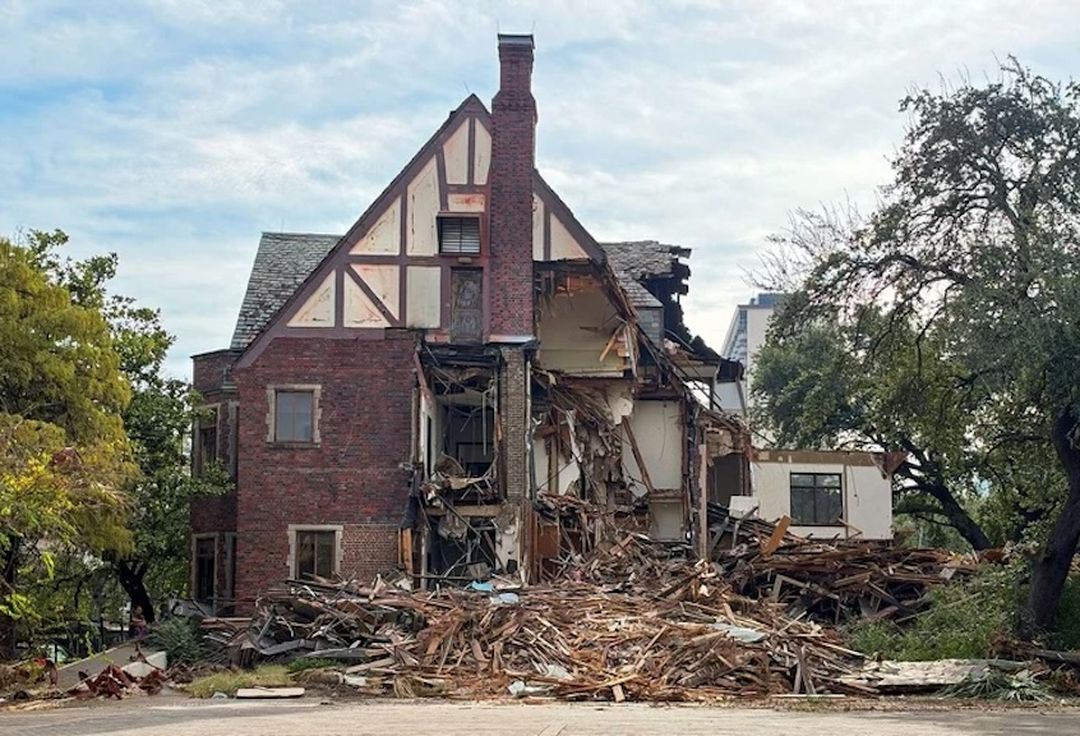
The demolition of the 1890s-era Kirby Mansion in late October has highlighted the vulnerabilities of Houston's historic building stock. The Tudor revival property was razed following state filings that detailed a two-million-dollar project for a new gas station and convenience store. Industry experts speaking at a recent event noted that while the structure lacked formal landmark protections, its loss represents a missed opportunity for the type of character-driven development that modern tenants frequently seek.
Houston has historically favored new construction due to a surplus of undeveloped land and the lower costs associated with expanding outward. According to Bisnow, this expansionist trend has left the local market without the expertise found in other major cities for navigating complex renovations. Panelists suggested that the city needs a dedicated official, or czar, to guide developers through the technical hurdles of historic designation and the permitting process for conversions.
Financial incentives remain a critical piece of the revitalization puzzle. Texas currently offers a 25 percent tax credit for qualifying historic values with no cap, which can be combined with federal programs. Despite these tools, a 2023 study by Downtown Houston+ found that the city’s office inventory is particularly difficult to repurpose because of large floor plates and the relative youth of the buildings, many of which do not yet qualify for historic status.
Successful examples of adaptive reuse are beginning to emerge despite these challenges. Projects like the conversion of One City Centre into a residential-hotel hybrid and the transformation of an East End coffee plant into a music academy demonstrate the potential for older assets. Beyond nostalgia, proponents point to environmental benefits, noting that reuse projects can emit 70 percent less carbon dioxide than new construction, aligning with the sustainability priorities of younger demographics.
The Industry Pulse Bottom Line
Houston’s real estate market remains at a crossroads where the convenience of new construction frequently outweighs preservation. Success in adaptive reuse will require layering financial incentives with dedicated municipal expertise to overcome structural and regulatory hurdles.