
Byron Donalds Elected Florida Governor as Voters Approve Property Tax Relief
Byron Donalds has been elected as the 47th governor of Florida, becoming the first Black governor in the state's history. According to Bisnow, Donalds defeated Democrat David Jolly with 50.1% of the vote. Concurrently, Florida voters passed a significant property tax amendment intended to provide relief to homeowners through increased homestead exemptions.
Context from Industry Pulse
The election of Byron Donalds and the passage of the property tax amendment come as Florida grapples with a brewing affordable housing crisis, particularly in South Florida. While Donalds focuses on supply-side solutions like deregulation and permitting reform, the voter-approved tax amendment offers direct relief to homeowners. However, this relief creates a fiscal challenge for local governments. Bisnow reports that the city of Miami has already prepared for a 25% budget reduction across public schools, police, and infrastructure. This shift may force a tax burden onto commercial and non-homesteaded properties, creating a potential conflict between residential tax relief and the operational costs of commercial real estate and rental housing providers.
The gubernatorial race saw Byron Donalds maintain a 28-year Republican winning streak in Florida. Bisnow reports that Donalds, a U.S. representative for the 19th Congressional District, secured a victory by a 1.4-percentage-point margin. His campaign was heavily supported by the real estate industry, amassing over $150 million in donations. Notable contributors included Citadel founder Ken Griffin and Related Ross head Stephen Ross, alongside firms such as Related Group and Property Markets Group.
Affordability served as a central theme for both candidates as Florida faces an outflow of middle-class residents. Bisnow notes that Miami-Dade County lost more than 10,000 residents between 2024 and 2025. To address housing inventory, Donalds has proposed reducing homebuilding costs, removing zoning restraints in Miami-Dade, and modernizing permitting systems through technology. His platform also included moving the Space Force Academy and NASA headquarters to the state.
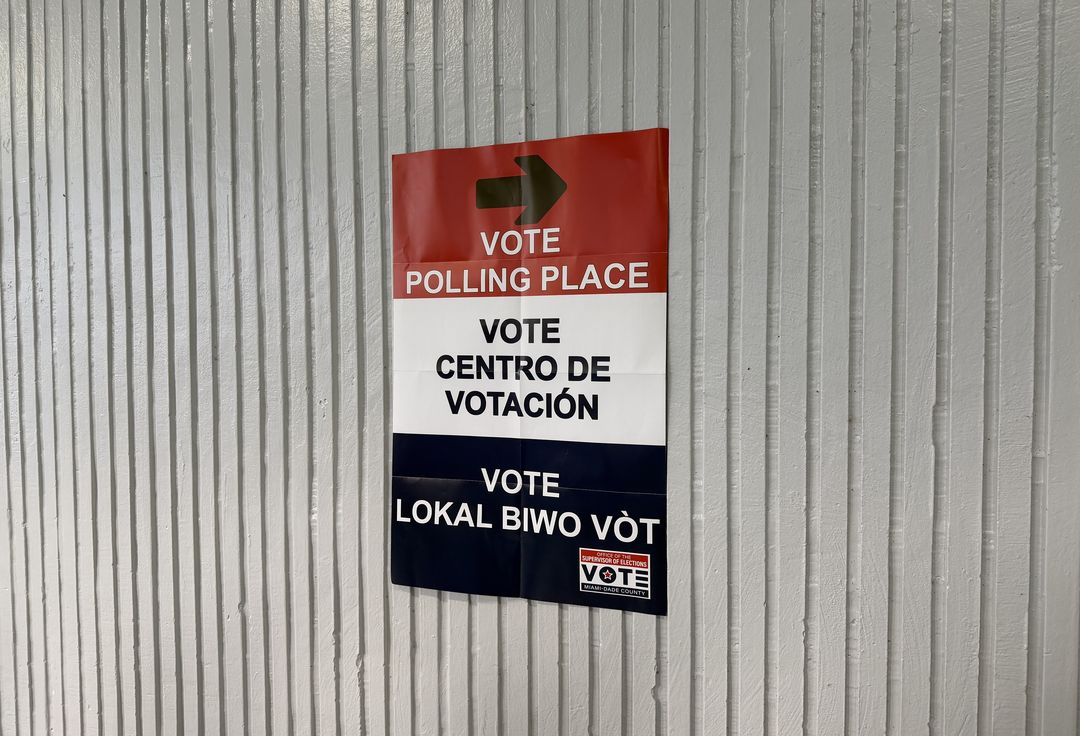
Voters also approved a property tax amendment that will raise the homestead exemption from $50,000 to $150,000 in the coming year, with a further increase to $250,000 scheduled for 2028. While intended to lower costs for homeowners, the measure does not apply to school district property levies. Bisnow indicates that local municipalities have expressed concern regarding the impact on public budgets, with some cities preparing for significant cuts to essential services.
The real estate sector may face unintended consequences from the new tax structure. Industry experts informed Bisnow that because rental properties are not owner-occupied, they do not qualify for the increased homestead exemptions. If local governments raise taxes on commercial assets to bridge budget gaps caused by the amendment, landlords are likely to pass those costs onto tenants, potentially exacerbating affordability issues in the rental market.
The Industry Pulse Bottom Line
The real estate industry's heavy financial backing of Byron Donalds suggests a shift toward deregulation, yet the new property tax amendment may inadvertently drive up commercial tax liabilities and rental rates across the state.