
Pennsylvania Democrats Plan Zoning Reforms and Data Center Restrictions
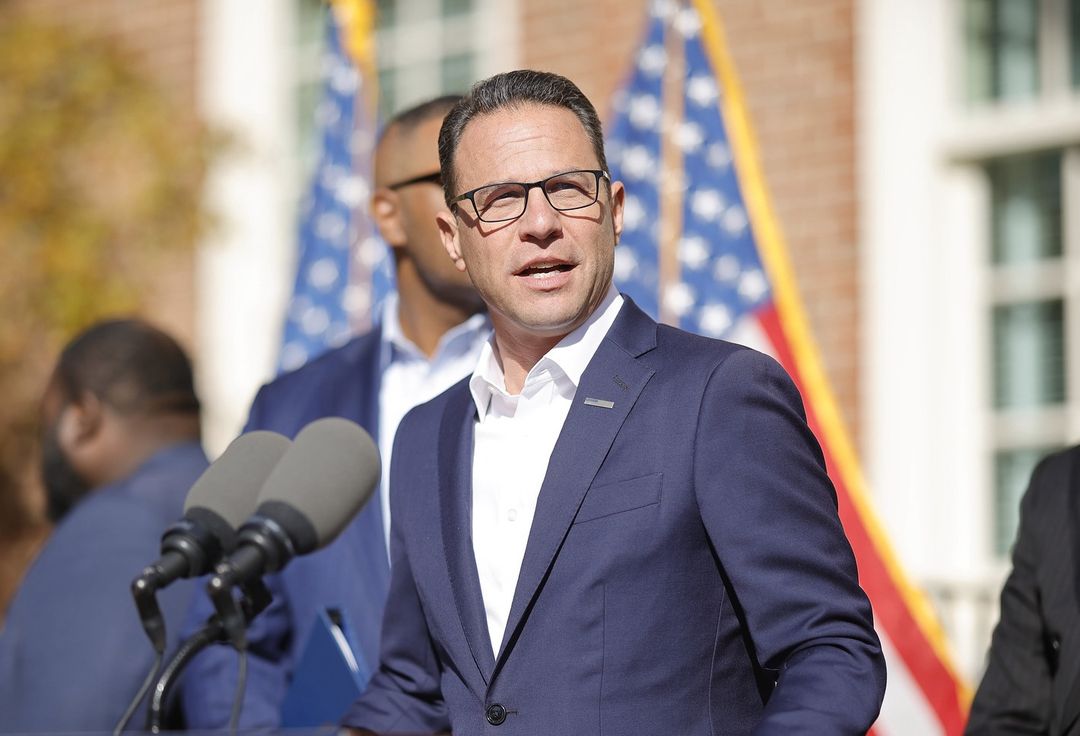
Following a decisive election sweep, Pennsylvania Democrats now control the governorship and both legislative chambers for the first time since 1993. As reported by Bisnow, Governor Josh Shapiro intends to leverage this mandate to accelerate housing production through statewide zoning overrides while simultaneously cooling the recent boom in data center development.
Context from Industry Pulse
The Pennsylvania political shift marks a significant departure from decades of divided government. By securing a 22-point gubernatorial victory and taking the Senate, Democrats have cleared the path for Governor Shapiro’s aggressive Housing Action Plan. This strategy prioritizes statewide regulatory modernization to combat a severe housing shortage, as Pennsylvania currently ranks 44th in the nation for home construction. Conversely, the cooling sentiment toward data centers reflects a broader national backlash against the high energy and water demands of AI infrastructure. While the multifamily sector views state-level zoning overrides as a victory over local bureaucracy, the looming possibility of rent stabilization and stricter tenant protections remains a point of friction between the industry and the new administration.
The unified state government is expected to move quickly on the Housing Action Plan introduced by the governor earlier this year. According to Bisnow reporting, industry experts anticipate a wave of legislation designed to bypass local zoning codes that have historically restricted residential density. Key proposals likely to advance include allowing accessory dwelling units, mixed-use projects, and multifamily developments to be built by right in more jurisdictions. These measures aim to address a projected deficit of 185,000 housing units by 2035, a crisis exacerbated by the state ranking near the bottom of the country for new construction starts.
Beyond new construction, the legislative agenda focuses on preserving existing inventory. Bisnow notes that nearly half of the residential stock in Pennsylvania was built before 1980, prompting calls for funding to repair older homes and facilitate the adaptive reuse of historic buildings. Developers also expect new subsidies for workforce housing and potential rent assistance programs. However, some industry advocates express concern over possible tenant protections, such as caps on security deposits and application fees, which they argue could discourage long-term investment if implemented too aggressively.
In contrast to the support for housing, the outlook for data centers has soured significantly. Despite previous enthusiasm for the sector, the rapid expansion of artificial intelligence infrastructure has become a controversial political topic. Bisnow reports that the governor has already pivoted toward more restrictive oversight, including an executive order that removes data centers from the state Fast Track program and imposes stricter requirements for power and water usage.
Legislative leaders believe the removal of the previous partisan gridlock in Harrisburg will allow long-stalled bills to finally reach the governor's desk. While municipal officials in cities like Philadelphia have often clashed with developers over affordability mandates and parking requirements, state-level Democrats appear more focused on supply-side solutions to lower overall costs. This shift suggests a more predictable regulatory environment for multifamily builders even as other industrial sectors face new hurdles.
The Industry Pulse Bottom Line
Pennsylvania’s new single-party control will likely trigger a surge in multifamily permitting via state-level zoning overrides, though developers must navigate a simultaneous push for tenant protections and tighter industrial utility regulations.