Bill Gates Advocates Reserving Certain Job Roles for Humans Amid Rising Automation
Industry Pulse News Desk · 2026-08-26
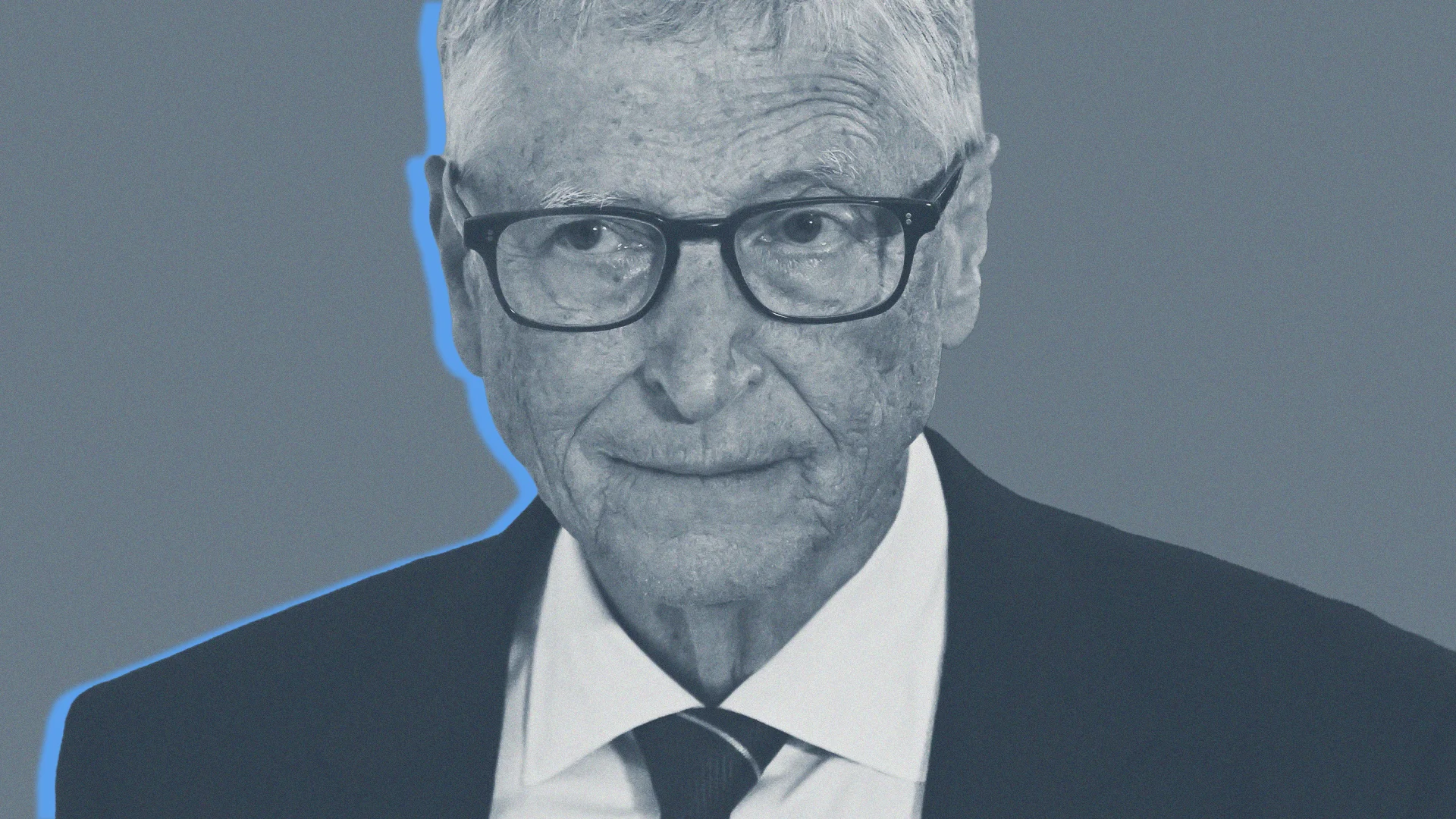
Microsoft co-founder Bill Gates warned against total workplace automation, recommending that specific employment sectors remain reserved exclusively for human labor.
Microsoft co-founder Bill Gates has advocated for setting aside specific job categories exclusively for human workers, arguing that complete workplace automation carries significant economic and societal risks. Speaking on the rapid integration of artificial intelligence and robotics across white-collar and blue-collar industries, Gates emphasized the necessity of maintaining human labor in key sectors.
Gates noted that while technological advancements continue to streamline operations and enhance productivity, the total replacement of human labor could disrupt economic stability. He suggested that retaining human roles in certain fields helps preserve consumer purchasing power and prevents widespread structural unemployment as machine capabilities expand.
In addition to economic factors, Gates highlighted the intrinsic value of human interaction in areas requiring empathy, complex ethical decision-making, and deep interpersonal connections. Fields such as caregiving, specialized education, and certain social services were cited as areas where machine replacement could diminish service quality.
Corporate leaders and policymakers face growing pressure to manage the transition toward automated business models. Gates urged organizations to adopt balanced deployment strategies that leverage automation for routine tasks while intentionally safeguarding positions that benefit from human judgment and creativity.
The recommendations come as businesses globally increase investments in generative artificial intelligence and advanced robotics. Industry analysts continue to evaluate the long-term workforce implications as enterprises balance operational cost efficiencies with human resource retention.