
NASA Accelerates Venus Mission Timeline Following Years Of Budgetary Uncertainty
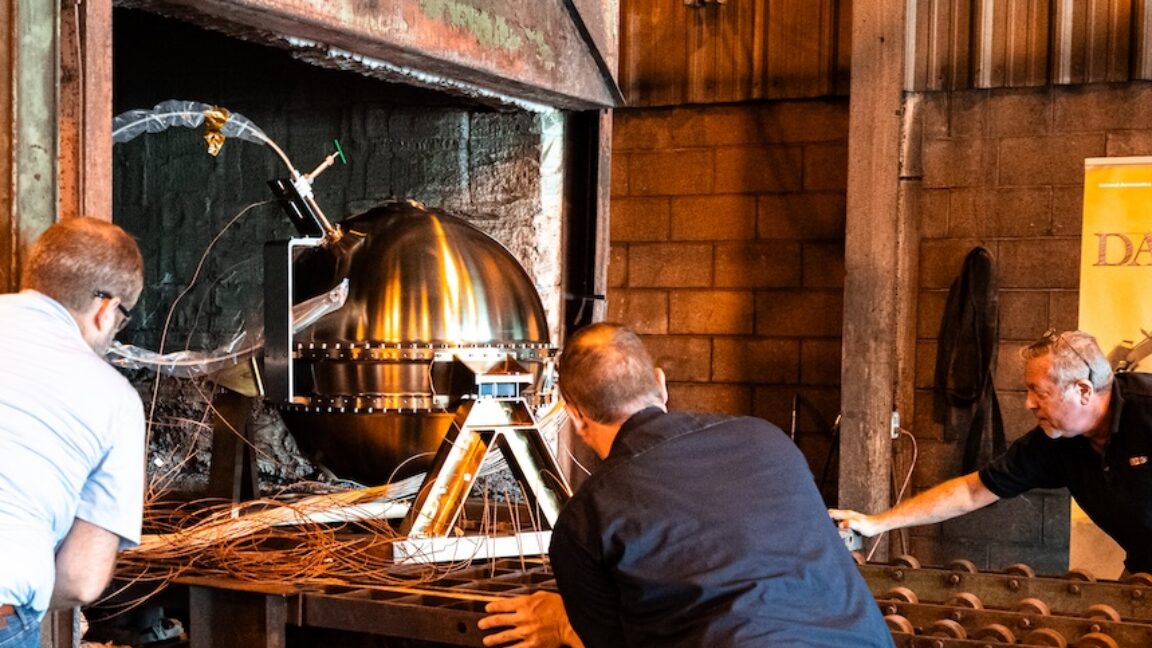
Ars Technica reports that NASA has shifted its Venus exploration plans into high gear, moving the launch of the DAVINCI probe up to December 2030. This renewed momentum follows a period of instability where cost overruns on other planetary projects nearly led to the cancellation of the companion VERITAS orbiter. Now, a coordinated fleet of American and European spacecraft is preparing to study the planet's extreme greenhouse environment.
Context from Industry Pulse
The revival of these missions reflects a broader technological push to apply advanced sensing and data modeling to complex biological and planetary systems. While recent industry developments have focused on using AI to accelerate de-extinction efforts or utilizing wearable sensors to monitor internal human biological clocks, NASA is turning similar high-resolution scrutiny toward the runaway greenhouse effect on Venus. The success of the DAVINCI and VERITAS missions depends on radar and imaging hardware capable of surviving pressures equivalent to deep-ocean conditions. As private entities like Rocket Lab also enter the fray with cloud-sampling probes, the space sector is moving toward a competitive multi-agency model for atmospheric research.
The Industry Pulse Bottom Line
For aerospace and defense contractors, the stabilization of the Venus flight manifest signals a shift in NASA's spending priorities. The accelerated timeline for DAVINCI suggests that atmospheric data has become a critical strategic asset for understanding planetary evolution and climate tipping points.