
US Military Backs Reusable Rocket Development to Ease Launch Supply Shortage
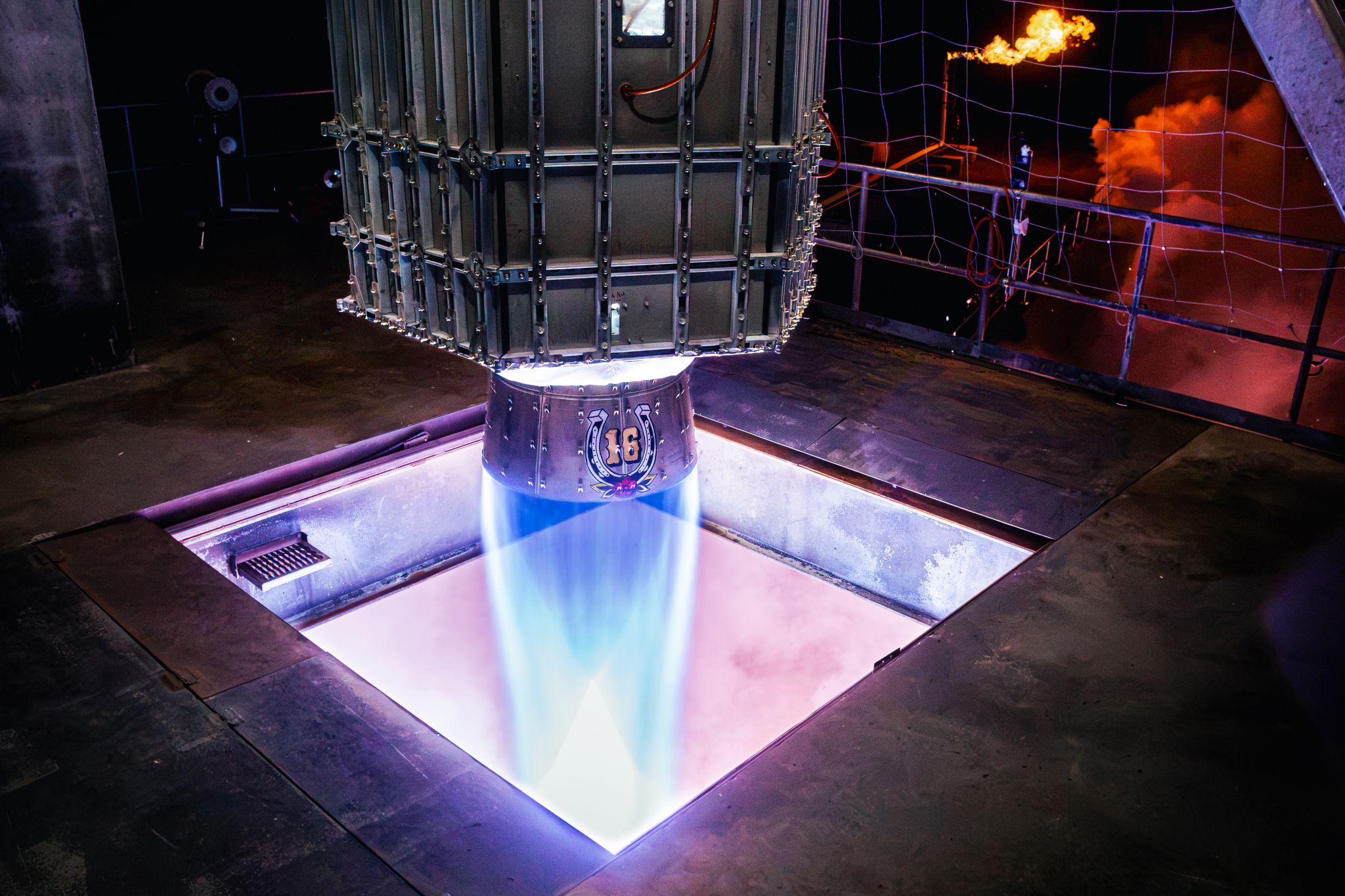
The Department of Defense is offering conditional loans to Stoke Space and Rocket Lab to address a significant shortage in launch capacity. According to Ars Technica, these investments aim to bolster the commercial space industrial base by funding infrastructure for upcoming reusable launch vehicles, including the Nova and Neutron rockets scheduled for 2025 debuts.
Context from Industry Pulse
The move by the Department of Defense to fund private launch startups follows a period of increasing pressure on the space industrial base. According to Ars Technica, the military is concerned about a supply crunch that has left launch capacity extremely constrained. This shortage has allowed providers like Rocket Lab to raise prices by 15 million dollars per mission despite the Neutron rocket remaining unproven. With 117 launches already on the books for Rocket Lab, the Pentagon’s capital injection into Stoke Space and other firms serves as a strategic hedge. The goal is to ensure that reusable technology matures quickly enough to meet both commercial and national security requirements in a tightening market.
The Office of Strategic Capital is providing financial support to Stoke Space to facilitate the construction of a second launch pad at Cape Canaveral Space Force Station. As Ars Technica reports, this new infrastructure is designed to accommodate the Nova Block 2, a fully reusable rocket that follows the company's Pathfinder model. Officials stated the commitment is intended to increase the resilience and capacity of the domestic space industry by ensuring more sites are available for frequent flight operations.
Simultaneously, Rocket Lab has secured a conditional loan to accelerate the production and processing of its Neutron rocket. Ars Technica notes that the funding will allow the company to expand its fleet of maritime recovery vessels and upgrade manufacturing facilities for engines and composite structures. These improvements are expected to decrease the time required between launches once the partially reusable vehicle becomes operational. The company is positioning the Neutron to meet a surge in market demand for heavy-lift capabilities.
Rocket Lab recently adjusted its financial outlook, raising the price of a Neutron launch from 55 million dollars to 70 million dollars. According to Ars Technica, this price hike reflects a growing backlog of 117 contracted missions across the company's various launch platforms. Executives indicated that the current market for launch services is extremely constrained, validating earlier industry predictions regarding supply shortages. The company believes the government capital will help unlock production bottlenecks and scale critical business segments.
Both loans remain subject to rigorous legal, technical, and financial due diligence before final approval. Ars Technica highlights that the terms offered by the Pentagon are considered highly attractive by industry leaders. By investing in these private launch providers, the military is seeking to ensure a steady supply of mission-ready vehicles as global competition for space access intensifies.
The Industry Pulse Bottom Line
The Pentagon is shifting from customer to financier to break the launch bottleneck, prioritizing reusable infrastructure to secure long-term access to space while commercial demand and launch prices continue to climb.