
Modern Forensics Reveal Physical Evidence of Ancient Egyptian Human Sacrifice
Ars Technica reports that a reassessment of skeletal remains from the First Dynasty provides new weight to the theory that servants were killed to accompany pharaohs into the afterlife. Bioarchaeologist Roselyn Campbell utilized modern forensic techniques to examine skull collections from the 1920s, identifying blunt force trauma in more than 30 percent of the samples.
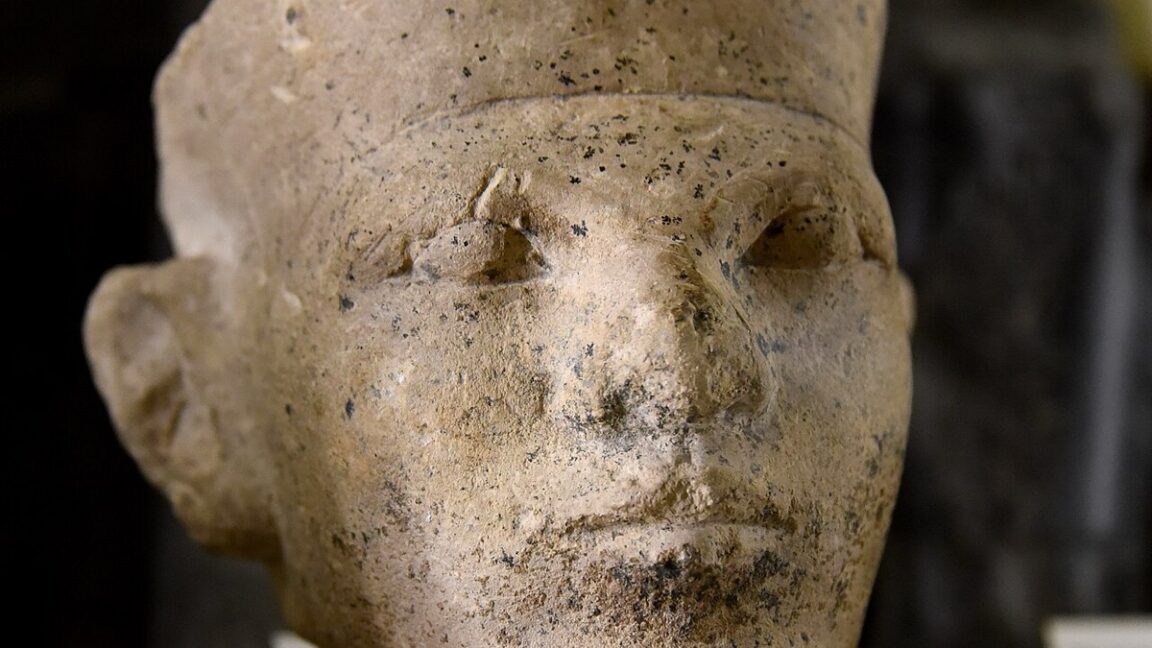
Context from Industry Pulse
This application of advanced forensic science to legacy data highlights a growing trend in research where modern analytical tools correct historical assumptions. While the tech sector currently focuses on regulating autonomous transport and debating the safety protocols of artificial intelligence, this discovery demonstrates the long-term value of re-evaluating archived information. Just as new safety pacts aim to mitigate the risks of emerging super-intelligence, bioarchaeologists are using refined methodology to mitigate the biases introduced by colonial-era excavations. Expect more historical reversals as digital imaging and forensic modeling continue to improve, potentially altering our understanding of early societal structures and state-sanctioned violence.
The Industry Pulse Bottom Line
The study proves that even century-old data can yield new insights when subjected to modern scrutiny. Technical leaders should view these forensic breakthroughs as a reminder that legacy data sets often harbor untapped value that only current tools can reveal.