
Medical Case Study Reveals Survival After Deep Brain Knife Penetration
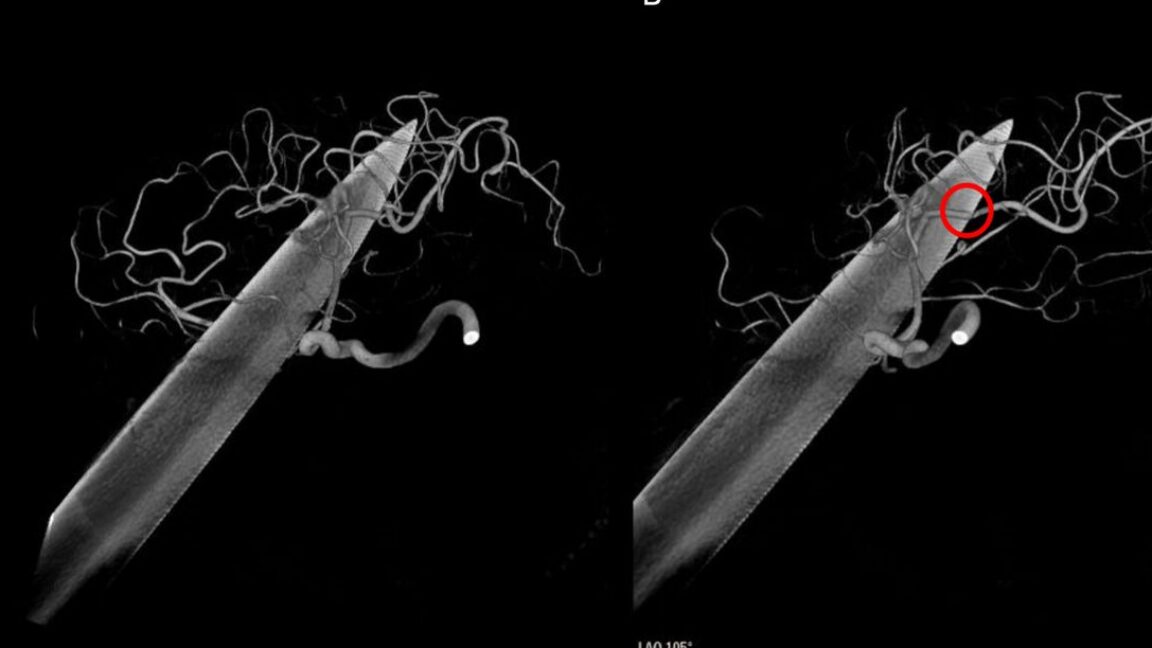
A man survived a rare low-velocity brain injury after a knife penetrated his eye and skull, according to reporting from Ars Technica. Despite the severity of the trauma, the patient experienced a rapid recovery with nearly all neurological functions intact, highlighting how specific trajectories can bypass critical vascular and cortical structures even in devastating accidents.
Context from Industry Pulse
The medical field frequently categorizes intracranial injuries by the velocity of the mechanism. While ballistic trauma is more prevalent in emergency settings, low-velocity penetrations from tools or blades present unique challenges regarding infection and vascular management. This report follows other significant health developments documented by Ars Technica, including a milestone measles death in Wisconsin, the first in over three decades. Within the broader technology and science landscape, the recovery of neurological function after severe trauma remains a critical area of study, echoing historical precedents like the Phineas Gage case where patients survived massive structural damage to the frontal lobe without losing basic motor or linguistic capabilities.
Medical practitioners recently detailed a rare recovery involving a patient who sustained a knife wound through his eye and deep into his brain tissue. As Ars Technica reports, the injury belonged to a category of low-velocity penetrating brain traumas, which are statistically less common than high-velocity ballistic injuries but often result in high rates of mortality or permanent disability. Doctors monitored the patient in intensive care following the removal of the object.
Post-operative imaging revealed that while the knife left a surgical tract containing air, minor bleeding, and swelling, the damage was localized. According to Ars Technica, the patient briefly experienced weakness on the right side of his body due to swelling near the left internal capsule, but this symptom resolved within forty-eight hours. The medical team observed no signs of infection, seizures, or long-term coordination deficits during the recovery period.
The case draws comparisons to historical neurological events where significant frontal lobe penetration did not result in expected cognitive or motor failure. Ars Technica notes that the man maintained his language functions and general movement capabilities. His discharge from the hospital was followed by ongoing psychiatric and ophthalmic care, though the specific circumstances leading to the injury remain undetermined by the attending physicians.
This incident reinforces the medical understanding that survival in penetrating head trauma depends heavily on the precise path of the foreign object. By avoiding major vascular structures and primary cortical regions, the patient avoided the typical complications associated with such wounds, such as meningitis or cerebrospinal fluid leaks. The successful outcome serves as a contemporary parallel to famous historical instances of survived intracranial trauma.
The Industry Pulse Bottom Line
This recovery demonstrates that the survivability of penetrating brain trauma is dictated by the object's specific trajectory past vital structures rather than the perceived external severity of the initial wound.