
Senate Democrats Oppose GOP Effort to Secure Bipartisan Majority at FCC
Senate Democrats are challenging a Republican effort to confirm Danielle Thumann Severs to the Federal Communications Commission during a lame-duck session, according to Ars Technica. The move seeks to secure a 3-1 Republican majority before Democratic control of Congress begins in January 2027, sparking concerns over the agency's future independence and its oversight of media broadcasters.
Context from Industry Pulse
The push to confirm Danielle Thumann Severs highlights a shift away from the traditional bipartisan pairing of FCC commissioners. Historically, the agency maintains a three to two split to ensure representation from both parties. Ars Technica indicates that the current vacancy gives Republicans an opening to expand their influence before a change in Congressional leadership. This maneuver is complicated by Chairman Carr's recent regulatory targets, including the E-Rate program and specific broadcast media outlets. By attempting to secure a majority now, Republicans aim to solidify their policy agenda despite the looming threat of frequent Democratic-led oversight hearings and subpoenas scheduled to begin once the new Congress is seated in 2027.
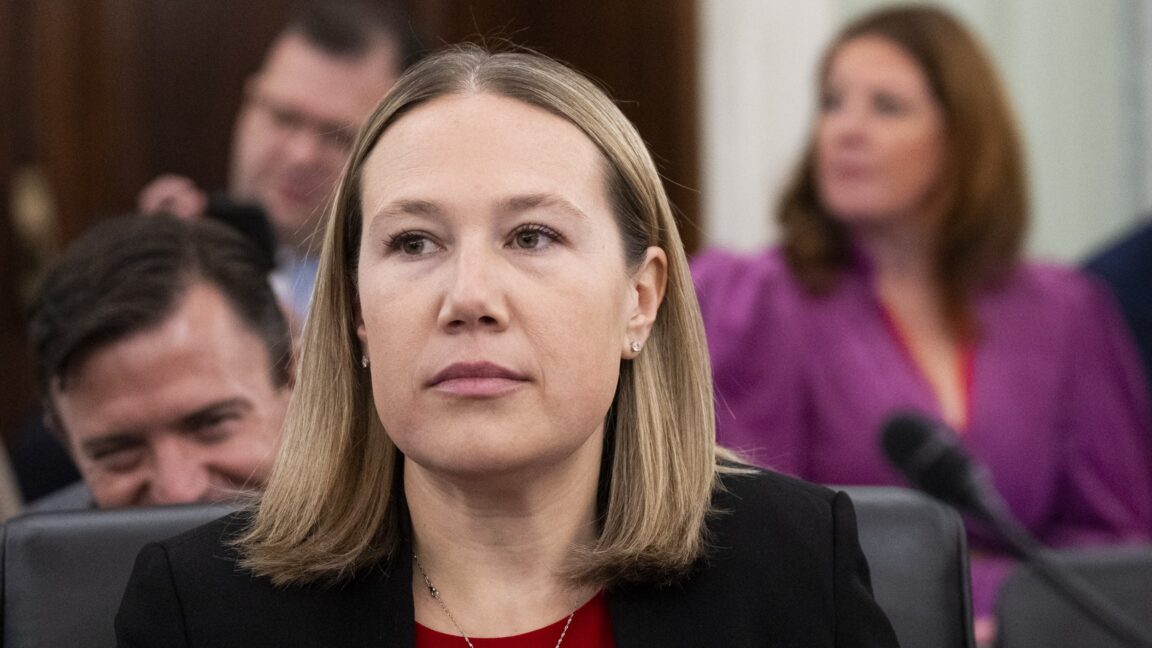
Senate Commerce Committee Republicans are attempting to fast-track the confirmation of Danielle Thumann Severs, an attorney currently serving as senior counsel to FCC Chairman Brendan Carr. According to Ars Technica, Committee Chairman Ted Cruz intends to finalize her appointment before the current Republican Senate majority concludes. This move is controversial because it lacks the traditional pairing of a Democratic nominee, potentially creating an unusual three to one partisan advantage on the commission.
During a recent nomination hearing, Democratic senators questioned the nominee regarding her stance on various regulatory actions. Ars Technica reports that lawmakers focused on Chairman Carr's public criticisms of television broadcasters and his proposals to either scale back or eliminate the two billion dollar annual E-Rate program. This program is currently used to provide internet connectivity for libraries and students across the country. Thumann Severs declined to specify any policy disagreements with her current boss, citing the need to avoid prejudging open proceedings.
Senator Ben Ray Luján signaled that the upcoming Democratic majority in both chambers of Congress will significantly increase oversight of the commission. As Ars Technica reports, Luján indicated that Chairman Carr should expect frequent calls to testify before House and Senate committees starting next year. The senator suggested that the use of subpoena power would be utilized to investigate what he characterized as administrative cover-ups and regulatory overreach within the agency.
Further concerns were raised regarding the long-term stability of the commission's quorum. While current law prevents a single party from holding all seats, Senator John Hickenlooper warned that the seating of a third Republican could lead to the removal of the lone remaining Democrat, Anna Gomez. According to Ars Technica, such a scenario would leave the FCC without any Democratic representation, departing from decades of bipartisan precedent intended to prevent large-scale media consolidation and protect a diverse press.
The Industry Pulse Bottom Line
The FCC faces a period of intense volatility as a lame-duck confirmation battle sets the stage for aggressive Democratic oversight and potential restructuring of the nation’s telecommunications regulator.